Els: MBN360 World
Global displacement has reached unprecedented levels, with nearly 130 million people worldwide either forcibly displaced or stateless by the end of 2025, highlighting the growing gap between rising humanitarian needs and the international community’s ability to address the root causes of conflict, persecution and instability.
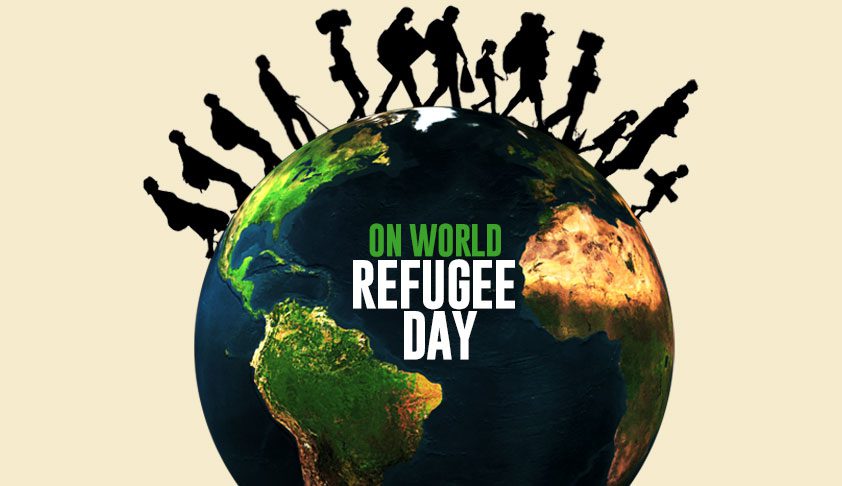
As the world marks World Refugee Day, new figures released by the United Nations Refugee Agency (UNHCR) reveal the scale of a crisis that continues to deepen despite decades of humanitarian interventions, refugee protection frameworks and international assistance programmes.
According to UNHCR, a total of 129.4 million people were either displaced from their homes or living without nationality at the end of 2025. The figure includes 41.6 million refugees who have crossed international borders, nine million asylum seekers awaiting decisions on their protection claims, and 68.7 million internally displaced persons forced to flee within their own countries.
The numbers translate into a stark reality: one in every 70 people on Earth has been uprooted from their home. Among them are nearly 45 million children under the age of 18, representing some of the most vulnerable victims of conflict, violence, persecution and humanitarian emergencies.
ADVERTISEMENT
The latest figures arrive at a time when humanitarian agencies are facing increasing financial constraints. UNHCR’s expenditure fell to $3.83 billion in 2025, a decline of 22 percent compared with the previous year, highlighting widening funding gaps even as displacement continues to climb.
The growing disparity between rising needs and shrinking resources has prompted renewed debate over whether the global response to displacement is addressing the causes of forced migration or merely managing its consequences.
While humanitarian organisations have significantly improved their capacity to respond to refugee emergencies over recent decades, the number of people forced from their homes has continued to rise.
In many of the world’s major crises, humanitarian assistance has become a lifeline for millions but has done little to resolve the conflicts and conditions driving displacement.
The situation in Gaza remains one of the most visible examples. An estimated 1.9 million Palestinians remain displaced, many living in overcrowded temporary shelters and tent camps. International efforts have largely focused on delivering food, medical supplies and emergency relief, while attempts to secure a lasting political settlement have repeatedly stalled.
Sudan presents a similarly troubling picture. Since conflict erupted in 2023, more than 11.5 million people have been displaced, creating one of the largest humanitarian crises in the world. Yet despite the scale of suffering, the crisis has often struggled to attract sustained international attention comparable to other global conflicts.
Elsewhere, prolonged insecurity in the Democratic Republic of the Congo, Somalia and across the Sahel region continues to generate fresh waves of displacement. Armed violence, food insecurity, climate shocks and disease outbreaks have combined to create complex humanitarian emergencies that are increasingly difficult to resolve.
These overlapping crises demonstrate a fundamental shift in the nature of global displacement.
Read also:
- Tarkwa MP Pushes Multi-Billion-Dollar Manganese Refinery at Nsuta
- Burnham Sworn In as Makerfield MP as Starmer Resigns
- Ghana Records Africa’s Sharpest Policy Rate Reduction
- Corrupt citizens are termites eating foundations of development – Togbe Afede XIV
- 2026 World Cup: Decision on Ati Zigi to be made tomorrow – Carlos Queiroz
UN Calls for New Approach as Millions Remain Trapped in Long-Term Displacement
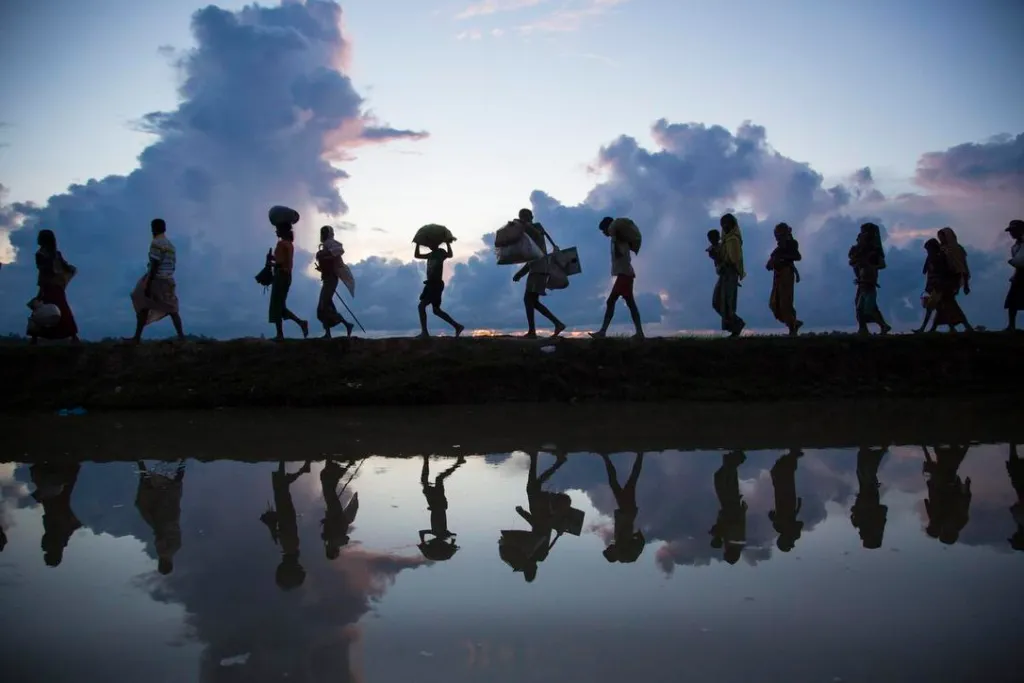
As global displacement reaches record levels, UN officials and humanitarian experts are increasingly advocating for a shift from managing refugee crises to preventing them and creating pathways toward durable solutions.
UN High Commissioner for Refugees Barham Salih used this year’s World Refugee Day to highlight both the challenges facing refugees and the contributions they make to host communities around the world.
He emphasized that refugees are not defined solely by their displacement, but by the roles they play as workers, students, entrepreneurs, artists, neighbours and community leaders. “Given the opportunity, they rebuild their lives and help strengthen the societies around them,” he added.
Salih also warned that millions of refugees remain trapped in situations of prolonged displacement, relying heavily on humanitarian assistance that is becoming increasingly difficult to sustain.
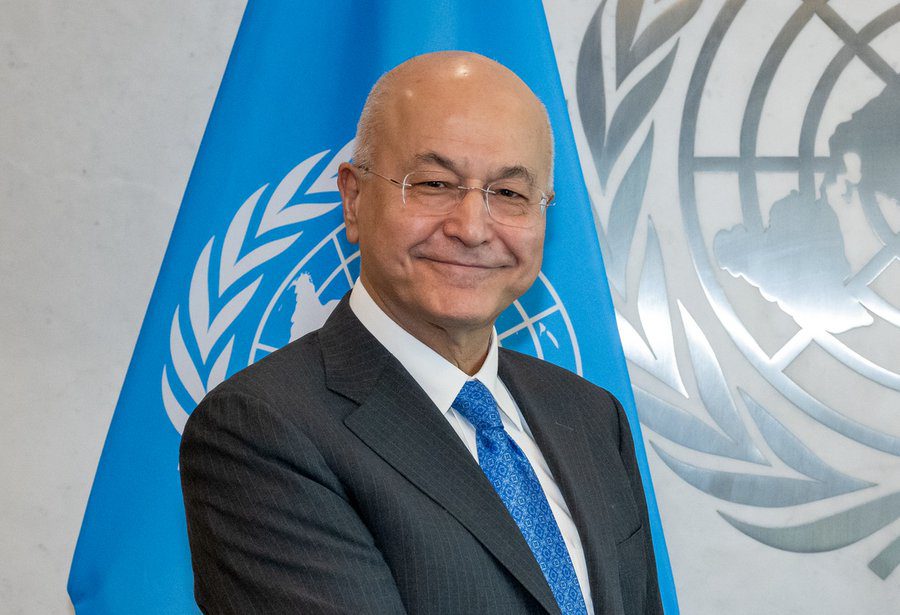
“Fleeing home to seek safety is one of the hardest choices anyone can make. I know that from personal experience. While a person may, for a time, be defined as a refugee, becoming a refugee should not define a person’s life.” Barham Salih
According to UNHCR, many refugees spend years or even decades living in camps or temporary settlements with limited access to employment opportunities, education and long-term stability.
UN High Commissioner for Refugees noted that this reality has prompted the agency to pursue a new goal aimed at reducing prolonged displacement.
“Being a refugee is meant to be a temporary condition, not a lifelong fate. That is why I have set out an ambitious goal: to cut by half, within ten years, the number of refugees living in protracted displacement and reliant on humanitarian assistance.” Barham Salih
The initiative would focus particularly on low- and middle-income countries, which host the majority of the world’s refugees despite often facing economic and developmental challenges of their own.
Barham Salih added, “achieving this target would vastly improve the lives of millions of people. It is how we can move from merely managing displacement to resolving it,” he said.
The call for action comes as the international community marks the 75th anniversary of the 1951 Refugee Convention, the landmark treaty adopted after the Second World War that established the right of individuals fleeing war, conflict and persecution to seek safety and protection.
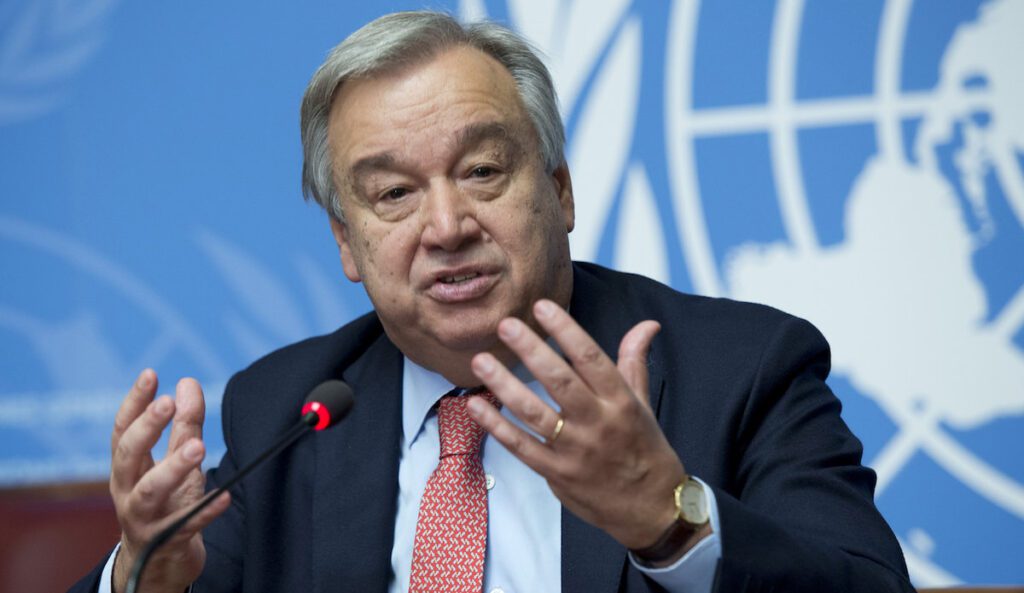
Moreover, UN Secretary-General António Guterres said the occasion serves as a reminder of the importance of renewed unity in a moment when global tensions and wars continue to cause millions of people to flee their homes.
“As divisions deepen across our world, new and protracted conflicts are compelling millions of women, children and men to seek safety far from home.”António Guterres
He stressed that “these turbulent times” require stronger international support for both refugees and the communities that host them.