ELS: MBN360 Politics
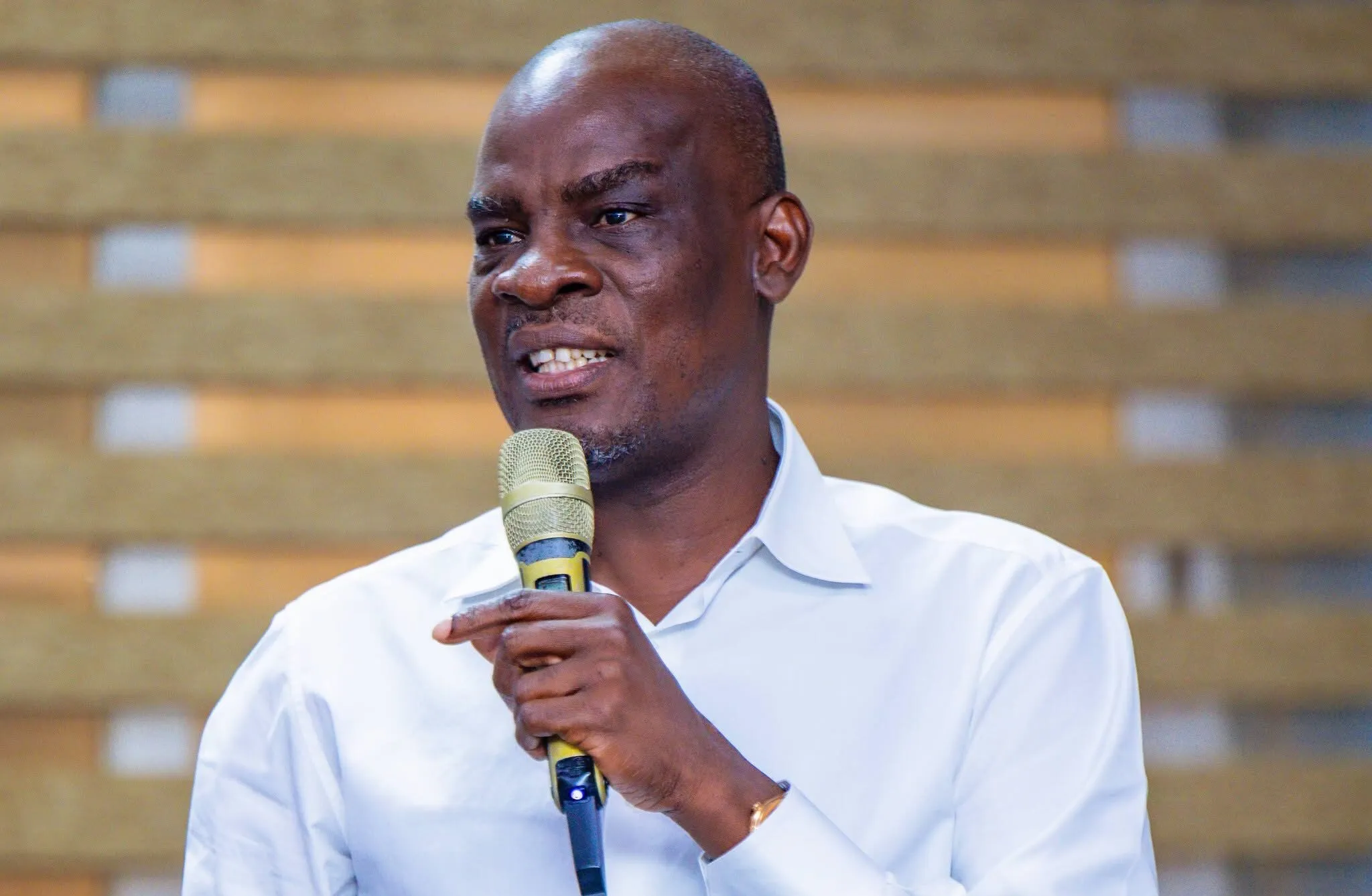
The Member of Parliament for Tamale South in the Northern Region, Haruna Iddrisu, has criticised the current Parliament’s approach to its constitutional oversight role, warning that the legislature is not doing enough to hold the Executive accountable.
Speaking at the Governance Series organised by Three Reports and the Ghana Statistical Service (GSS) on Tuesday, August 4, 2026, the Tamale South lawmaker and Minister for Education expressed concern over what he described as a growing culture of passivity within the House.
He argued that Parliament has increasingly allowed partisan interests to influence its work instead of serving as a strong and independent institution responsible for scrutinising government policies, expenditure and decisions.
Mr. Iddrisu raised concerns about what he described as weak financial oversight, including limited scrutiny of major government loans and tax exemptions, as well as delays in the conduct of public accounts hearings, which he said affect efforts to address waste in public spending.
Read also:
- University Administrators Demand Pay Based on Professional Worth — GAUA General Secretary
- Minister upholds revocation of Adamus Resources mining leases following independent committee review
- AKSA Energy deal: Evidence of conspiracy enough to prosecute implicated officials – Ayikoi Otoo
- Mahama’s Jamaica Visit Cemented Shared History and Trade Future, Bawah Mogtari.
- Ghana needs security experts at Defence Ministry, not civilians – Elvis Darko
He also criticised the influence of party lines during parliamentary debates, arguing that partisan voting often takes precedence over national interest on critical matters.
The former Minority Leader further pointed to weak enforcement mechanisms that make it difficult for Parliament to compel ministers and public officials to fully honour commitments and assurances given to the House.
Mr. Iddrisu stressed that the effectiveness of any democracy depends on a legislature that actively questions, investigates and holds the Executive accountable.
He called for institutional reforms to strengthen Parliament, particularly by empowering backbenchers from both sides of the House to demand transparency and accountability without fear of political repercussions from party leadership.
Some civil society organisations have welcomed the comments, describing them as a timely call for Parliament to reassess and strengthen its oversight responsibilities.