Els: MBN360 Education
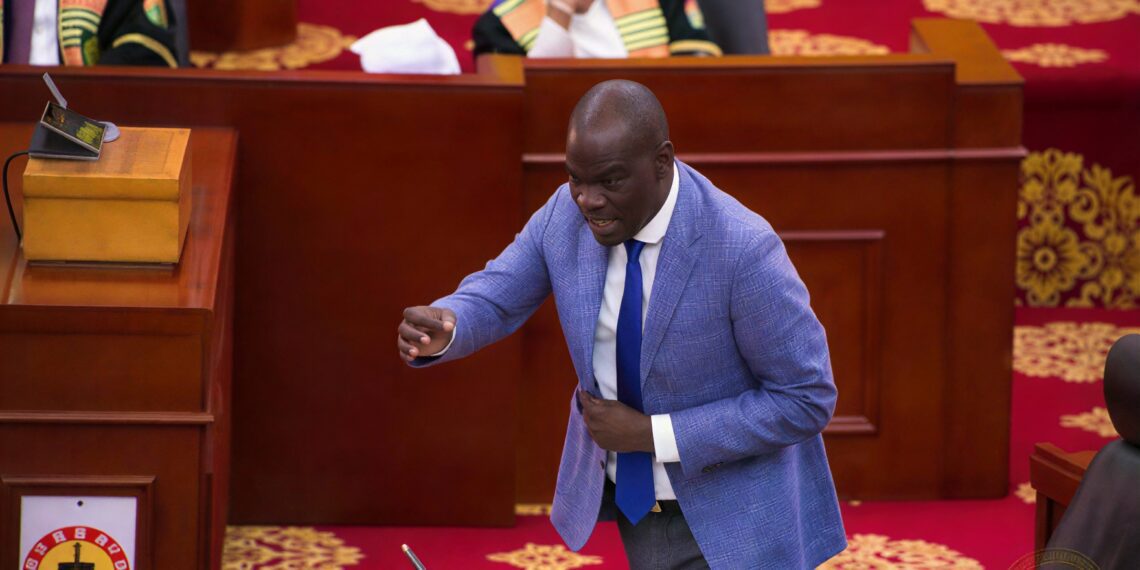
Hon. Haruna Iddrisu, MP for Tamale South, Minister for Education
The Minister of Education, Honourable Haruna Iddrisu has reported to Parliament that 312,448 students have benefited from the No Fee Stress policy under President John Dramani Mahama. T Honourable Iddrisu described the initiative as a major social intervention reshaping access to tertiary education across the country.
Addressing Parliament, the Education Minister explained that the policy targets financial barriers that limit access to higher education. He noted that the programme remains operational nationwide after its launch on 4th July, 2025 at the SDA College of Education in Koforidua.
Additionally, he stated that 152,698 first year students benefited in the 2024 to 2025 academic year at a cost of 399,374,727 Ghana cedis. He further indicated that 159,750 students have benefited in the ongoing 2025 academic year at a cost of 489,456,427.6 Ghana cedis.
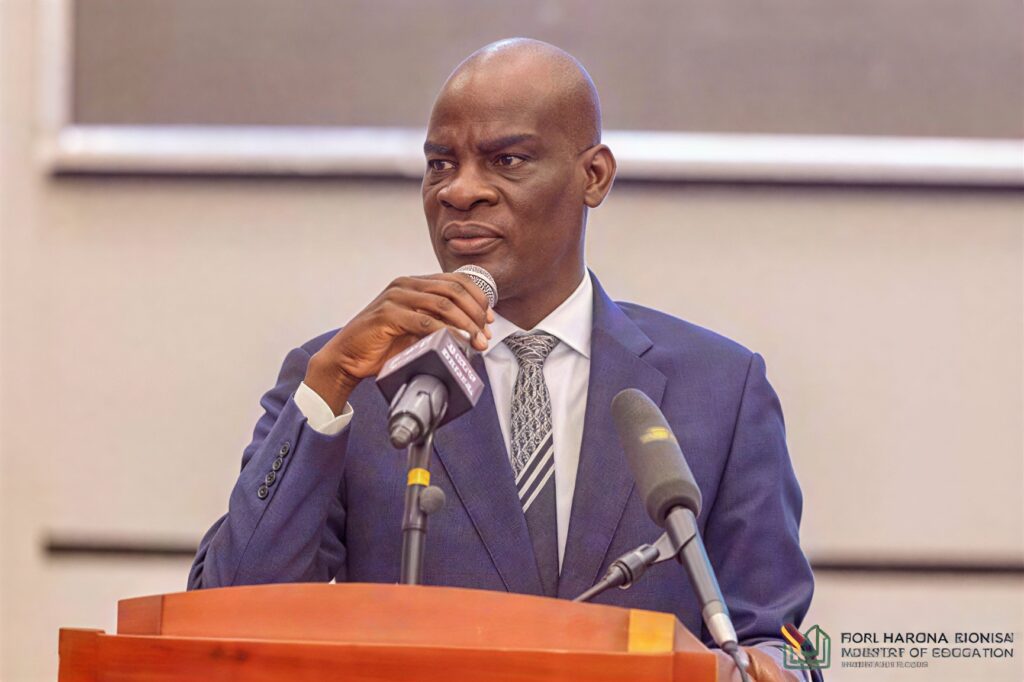
The Minister of Education, Honourable Iddrisu added that total expenditure under the initiative stands at 888,831,000 Ghana cedis. He stressed that government continues to prioritise access, relevance and quality in tertiary education delivery.
Moreover, he disclosed that 1,530 persons with disability received full fee and residential support under the 2025 to 2026 academic year. He explained that this intervention strengthens inclusion within the tertiary education system.
He also noted reforms in legal education financing under the Student Loan Trust Plus scheme. He stated that 1,332 law students received full fee coverage, including 610 students from the Ghana School of Law.
“The No Fee Stress policy relieves families of financial pressure. Students now focus on learning without fear of fees. Government absorbs this burden to secure equal opportunity.”Honourable Haruna Iddrisu
In addition, Honourable Iddrisu indicated that the policy forms part of a wider restructuring of educational financing. He added that government continues to expand support systems for sustainable tertiary access.
Read also:
- Israel and Hezbollah agree to ceasefire after intensified fighting threatens US-Iran talks
- NEDCo unveils digital billing revolution to eliminate delays and improve accuracy
- 2026 World Cup: USA beat Australia to sit on top of Group D
- Historic Accra conference adopts landmark Reparatory Justice roadmap as global support grows
- World Refugee Day: Record Displacement Fuels Call for Lasting Solutions
Getfund Reforms And Double Track Exit Drive Education Transformation
The Minister of Education, Honourable Haruna Iddrisu outlined major reforms targeting secondary education financing and infrastructure development. The Minister of Education, Honourable Iddrisu focused on the Free Senior High School programme and the restructuring of GETFund.
He explained that the Free SHS policy expanded access to secondary education under the previous administration led by Nana Addo Dankwa Akufo Addo. He noted that the current government continues to strengthen the policy through funding reforms.
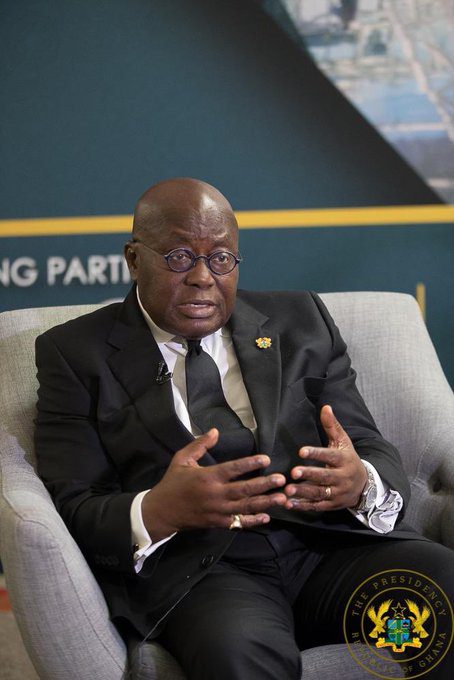
Additionally, he stated that the uncaping of GETFund is a key policy shift under President John Dramani Mahama. He indicated that the move allows resources to support feeding and reduce academic disruptions.
Moreover, he stressed that no shortage of food has been recorded in senior high schools due to the intervention. He explained that attention now shifts toward infrastructure development to match rising enrolment.
The Education Minister added that double track education created pressure on contact hours and academic scheduling. He noted that government engagement with the World Bank seeks to phase out the system through infrastructure expansion.
“Double track reduces learning time for students. Infrastructure expansion and adequate resources remain essential to restore normal academic calendars. Government commits to correcting these gaps.”Honourable Haruna Iddrisu
Furthermore, Honourable Iddrisu highlighted that classrooms, dormitories and laboratories remain key infrastructure needs. He indicated that many schools continue to struggle with overcrowding due to rising student numbers.
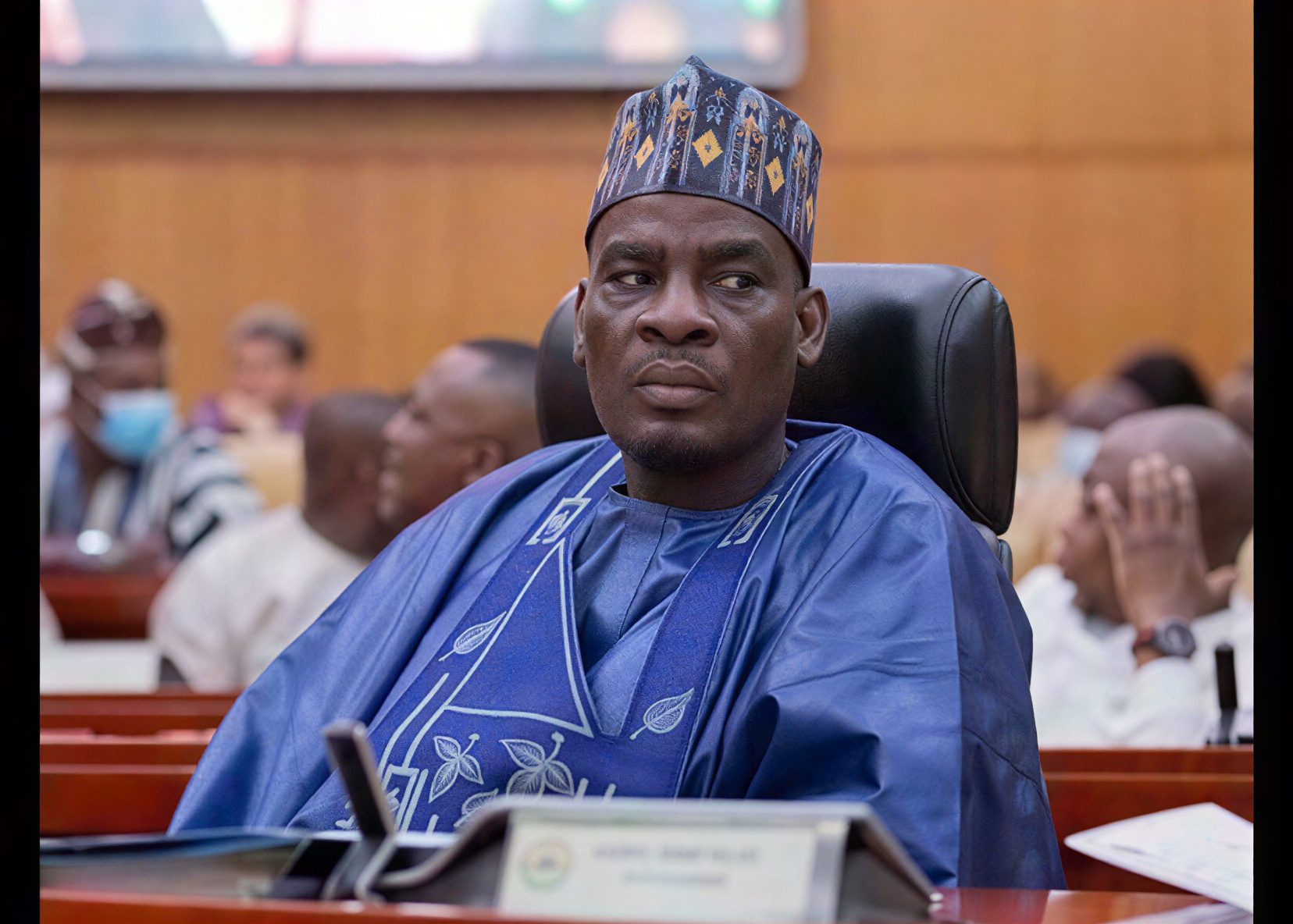
He added that government will invest 2.5 billion Ghana cedis under the Star J project between now and 2028. He explained that the investment, supported by the World Bank, targets secondary education infrastructure nationwide.
Additionally, he noted that education financing patterns require recalibration to balance feeding and infrastructure needs. He stressed that Parliament’s review of GETFund remains central to achieving this balance.
Subsequently, he indicated that government reforms aim to stabilise academic calendars and improve learning conditions. He added that long term investments will strengthen secondary education delivery across the country.