Els: MBN360 News
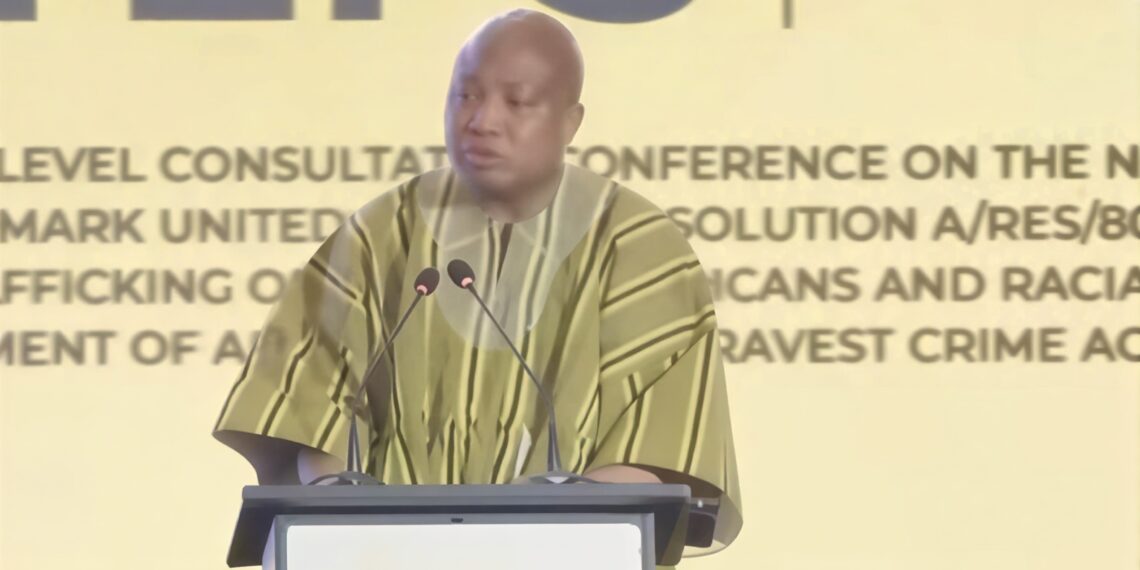
The Minister of Foreign Affairs And Integration, Samuel Okudzeto Ablakwa has emphasised that historic struggles against slavery, colonialism and apartheid pave the way for a forthcoming victory in reparatory justice. The Foreign Affairs Minister delivered the remarks at the High-Level Consultative Conference on the Next Steps Conference for Reparatory Justice, presenting Ghana’s position on the accelerating global dialogue for historical accountability.
Honourable Okudzeto stressed that the gathering convened under the auspices of President John Dramani Mahama marks a defining stage in international engagement on justice and restitution. He noted that the platform brings together global leaders and institutions committed to advancing historical redress within the international system.
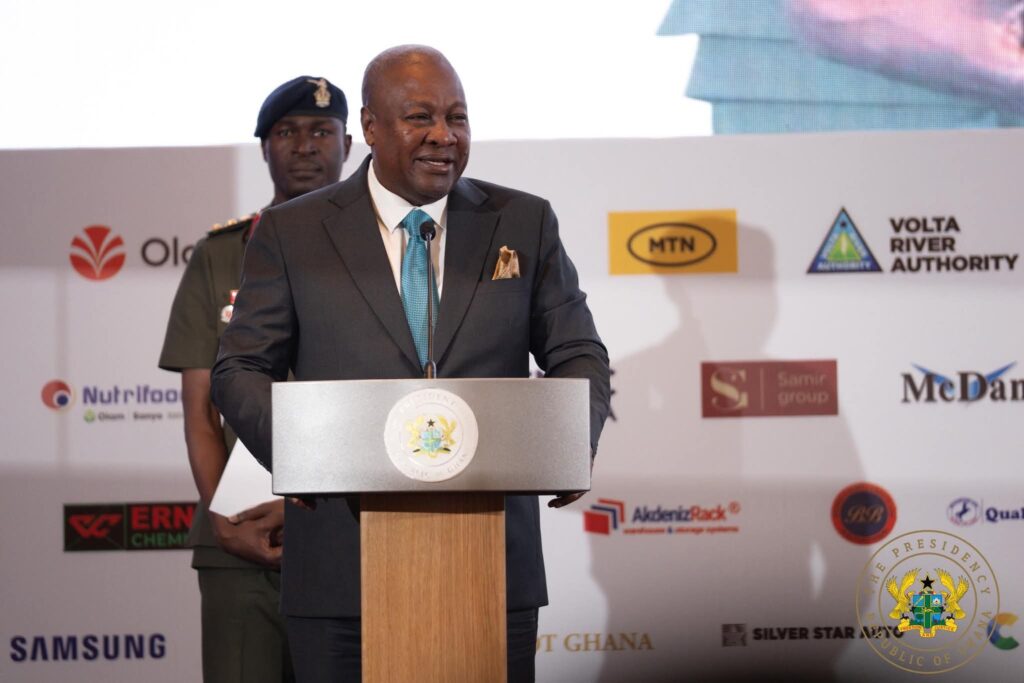
Honourable Okudzeto noted that participation from across Africa, the Caribbean, the Americas, Europe, Asia and other regions signalled expanding consensus on reparatory justice. The Foreign Affairs Minister stated that the diversity of representation reflected a shared recognition of historical truth and collective responsibility among nations. Additionally, he stressed that the scale of engagement demonstrated renewed global determination to address unresolved historical injustices.
The Minister referenced symbolic historical milestones linked to 18th June, 1824 and 19th June 1865, describing them as significant markers in the global journey against slavery. He indicated that these dates serve as reminders of progress achieved and the unfinished responsibility that continues to influence international discourse.
In welcoming participants, Honourable Okudzeto expressed appreciation on behalf of the government and people of Ghana for the presence of heads of state, foreign ministers, scholars and civil society actors. He emphasised that their engagement strengthens the legitimacy and urgency of ongoing discussions on reparatory justice.
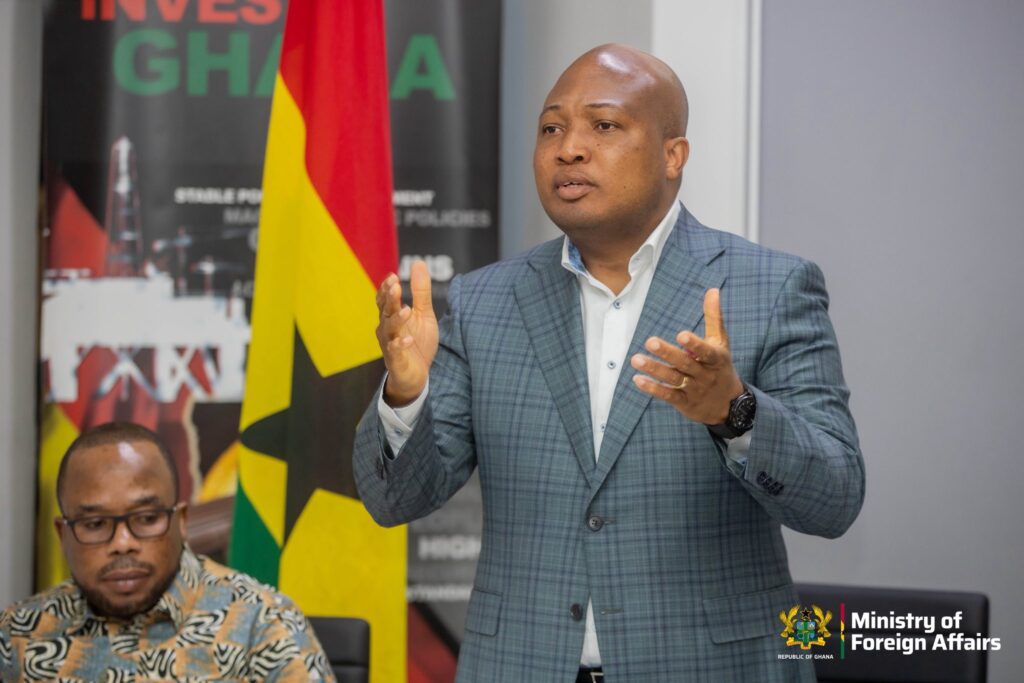
The Foreign Affairs Minister remarked that the conference represents more than a diplomatic gathering as it signals a renewed era of global reflection and policy direction. He further noted that the shared participation of global actors reinforces confidence in a coordinated pathway toward justice.
“The march for reparatory justice has never seen this momentum. This is our moment. Victory is on the horizon. Our ancestors and posterity will be proud of our collective resolve. We have won many battles and we move with confidence toward the next.”Honourable Okudzeto Ablakwa
Moreover, he highlighted that the Transatlantic Slave Trade remains recognised as one of the gravest crimes against humanity within contemporary international discourse. The Foreign Affairs Minister emphasised that global unity continues to strengthen efforts aimed at acknowledgment, redress and reconciliation.
Read also:
- Israel and Hezbollah agree to ceasefire after intensified fighting threatens US-Iran talks
- NEDCo unveils digital billing revolution to eliminate delays and improve accuracy
- 2026 World Cup: USA beat Australia to sit on top of Group D
- Historic Accra conference adopts landmark Reparatory Justice roadmap as global support grows
- World Refugee Day: Record Displacement Fuels Call for Lasting Solutions
UN Resolution Milestone Strengthens Global Accountability Drive
The Foreign Affairs Minister, Samuel Okudzeto Ablakwa, has underscored the growing international impact of UN Resolution A/RES/80/250, describing it as a defining milestone in the evolution of reparatory justice. He indicated that the resolution, supported by 123 member states, marks a significant shift in global recognition of historical injustice.
He explained that the adoption of the resolution reflects broad consensus among nations on the need to formally acknowledge the Transatlantic Slave Trade as a crime against humanity. Additionally, he observed that the development has elevated reparatory justice into mainstream international policy discussions.
The Minister linked the resolution to increased engagement among governments, scholars, legal experts and civil society organisations across continents. He stated that these engagements are shaping practical pathways for restitution, reconciliation and institutional reform.
Embedded within his remarks was recognition of the leadership role played by President John Dramani Mahama in mobilising international support for the resolution. He credited coordinated diplomatic efforts and sustained advocacy for achieving the landmark outcome at the United Nations.
Honourable Okudzeto also referenced cultural and historical symbolism associated with Ghana’s identity, noting the enduring influence of Osagyefo Dr. Kwame Nkrumah and Dr. Marcus Garvey in shaping the Black Star philosophy. He added that the presence of Dr. Julius Garvey at the conference reinforced the historical continuity of that legacy.
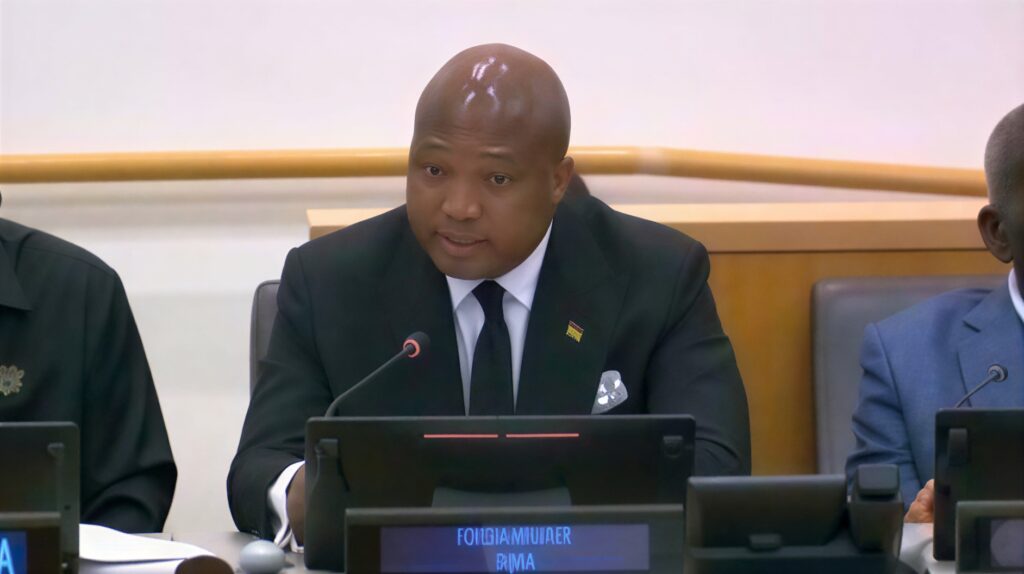
The Foreign Affairs Minister noted that international acknowledgements of historical wrongdoing by global institutions including the Catholic Church and the Church of Scotland. He stated that such apologies represent meaningful steps within broader reconciliation efforts.
“History is being confronted with honesty across institutions and nations. Recognition of past wrongs creates space for healing. Healing must be accompanied by responsibility and meaningful action.”Honourable Okudzeto Ablakwa
Moreover, he highlighted remarks from President Emmanuel Macron regarding France’s engagement with historical accountability, noting that such positions contribute to strengthening international dialogue. He indicated that increasing openness among states demonstrates that reparatory justice has become a central issue in global governance.
The Minister stressed that the momentum generated since the UN resolution continues to expand across diplomatic and academic platforms. He added that the next phase of engagement will focus on consolidating cooperation and advancing structured mechanisms for redress within the international system.