ELS: MBN360 NEWS
The Progressive Alliance for Ghana (PAG) has called for renewed national efforts towards economic self-reliance, industrialisation and greater citizen ownership of Ghana’s productive economy.
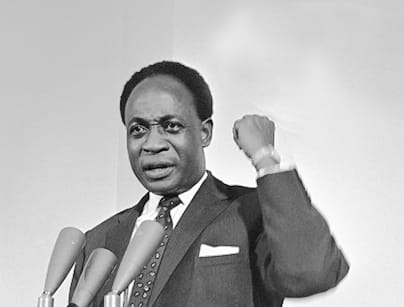
The call forms part of PAG’s commemoration of the 117th birth anniversary of Ghana’s first Prime Minister and President, Osagyefo Dr. Kwame Nkrumah.
In a statement issued by the party’s Flagbearer, Apostle Dr. John Enyonam Kpikpi, PAG said commemorating Nkrumah should go beyond ceremonies and speeches and instead provoke reflection on the kind of Ghana being built for future generations.
According to PAG, Nkrumah recognised that political independence would have limited meaning without economic independence, and that Ghana needed to build productive capacity, educate its citizens, industrialise and use its natural resources to improve living standards.
Youth employment and enterprise
The party said Ghana must rethink its approach to education and skills development to better prepare young people for the changing world of work.
It called for greater emphasis on technical and vocational education, digital skills, entrepreneurship, apprenticeships, agriculture, manufacturing, mining services and the emerging green-energy economy.
PAG said young Ghanaians should be equipped not only to seek formal employment but also to create and manage productive enterprises.
“A young Ghanaian should graduate not only asking, ‘Where can I find a job?’ but also asking, ‘What can I produce, what problem can I solve, and what enterprise can I build?’” the statement said.
PAG advocates cooperative ownership
The party also identified cooperatives as a potential vehicle for expanding economic ownership among farmers, small-scale miners, artisans and young entrepreneurs.
It said well-organised and accountable cooperatives could improve access to finance, technology, markets, machinery and processing facilities.
In agriculture, PAG said cooperative structures could help farmers aggregate production, access inputs and equipment, improve storage and processing, and secure better markets.
It also argued that responsible cooperative models in the mining sector could support local participation while improving safety, environmental standards and the economic benefits accruing to mining communities.
Call for value addition
Read also:
- New York: “Accra Reset”: President Mahama leads global reset dialogue at UNGA
- 30% transport fare hike still on the table, talks resume Tuesday – GPRTU
- Kweku Smoke Makes History Dominating Top Three Ghana Music Charts
- Mahama Marks Founder’s Day, Urges Unity To Realise Nkrumah’s Vision
- Ghana’s Declining Treasury Yields Put Banks Under Pressure
PAG further called for a shift from the export of raw materials towards greater domestic processing and value addition.
The party cited gold, bauxite, manganese, lithium, oil, gas and agricultural commodities as resources that, in its view, should contribute more directly to industrial transformation.
“If we mine lithium, we must think beyond exporting ore. If we produce gold, we must strengthen our refining and downstream industries,” the statement said.
It added that Ghana’s development debate should focus not only on how much the country can extract, but also on how much value it can create from those resources.
Energy security
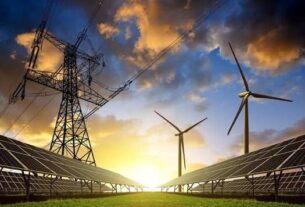
The party also placed reliable and affordable energy at the centre of its proposed development agenda.
PAG said Ghana needed an energy strategy capable of supporting households, agriculture, manufacturing, mining, technology and small businesses, while also increasing investment in renewable energy and energy efficiency.
It said reliable energy was necessary to enable entrepreneurs to operate workshops, farmers to process agricultural produce, factories to operate consistently and digital businesses to compete internationally.
“The unfinished work”
Reflecting on Nkrumah’s legacy, PAG posed a series of questions on Ghana’s development trajectory, including whether the country can produce more than it imports, enable young people to own productive enterprises, allow farmers and miners to capture more value from their labour, and use natural resources to finance industrial development.
The party also questioned whether Ghana can build institutions and systems that serve generations rather than political cycles.
PAG said economic self-reliance, human-capital development, cooperative ownership, responsible resource management, industrialisation and energy security should form part of the foundation for Ghana’s next phase of development.
“The greatest tribute we can pay to Nkrumah is not simply to celebrate his achievements, but to confront the unfinished questions of national development that his generation placed before us,” Apostle Dr. Kpikpi said.
He said Nkrumah’s vision should not remain a historical memory but become a continuing national project.
PAG concluded its message by saluting Osagyefo Dr. Kwame Nkrumah and reaffirming its commitment to what it described as the unfinished work of building a productive, self-reliant and prosperous Ghana.
“Long live Ghana. Long live African unity,” the statement concluded.