ELS: MBN360 NEWS
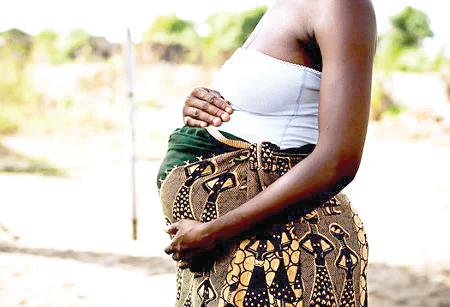
Ghana has recorded more than 53,400 adolescent pregnancies in the first seven months of the year. This is according to data from the Ghana Health Service which also indicates that the cases are more prevalent among girls who are out of school.
The situation is raising concerns among stakeholders who are worried that every pregnancy places a girl’s education and future at risk and leaves them susceptible to child marriages, obstetric fistula and poverty.
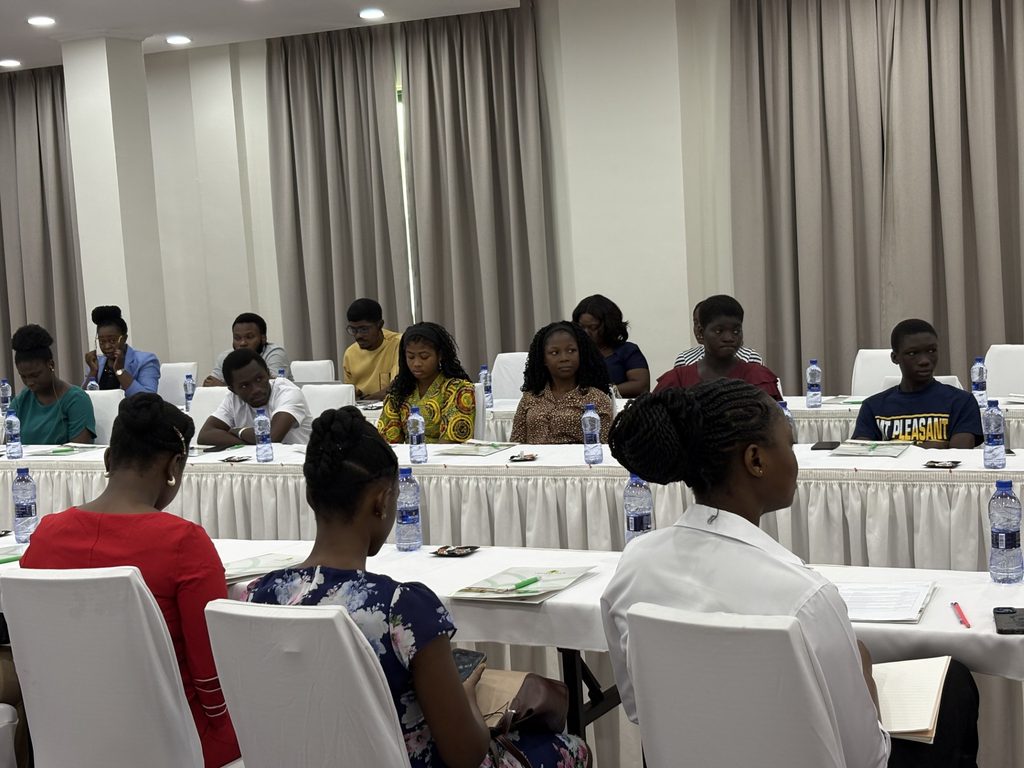
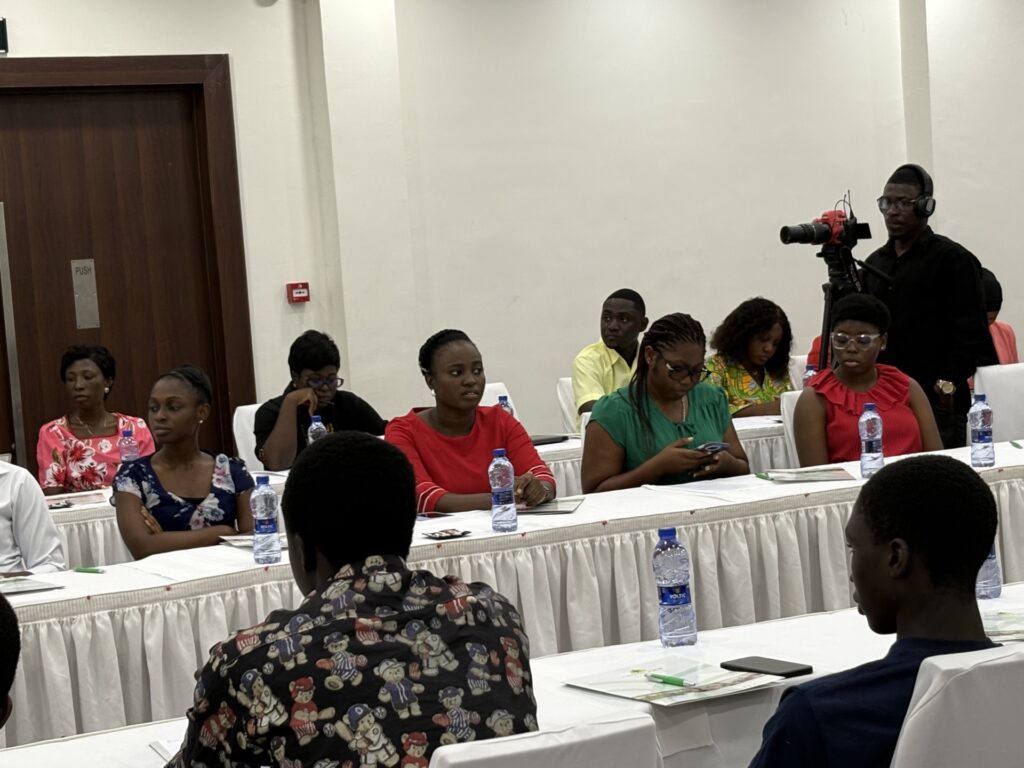
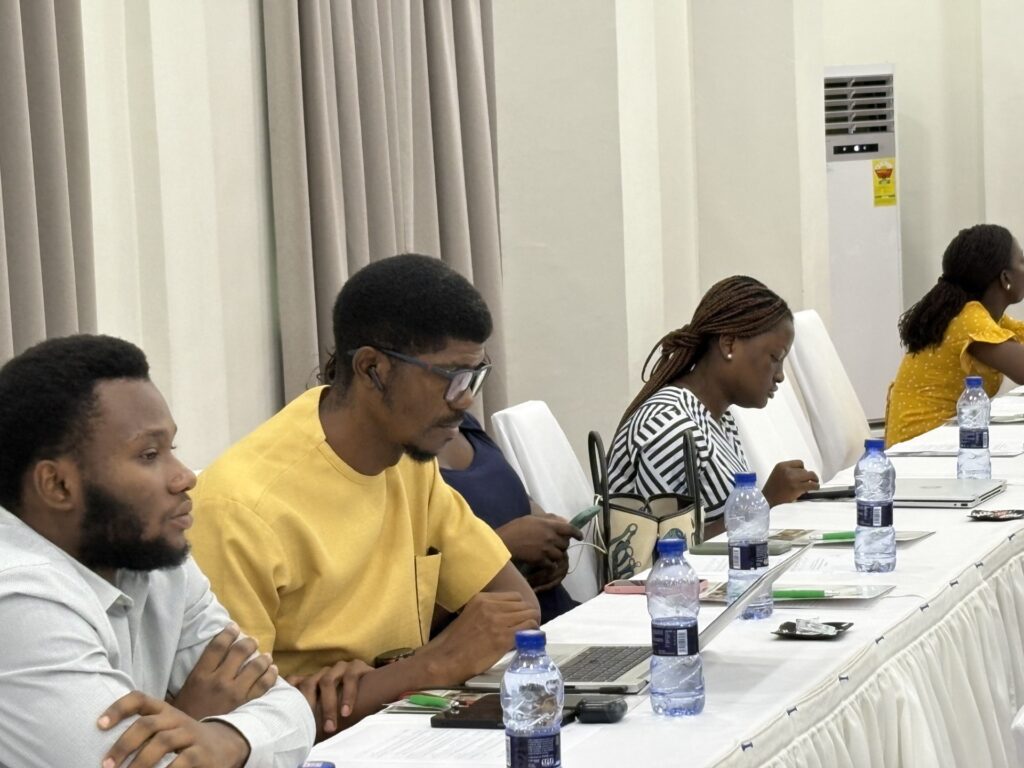
These came to light at a national multistakeholder dialogue on the reduction of teenage pregnancy organized by MSI Ghana.

Behind every figure is a girl whose education, health, and future suddenly narrowed. The data showed that geography intensified the risk with the Savannah Region recording the highest prevalence of nearly 26 percent.
Read also:
- UDS make history as back-to-back African University Football Champions
- There’s Policy Confusion, Minority Demand Apology over Lack of Clear Educational Policy
- Deputy Health Minister Urges Nurses to Turn Research into Action
- Transparency International Ghana calls for stronger laws to regulate political and campaign financing
- President Mahama, IFC Chief Discuss Strategic Partnerships to Strengthen Ghana’s Economy
In some of its districts, the rate among 18 and 19 year-olds reached 230 births per 1,000 young women. While the Greater Accra region is recording the lowest at a current 6 percent, the region’s large population means the absolute numbers remain high.
Adolescent program head at the Ghana Health Service, Sheriffa Mohammed, who expressed worry at the figures said keeping girls in school remains one of the strongest protections available.
Programmes Director at MSI Clara Nyarko indicated that the figures show that teenage pregnancy is not simply a health issue but one that demands coordination, collaboration and accountability to protect the future of girls.
Program Manager of the Alliance for Health Rights Isaac Nyampong called for a change in misconceptions about sexual reproductive health educations to ensure they get the right information to protect themselves.
Stakeholders called for the implementation of measures to ensure that the next set of figures for the rest of the year, contains fewer numbers forced to leave childhood behind.