Els: MBN360 Extractives/Energy
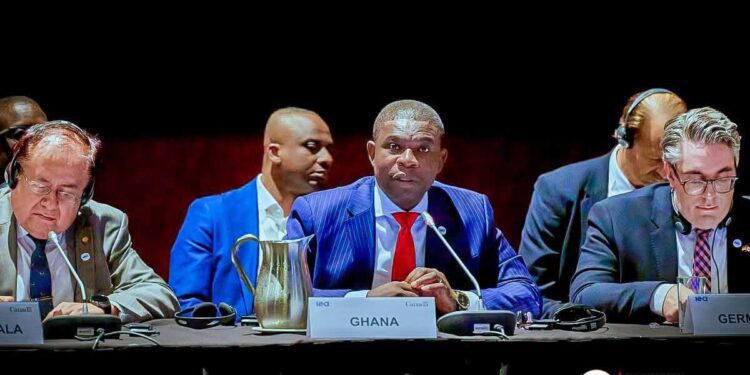
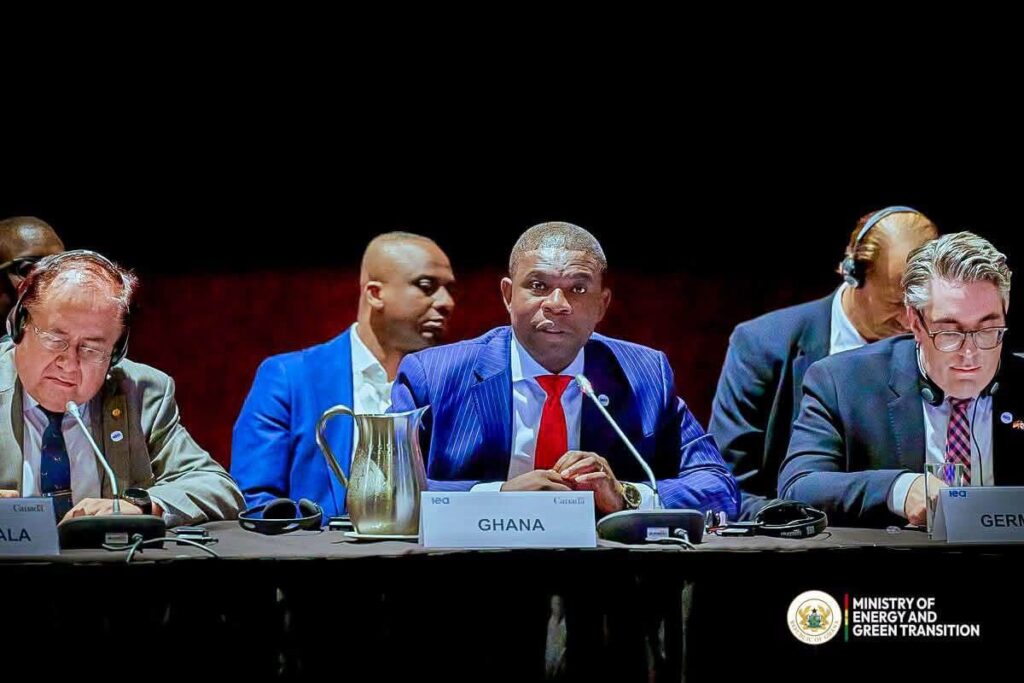
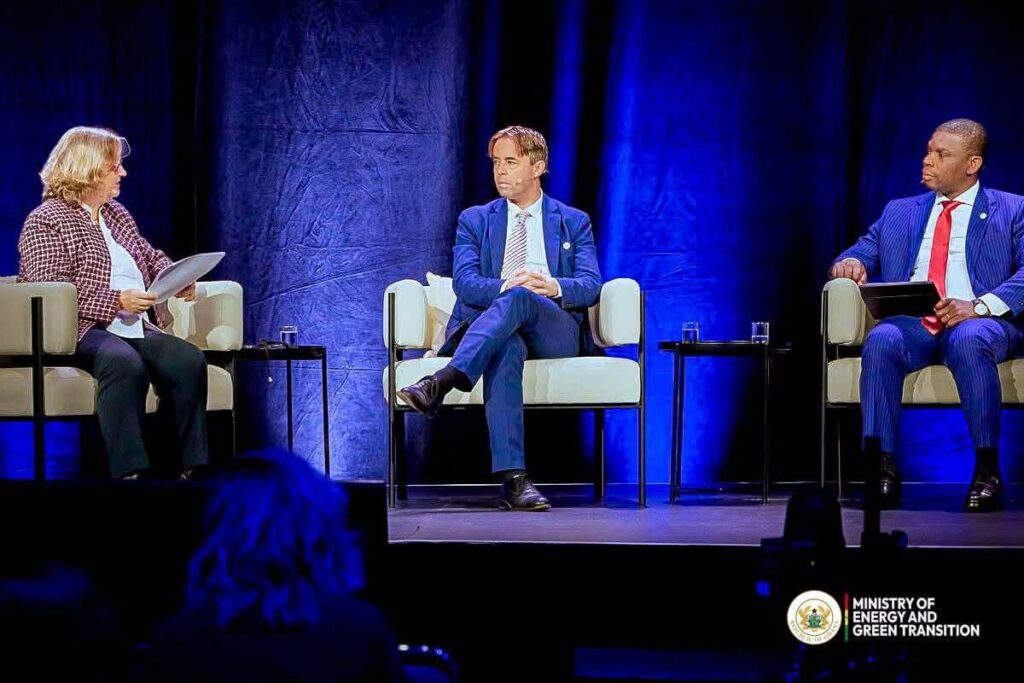
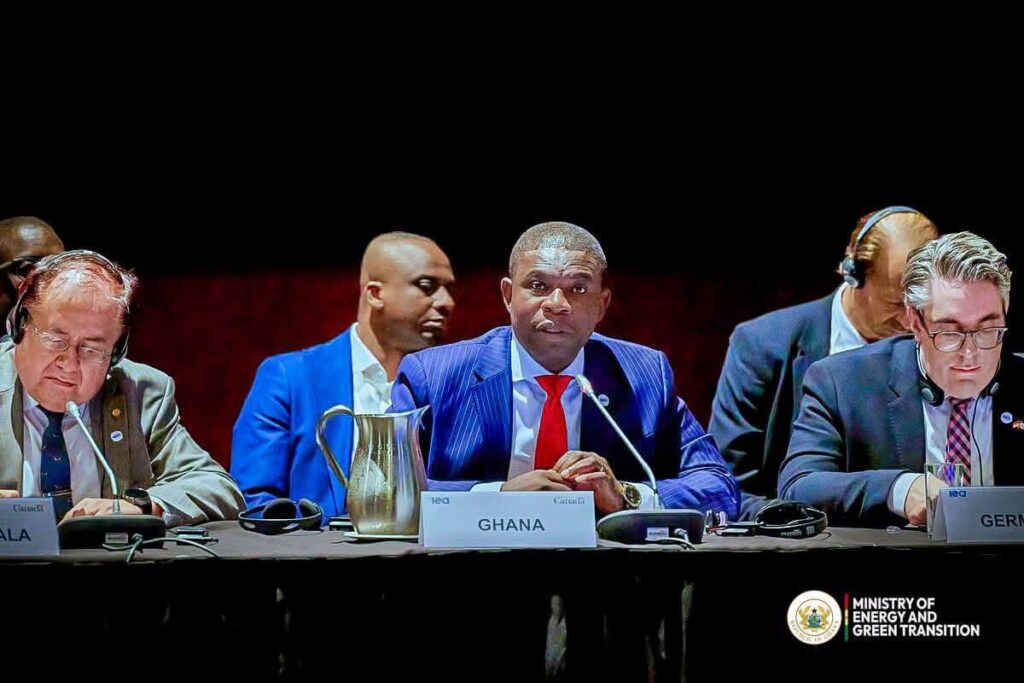
Deputy Minister for Energy and Green Transition, Richard Gyan-Mensah, speaking during the 11th International Energy Agency (IEA) Annual Global Conference on Energy Efficiency held in Montreal, Canada
At a global energy conference in Canada, Ghana outlined how improving efficiency across the power sector could help protect consumers, strengthen energy security and support a more resilient energy transition.
As governments around the world search for ways to cushion households and businesses from volatile energy prices, Ghana is placing greater emphasis on energy efficiency as a long-term strategy for making electricity more affordable while strengthening the country’s energy security.
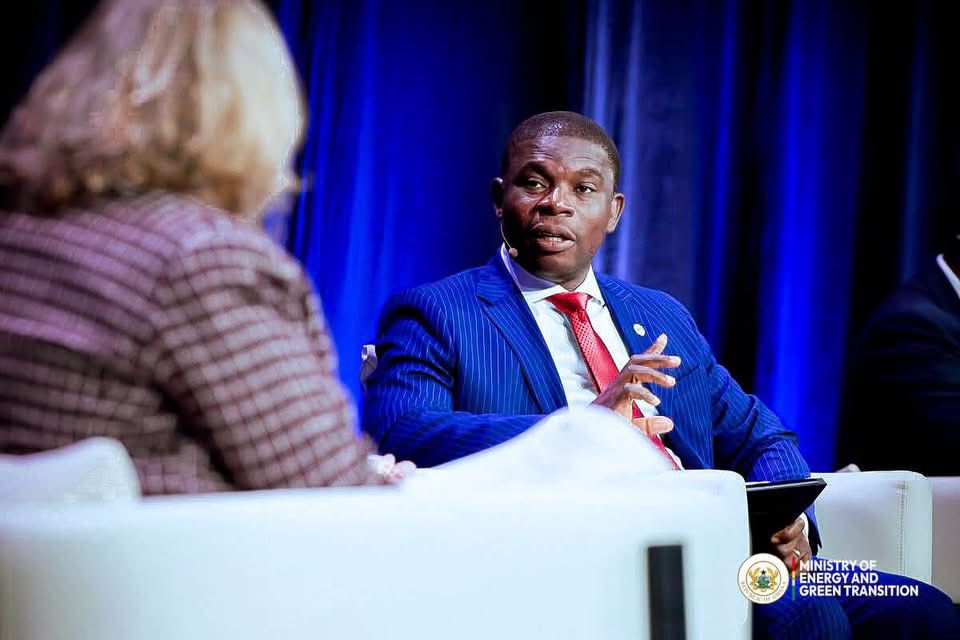
That commitment was reaffirmed by Deputy Minister for Energy and Green Transition, Richard Gyan-Mensah, during the 11th International Energy Agency (IEA) Annual Global Conference on Energy Efficiency held in Montreal, Canada.
The conference, which brought together ministers, policymakers, industry leaders and energy experts, focused on the theme “Sheltering Consumers from Energy Shocks,” reflecting growing global concern over the impact of volatile fuel prices, supply disruptions and rising electricity costs on economies and households.
For Ghana, the discussions come at a time when energy affordability remains a key issue for both consumers and businesses, particularly following recent adjustments to electricity tariffs and ongoing efforts to improve the financial sustainability of the power sector.
“Energy efficiency goes beyond saving energy. Ghana remains committed to building an energy sector that delivers affordability, reliability, and sustainable growth for all”.Richard Gyan-Mensah, Deputy Minister for Energy and Green Transition
Making Energy Efficiency Work for Consumers
Rather than viewing energy efficiency simply as encouraging people to consume less electricity, Ghana is positioning it as a broader strategy to reduce costs across the electricity value chain.
According to Mr. Gyan-Mensah, government policies are increasingly focused on ensuring that electricity is produced, transmitted and consumed more efficiently.
These measures include expanding the use of natural gas as a transition fuel, increasing renewable energy deployment, improving electricity generation, reducing technical and commercial losses within the power distribution network and encouraging the use of energy-efficient appliances.
Read also:
- Nkokɔ Nkitinkiti Initiative Boosts School Feeding Programme – Hon. Eric Opoku
- GAF Begins Three-Week Security Exercise in Nkwanta and Bawku
- Ghana Railway Development Authority Rejects NPP’s ‘Museum Locomotives’ Claim
- Ex-NAFCO Boss’ wife rushes to court, demands husband’s release after dramatic airport arrest
- AETC Pushes Technology-Led Energy Future for Africa
Collectively, these interventions are intended to improve the reliability of electricity supply while helping consumers avoid unnecessary energy costs. For households, greater efficiency can translate into lower electricity consumption and more stable power supply.
For businesses, particularly manufacturers whose production costs are heavily influenced by electricity prices, improvements in system efficiency could help reduce operational costs over the long term.
Why Efficiency Matters Beyond Electricity Bills
Energy experts have increasingly argued that expanding electricity generation alone is no longer enough to guarantee energy security. Equally important is ensuring that the electricity already generated is used efficiently and that losses across transmission and distribution systems are minimised.
Ghana has for years faced challenges associated with technical losses, illegal connections and ageing infrastructure, all of which increase the overall cost of supplying electricity.
Reducing those losses enables utilities to recover more revenue without relying solely on tariff adjustments, while also improving the financial health of the sector.
This has become particularly relevant as government continues implementing reforms aimed at strengthening the country’s power sector and attracting investment into both conventional and renewable energy.
Supporting Ghana’s Energy Transition
The Deputy Minister’s remarks also reinforce Ghana’s broader energy transition agenda.
Although renewable energy continues to receive increasing policy attention, natural gas remains an important component of the country’s transition strategy because it provides reliable electricity generation while producing fewer emissions than many conventional fuels.
At the same time, expanding renewable energy and promoting energy-efficient technologies are expected to gradually reduce dependence on fossil fuels while supporting Ghana’s climate commitments.
Officials have consistently maintained that achieving a successful energy transition requires balancing environmental objectives with affordability, reliability and energy access.
That balance remains particularly important for developing economies where electricity demand continues to grow alongside industrialisation and urbanisation.