

Els: MBN360 Extractives/Energy
Africa’s energy transition should not end with installing more solar panels or expanding electricity access.
It should also create African-owned industries capable of designing, manufacturing and exporting the technologies that will power the continent’s future.
That is the message emerging from a new strategy presented to President John Dramani Mahama by the Africa Energy Technology Centre (AETC), which argues that Africa must move beyond being a market for imported clean energy equipment and instead become a producer of the technologies driving the global energy transition.
The proposal comes at a time when African governments, including Ghana’s, are increasingly linking energy policy with industrialisation, job creation and economic transformation, reflecting a broader shift in thinking about what a just energy transition should mean for developing economies.
From energy access to energy ownership
The proposal was presented during a high-level engagement facilitated by the Minister for Energy and Green Transition, Dr. John Abdulai Jinapor.
Rather than focusing solely on expanding electricity access, the blueprint introduces the idea of energy sovereignty, the ability of African countries not only to harness their energy resources but also to own the technologies, skills, research, intellectual property and manufacturing capacity that underpin the modern energy economy.

The future is not something we wait for. It is an architecture we build deliberately, courageously, and sustainably.Emelia Cedar-Palm Akumah, Founder and President of the Africa Energy Technology Centre
The proposal argues that while Africa possesses abundant renewable energy resources and many of the critical minerals needed for clean energy technologies, much of the value generated from the global transition continues to be captured elsewhere through manufacturing, engineering, research and technology development.
As demand for solar panels, batteries, electric vehicles and smart energy systems continues to grow worldwide, AETC believes Africa should become an active participant in producing those technologies rather than remaining largely dependent on imports.
Young people seen as the continent’s biggest energy resource
Among the flagship initiatives proposed is the Youth Energy Entrepreneurship and Incubation Programme, which seeks to help young Africans establish businesses across the clean energy sector.
The programme would combine technical training with business incubation, mentorship and improved access to finance to support entrepreneurs working in renewable energy, energy services, clean technology and related manufacturing.

The proposal recognises that Africa has one of the world’s youngest populations but continues to face high youth unemployment and limited opportunities in technology-intensive industries.
By linking technical skills with enterprise development, AETC argues that the continent can transform its demographic advantage into an engine for industrial growth, innovation and employment rather than relying primarily on imported expertise.
Technology may become Africa’s next competitive advantage
The Centre also proposed the establishment of an Africa Smart Energy Technology and Innovation Hub, envisioned as a continental platform for research, development and intellectual property creation.
The proposed hub would support African innovation across areas such as battery technologies, energy storage, smart grids, mini-grids, electric mobility, clean cooking technologies, digital energy management systems and energy efficiency.
Read also:
- Afadzinu Warns Premier League Popularity Reveals Ghana Football’s Failing Commercial Foundation
- Ghana’s Fuel Market Faces Fresh Uncertainty as Middle East Tensions Threaten Global Oil Stability
- “I’m still the Black Stars coach” – Carlos Queiroz clarifies future
- Zverev Reaches Wimbledon Final After Seeing off Britain’s Fery
- Contractor for Weija Children’s Hospital Picked Up by EOCO
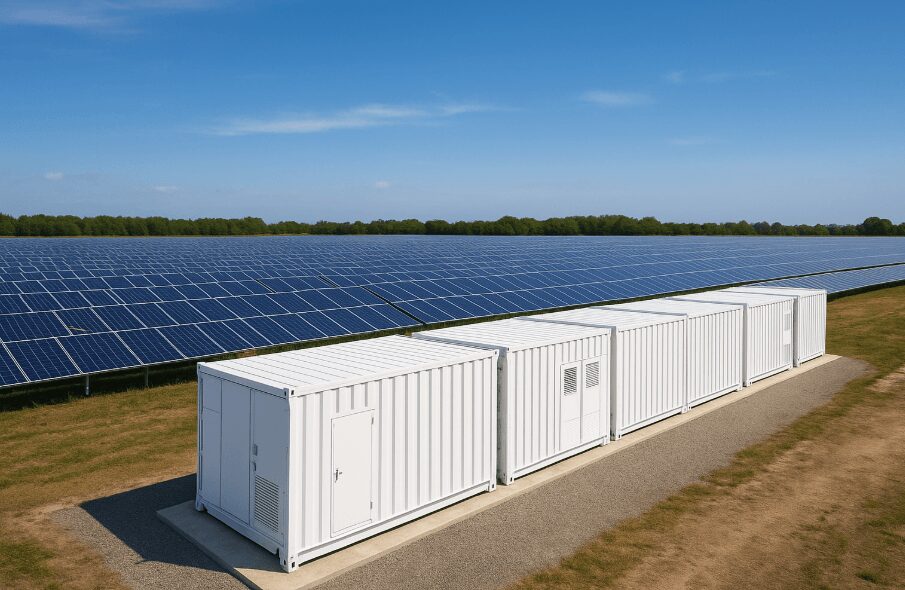
The proposal reflects an emerging debate across Africa’s energy sector.
For many years, discussions centred on increasing electricity generation and expanding access. Increasingly, however, attention is shifting towards who manufactures the technologies, who owns the patents and who captures the economic value created by the global energy transition.
For many policymakers, the transition is no longer viewed simply as an environmental objective but as an industrial opportunity.
Why the conversation matters for Ghana
The proposal aligns closely with Ghana’s recent position at several international energy forums.
At the Africa Energy Technology Conference, the Minister for Energy and Green Transition, Dr. John Abdulai Jinapor, argued that Africa must pursue its energy transition on its own terms, taking into account the continent’s development priorities rather than adopting a one-size-fits-all approach.
More recently, at the International Energy Agency’s Global Conference on Energy Efficiency in Canada, Deputy Minister Richard Gyan-Mensah reiterated Ghana’s commitment to an energy transition that balances affordability, energy security and economic development.

The AETC proposal adds another dimension to that conversation by arguing that long-term energy security should also include technological independence and industrial capability.
If Ghana succeeds in strengthening research institutions, supporting innovation, encouraging local manufacturing and developing specialised technical skills, it could position itself not only as a producer of energy but also as a regional centre for clean energy technology and engineering.
The next phase of Africa’s energy transition
Much of Africa’s recent energy policy has focused on expanding electricity access, improving transmission infrastructure and increasing investment in renewable energy.
Those priorities remain essential.
However, the AETC proposal suggests that the continent’s next challenge will be ensuring that Africans also participate in designing, manufacturing and commercialising the technologies that underpin the global clean energy economy.

For Ghana, this presents an opportunity to align its energy transition with industrial policy, higher-value manufacturing and innovation-led growth.
Whether that vision becomes reality will depend on sustained investment in education, research, technology development and private-sector innovation.
If successful, Africa’s energy transition could become more than an infrastructure programme. It could also become a catalyst for industrial transformation, positioning the continent not only as a consumer of clean energy technologies but as one of their future creators.