Els: MBN360 AGRIBUSINESS
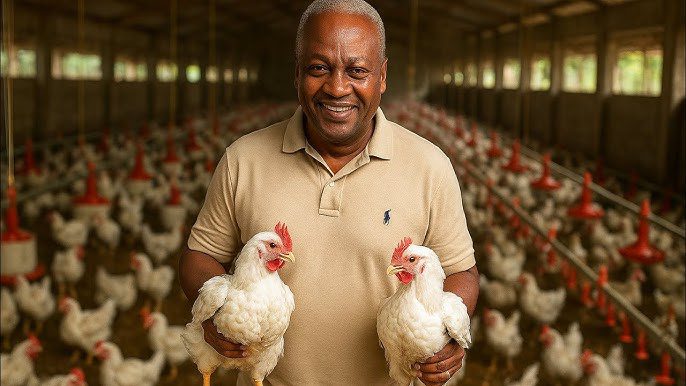
Minister for Food and Agriculture, Hon. Eric Opoku has disclose that schools are central to government’s poultry initiative (Nkokɔ Nkitinkiti), with a presidential directive linking local production to the school feeding programme and a new project set to turn selected schools into poultry farms for both learning and feeding.
Hon. Eric Opoku clarified that Ghana’s schools are emerging as one of the most important pillars of the Nkokɔ Nkitinkiti initiative, pushing back against claims that government’s intervention in the poultry sector is too limited to close the country’s demand-supply gap.
Speaking amid commentary from sections of the media questioning the scale of government’s poultry investment, Hon. Opoku explained that agriculture in Ghana remains a fundamentally private sector led enterprise, and that the initiative’s core objective is to stimulate broader participation, with schools playing a distinctive dual role as both producers and beneficiaries.
A Campaign to Draw in Private Capital
Hon. Eric Opoku noted that the initiative has already recorded notable success in drawing new categories of Ghanaians into poultry farming, citing journalists, churches, schools and market women among those who have taken up the venture since the initiative’s launch.
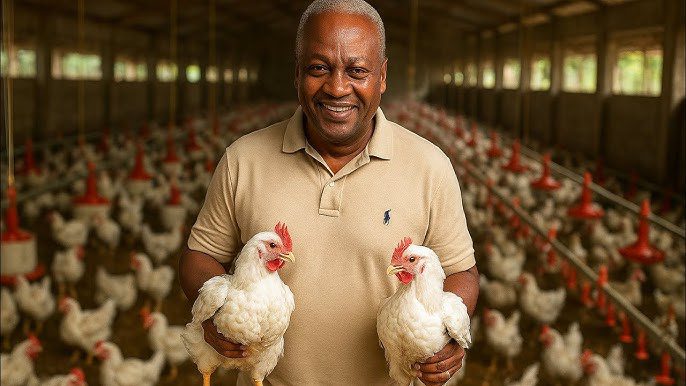
“We are getting the private sector to do the job and inject the funding. That is what this campaign has always been about, not government running poultry farms on its own.”Hon. Eric Opoku, Minister for Food and Agriculture
He projected that, given the pace of uptake, Ghana could edge close to self-sufficiency in poultry production by the end of next year, describing the timeline as realistic if current momentum is sustained.
Kintampo Facility Signals Private Investment Drive
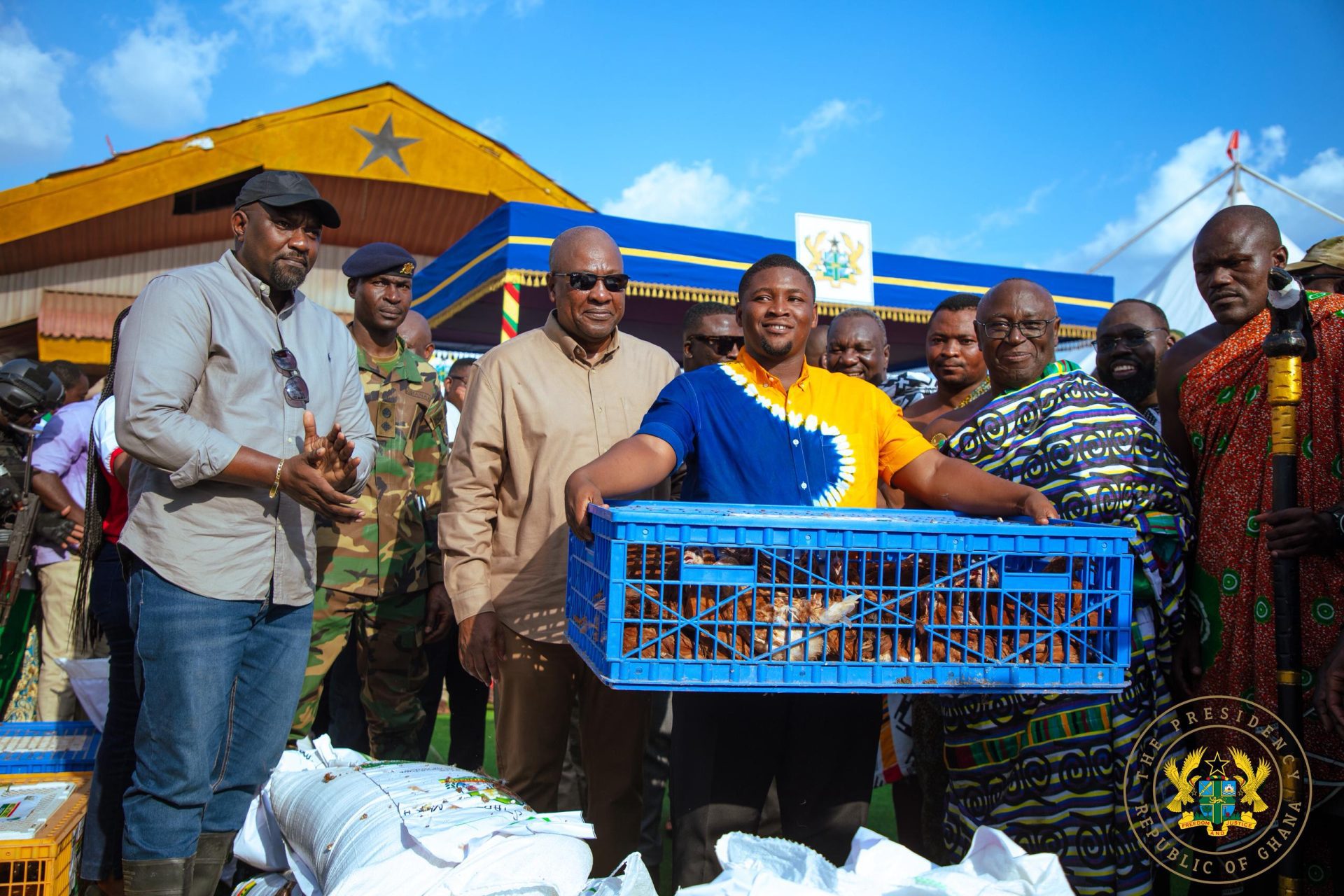
Among the clearest signs of that momentum, according to the Minister, is an agreement between a private investor and traditional authorities in the Kintampo area to establish a fully integrated, modernised poultry production facility.
He disclosed that the investor has already concluded land negotiations with local chiefs and is preparing to move to site, with plans to construct a feed mill, processing factory and supporting infrastructure on the same enclave. Under the arrangement, individual farmers within the area will be supplied with production inputs and guaranteed an offtake agreement once their birds are ready for market.
“Once that buyback arrangement exists, farmers are far more motivated to produce enough to keep the factory running. That is the kind of structure we want to replicate.”Hon. Eric Opoku, Minister for Food and Agriculture
Read also:
- Afadzinu Warns Premier League Popularity Reveals Ghana Football’s Failing Commercial Foundation
- Ghana’s Fuel Market Faces Fresh Uncertainty as Middle East Tensions Threaten Global Oil Stability
- “I’m still the Black Stars coach” – Carlos Queiroz clarifies future
- Zverev Reaches Wimbledon Final After Seeing off Britain’s Fery
- Contractor for Weija Children’s Hospital Picked Up by EOCO
The Minister argued that such arrangements demonstrate the depth of government’s facilitation role, describing the criticism directed at the initiative as a failure to fully grasp how the sector’s private-led structure actually functions.
Presidential Directive Puts Schools at the Centre
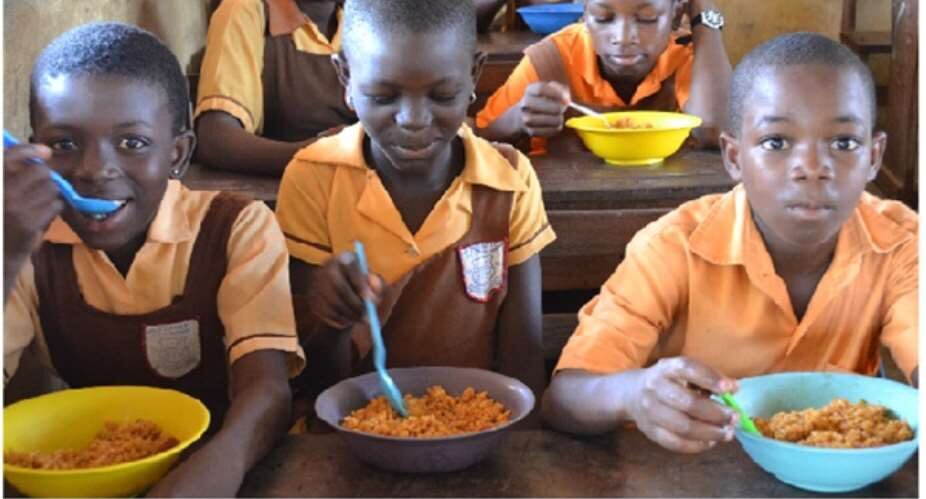
Hon. Eric Opoku revealed that during the official launch of the Nkokɔ Nkitinkiti initiative, President John Dramani Mahama directed that poultry be incorporated into the national school feeding programme, a decision he described as central to widening the initiative’s domestic market reach through the education sector.
Following that directive, the Ministry of Education has begun engaging the National Food Buffer Stock Company to explore how locally produced poultry can be procured to support meals served under the school feeding programme, creating a guaranteed institutional market for farmers.
Beyond that partnership, the Ministry of Food and Agriculture is separately rolling out a school farming project in which selected schools will be provided with poultry infrastructure, including housing and feed, to be managed directly by the institutions themselves.
“We will build the facilities, provide the feed, and hand it over for the schools to manage one for learning purposes, and two, to support the feeding programme.”Hon. Eric Opoku, Minister for Food and Agriculture
He explained that the design serves a dual purpose, giving students hands on exposure to poultry farming as part of their education, while also generating a steady supply of birds to strengthen the feeding programme in participating schools.
Government Urges Patience as Programme Expands
The Minister acknowledged that the full impact of the various components of the initiative, including the school based projects, will take time to materialise, cautioning against judging the programme’s success solely on the volume of poultry government itself has supplied.
He maintained that the underlying concept behind the initiative is sound and that early results, particularly the surge in private participation and the emerging role of schools, point to a solid foundation for future growth. He appealed for greater collaboration between government and the public to sustain the gains already recorded.
The Minister’s appeal came as government continues to position schools as a key link between local poultry production and social intervention programmes, with officials expressing confidence that the combination of private investment and education-based initiatives will progressively narrow the gap between local production and the country’s poultry demand in the coming years.