Els: MBN360 Banking
The Bank of Ghana (BoG) has unveiled a major regulatory initiative aimed at strengthening oversight of the rapidly evolving digital finance ecosystem, announcing the establishment of a dedicated Virtual Assets Department to guide the development and regulation of digital assets and financial technology innovations in the country.
The move signals a significant shift in Ghana’s approach to digital finance as authorities seek to balance innovation with consumer protection, financial stability, and public trust.
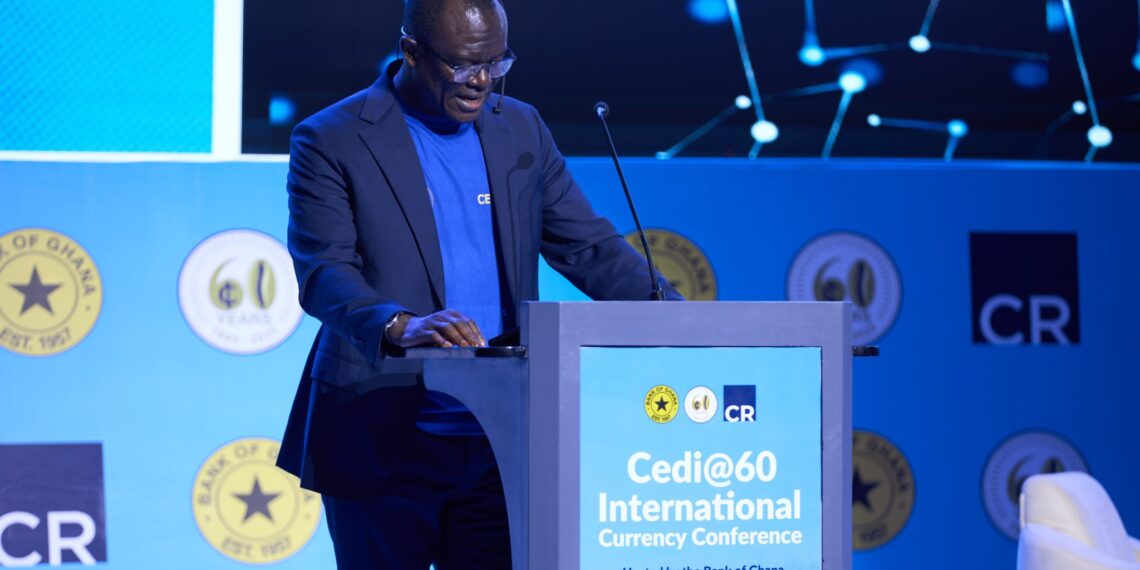
Speaking at the Standard Chartered Bank Powering Africa Digital Assets Economy Programme in Accra, the First Deputy Governor of the Bank of Ghana, Dr. Zakari Mumuni, reaffirmed the central bank’s commitment to working closely with fintech firms, digital asset operators, banks, and other stakeholders to develop a safe and inclusive digital financial ecosystem.
According to Dr. Mumuni, the central bank recognizes the transformative impact digital innovations are having on financial services and is determined to remain at the forefront of these developments.
“As regulators, we choose not to underestimate what we do not understand or ignore what was already reshaping financial lives, but rather choose to bring innovation, where citizens are projected and confidence is preserved”.Dr. Zakari Mumuni
Contrary to perceptions that regulation often stifles innovation, Dr. Mumuni stressed that the Bank of Ghana views regulation as a tool for enabling growth and building confidence in emerging financial technologies.
He noted that policymakers have a responsibility to create an environment where innovation can flourish while protecting consumers and preserving trust in the financial system.
“Regulation is not about saying no, but rather creating conditions under which society can confidently say yes as well as strengthening coordination among all the regulators in the industry”.Dr. Zakari Mumuni
The remarks come at a time when digital assets, blockchain technology, and fintech solutions are rapidly gaining traction across Africa, presenting both opportunities and regulatory challenges for governments and financial institutions.
Virtual Assets Department to Lead Oversight
A key highlight of the Deputy Governor’s address was the announcement of the newly established Virtual Assets Department, which will serve as a focal point for the central bank’s engagement with digital asset operators and innovators.
The department will work alongside the Bank of Ghana’s Regulatory Sandbox, an initiative designed to allow innovators to test new financial products and services under controlled conditions before broader market adoption.
The Deputy Governor explained that the central bank remains committed to learning from industry developments and adapting its regulatory frameworks to keep pace with technological change.
The First Deputy Governor of the Bank of Ghana also stated that it is one of these reasons that is why “we have established a dedicated Virtual Assets Department, and through our Regulatory Sandbox as we continue to learn, test, and adapt before finalising long-term frameworks”.
The announcement has been widely viewed as a proactive step toward ensuring that Ghana remains competitive in the global digital economy while maintaining robust safeguards for consumers and investors.
Read also:
- Fair Trial Must Prevail in Wontumi Case — Atta Akyea
- Herald editor Larry Dogbey granted bail after contempt conviction
- KNUST, Promotes Mineral Waste for Sustainable National Economic Development
- Gov’t rules out major public sector salary renegotiations in 2026.
- Ghana Economy to Experience positive impact Under New Oil Initiative
Call for Stronger Collaboration
Dr. Mumuni used the platform to call for greater collaboration among regulators, financial institutions, and technology innovators.
He emphasized that the future success of digital finance depends not only on technological advancements but also on policy choices and institutional cooperation.
“ This is why I say to innovators, engage with us; to banks, partner with us because interoperability is not an accident of technology. It is a policy choice and it is a continental choice.”Dr. Zakari Mumuni
The call reflects growing recognition that collaboration is essential to building interoperable systems that can support seamless financial transactions across borders and institutions.
eCedi Project Remains on Course
Despite delays in the rollout of the eCedi, Ghana’s proposed central bank digital currency, the Bank of Ghana insists that its commitment to digital innovation remains unwavering.
Dr. Mumuni reiterated that any future digital currency initiative must complement and strengthen the national currency rather than undermine it.
“Whatever we build, everything must be done to ensure that it does not displace the Ghana cedi, adding that a strong digital ecosystem should strengthen public money and not to compete with it.”Dr. Zakari Mumuni
“The future may be digital, but public trust must remain at its centre”, Dr. Zakari Mumuni added.
The comments highlight the central bank’s determination to preserve monetary stability while embracing technological advancements that can improve access to financial services.
Digital Finance as a Tool for Inclusion
The Deputy Governor pointed to the success of mobile money as evidence of how innovation can transform lives when designed around the needs of ordinary citizens.
He argued that digital financial infrastructure has the potential to expand access to financial services for millions of underserved individuals and businesses across Ghana.
According to him, mobile money has demonstrated that “what happens when innovation is designed around people’s lives”.
With many citizens still outside the formal banking system, the next generation of digital financial services could play a crucial role in driving financial inclusion, supporting economic growth, and creating new opportunities for businesses and consumers alike.
As Ghana continues its digital transformation journey, the establishment of the Virtual Assets Department marks a defining moment in the country’s efforts to create a modern, secure, and inclusive financial ecosystem capable of meeting the demands of the future.