Els: MBN360 News
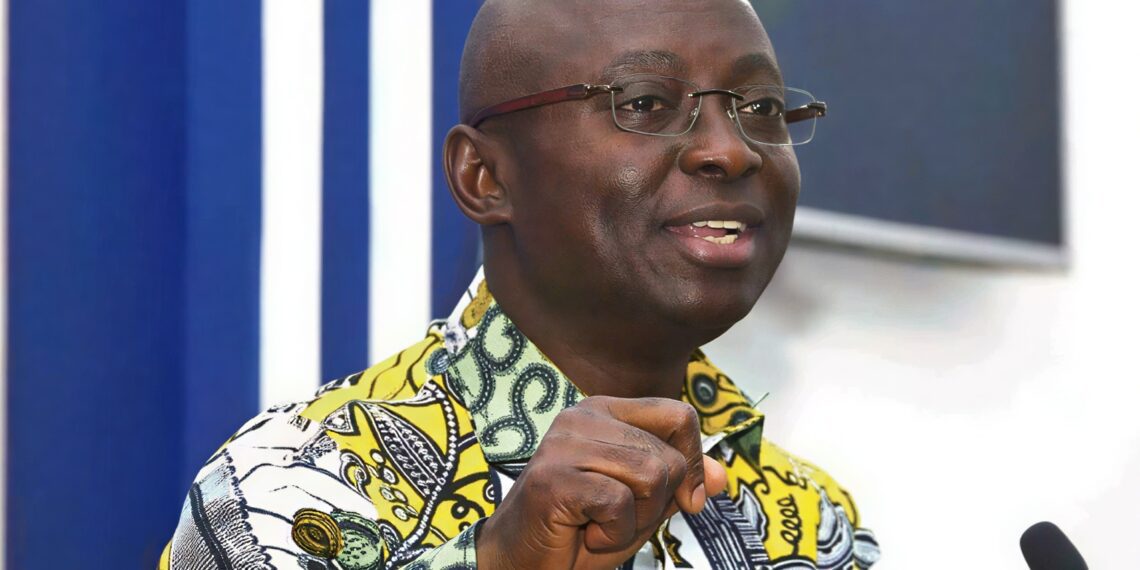
he Legal Counsel for Thomas Antwi Bosiako, widely known as Chairman Wontumi, Samuel Atta Akyea has argued that his client deserves adequate legal representation and sufficient time to prepare written submissions before judgment is delivered. He stated that denying such an opportunity could undermine the principles of fair trial and justice.
Addressing the rejection by the Attorney General to defer judgement, Atta Akyea said he only recently received the complete court record and requires time to carefully study the documents. He indicated that a thorough review is necessary to properly advise his client and formulate a credible legal response.
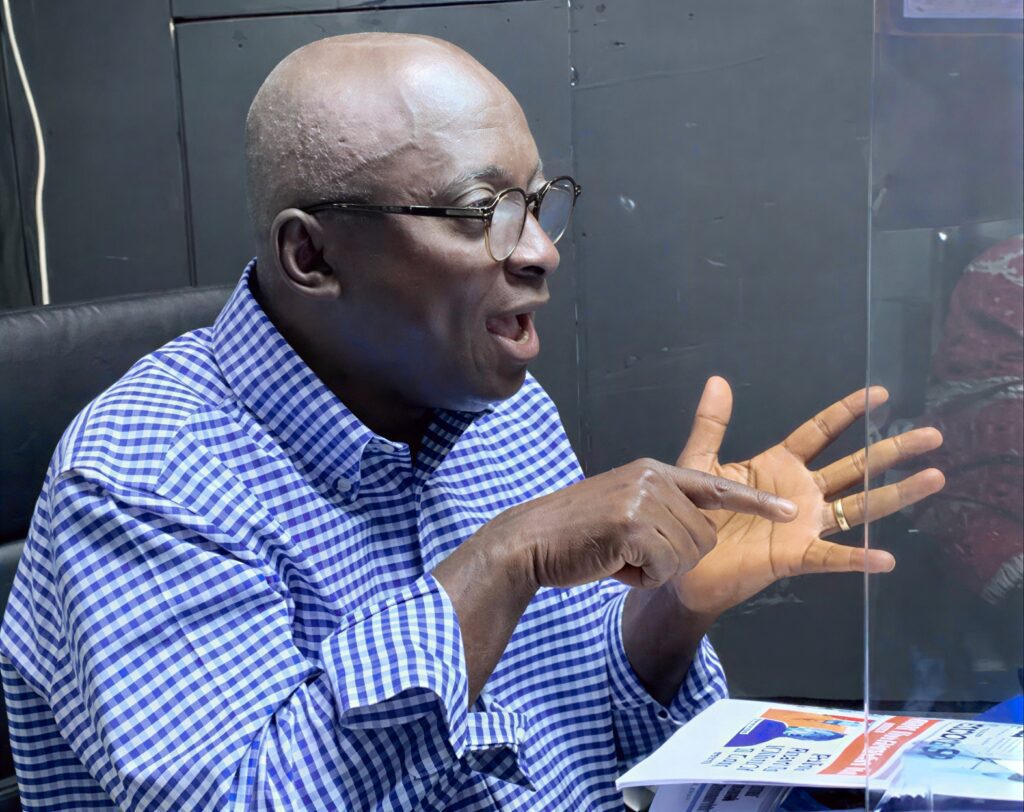
Discussing the importance of legal representation, the Lawyer stressed that criminal proceedings demand professional expertise, particularly at the final stage of trial. He noted that legal submissions at the climax of a case often shape how evidence and law are interpreted before judgment.
“This is the most important stage where law meets evidence and justice must be carefully weighed. I’m very surprised that even the Attorney General will file an affidavit in opposition and say that we are trying to delay the trial.”Samuel Atta Akyea
Atta Akyea stated that while the Republic is represented by the Attorney General, an accused person without counsel stands at a significant disadvantage. Additionally, he questioned the fairness of proceeding when the defence has limited opportunity to present its position. The Lawyer argued that written submissions could influence judicial reasoning, especially when doubts arise over whether a case has been proven beyond reasonable doubt.
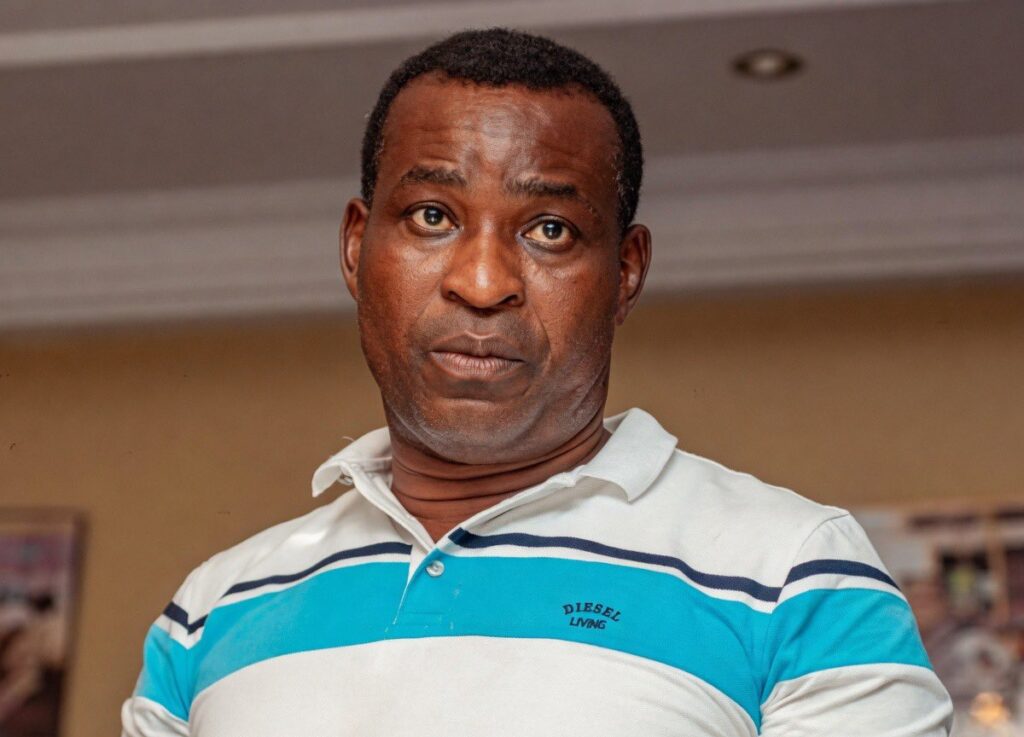
Moreover, Atta Akyea said he found it surprising that his request has been characterised as an attempt to delay proceedings. He contended that granting a short extension would serve justice rather than obstruct it. He emphasised that courts routinely grant extensions when necessary to ensure proper adjudication.
Analysing the consequences of rushing the process, Atta Akyea stated that a miscarriage of justice carries consequences that cannot easily be remedied once judgment is delivered.
The Lawyer appealed for measured judicial discretion. He argued that even a limited period for preparation would demonstrate fairness to both the accused and the public.
Read also:
- Children, elderly, PWDs to receive priority support in flood response – Gender Ministry
- Alajo flood tragedy: Three die from electrocution
- Analyst Predicts More Gains for Resurgent Cedi
- Accra at a Standstill: Floodwaters Expose a City In Crisis
- Ghana Alerts Travellers As South Africa Faces Heightened Protest Security Threats
Rule of Law Must Rise Above Public Sentiment
Discussing the legal basis for his application, Samuel Atta Akyea cited Act 30 and Article 19 of the Constitution as key protections for accused persons. He argued that the law expressly guarantees the right of an accused person to address the court through proper legal representation.
Additionally, Atta Akyea stated that expecting a layperson to prepare written submissions in a complex criminal matter would place an unreasonable burden on the accused. He noted that legal analysis requires careful study of records, evidence and procedural history.
Following this, the Lawyer explained that he entered the matter at a late stage and therefore requires reasonable time to familiarise himself with the record. He stated that preparing a credible submission within a rushed timeframe would compromise the quality of the defence.

“I would be pretending to be an Einstein in law if I said that within two weeks I could read the entire record and prepare a credible written submission. I should not pretend to know too much. I need time to carefully study the record.”Samuel Atta Akyea
When pressed on the period required, Atta Akyea suggested that six weeks would be sufficient. He argued that granting such time would neither disrupt national affairs nor undermine the justice system.

Focusing on the intense public interest surrounding the allegations linked to illegal mining, Atta Akyea argued that legal proceedings must remain insulated from political narratives and public emotion.
Coupled with this, he suggested that heightened public scrutiny can create pressure on prosecutorial decisions. He cautioned that justice should never become a contest driven by political expectations or popular approval. He also stressed that convictions must rest solely on evidence presented in court and proof beyond reasonable doubt.
The emphasis remains on preserving the rule of law amid the intense public scrutiny. Atta Akyea finally asserted that courts must resist the influence of public opinion and uphold justice through evidence, fairness and constitutional discipline.