Els: MBN360 News
he Secretary of the Ghana Journalists Association, Dominic Hlordzi has warned that investigative journalism in Ghana is facing mounting pressure as defamation suits continue to rise against journalists and media houses. He indicated that the growing wave of litigation is gradually weakening one of journalism’s most critical functions.
Mr. Hlordzi stated that investigative journalism has historically served as the lifeblood of credible journalism in Ghana. The GJA Secretary explained that any decline in that area carries serious implications for transparency and democratic accountability.
Discussing the issue, he revealed that many journalists engaged in detailed reporting are currently entangled in legal battles. He noted that more than 15 defamation related cases involving journalists are currently pending before the courts.

The GJA Secretary observed that frequent court appearances are now becoming part of the professional reality for many reporters. He added that the financial burden associated with legal defence continues to discourage many media practitioners from pursuing sensitive investigations.
“Investigative journalism remains the lifeblood of our profession and its decline affects the quality of public discourse. When journalists spend their working days in court instead of in the field, society loses access to critical information. The cost of litigation also discourages many talented reporters from pursuing difficult stories. This trend poses a serious challenge to democratic accountability.”Dominic Hlordzi
He highlighted that the economic strain lawsuits place on journalists with limited resources. Mr. Hlordzi explained that many reporters lack the financial capacity to sustain prolonged legal battles.
Moreover, he emphasised that the GJA remains deeply invested in protecting journalists who serve the public interest. The association, he noted, recognises investigative reporting as an essential tool for exposing wrongdoing and strengthening governance.
He argued that journalism plays a vital role in promoting probity, fairness and public awareness. The GJA Secretary added that media work contributes directly to national development by ensuring citizens remain informed.
Within this context, he said legal intimidation can discourage accountability reporting. He cautioned that persistent litigation may create an environment where journalists hesitate to pursue stories of public significance.
Read also:
- Children, elderly, PWDs to receive priority support in flood response – Gender Ministry
- Alajo flood tragedy: Three die from electrocution
- Analyst Predicts More Gains for Resurgent Cedi
- Accra at a Standstill: Floodwaters Expose a City In Crisis
- Ghana Alerts Travellers As South Africa Faces Heightened Protest Security Threats
Mr. Hlordzi urged stronger support systems for investigative journalists across Ghana. He remarked that safeguarding press freedom remains essential to sustaining democratic progress and public trust.
GJA Advocates Use Of Rejoinders And Mediation In Media Disputes
Mr. Hlordzi also addressed how defamation disputes involving journalists should be handled before escalating into courtroom battles. He called for wider use of mediation channels, arguing that legal action should follow only after established complaint procedures have been exhausted.
Disclosing dispute resolution process, the GJA Secretary highlighted the role of the National Media Commission and the GJA in resolving media related grievances. He explained that both institutions provide platforms for complaints, rejoinders and corrective responses.
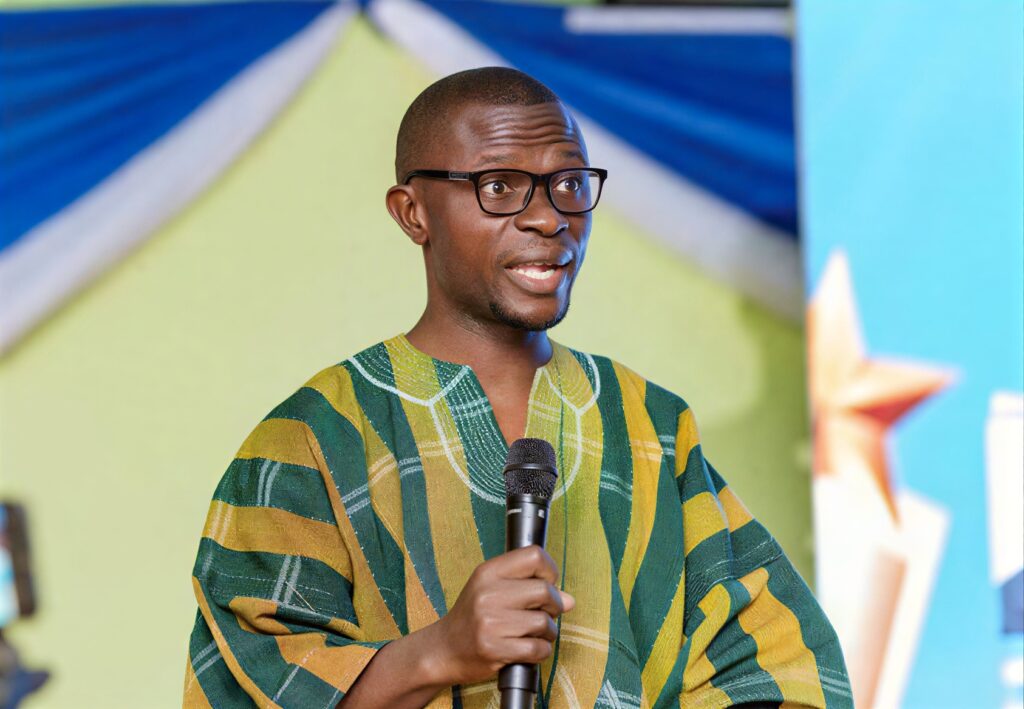
Mr. Hlordzi stated that individuals who feel harmed by media publications should first pursue these channels. He said this approach aligns with constitutional safeguards designed to balance reputational rights and press freedom.
“The proper route is to seek a rejoinder or file a complaint with the GJA or the National Media Commission before heading to court. These mechanisms exist to resolve disputes fairly and reduce unnecessary escalation. When that process is ignored, journalism faces avoidable pressure.”Dominic Hlordzi
Focusing on strategic lawsuits used by powerful individuals against less resourced journalists, he suggested that court action can sometimes become a tool of pressure where financial strength shapes the balance of power.
The GJA Secretary argued that some complainants recognise the economic limitations facing journalists and exploit that imbalance. In such situations, he said, litigation can create a chilling effect on press freedom.
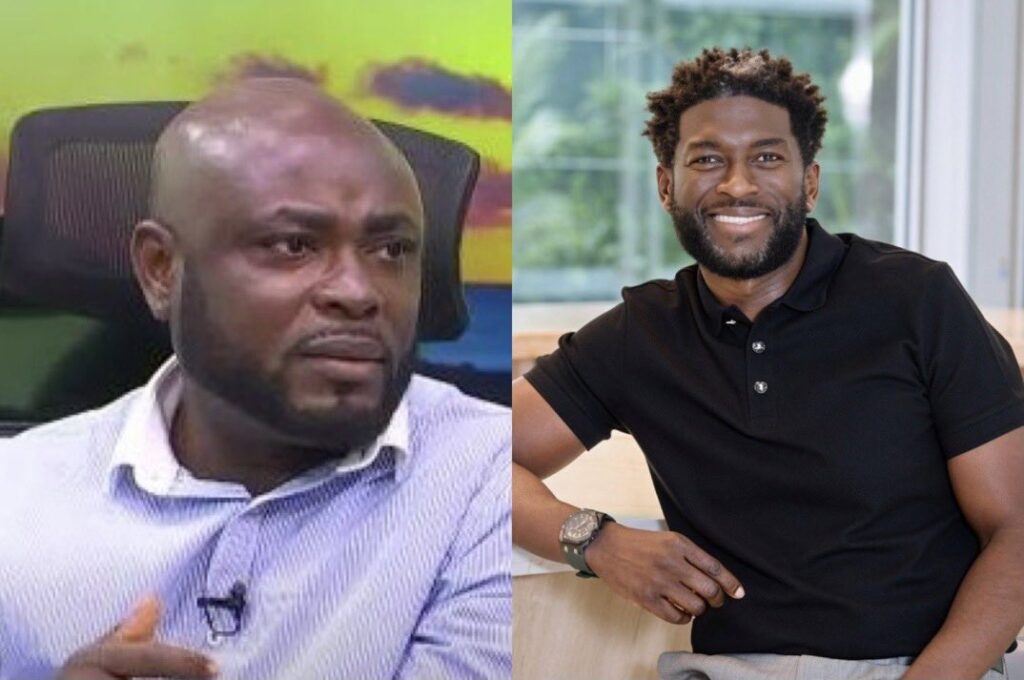
Referencing the high profile dispute involving Larry Dogbe and Kevin Okyere, Mr. Hlordzi stated that the case illustrates how defamation claims often hinge on truth, reputational injury and public interpretation.
He noted that for defamation to be established, a statement must be false and must cause measurable damage to reputation. The GJA Secretary added that public perception is central to determining whether reputational harm has occurred.
Mr. Hlordzi urged both journalists and complainants to embrace dialogue and responsible engagement. He emphasised that strengthening mediation mechanisms will help protect reputations while preserving the independence of the media.