Els: MBN360 Extractives/Energy
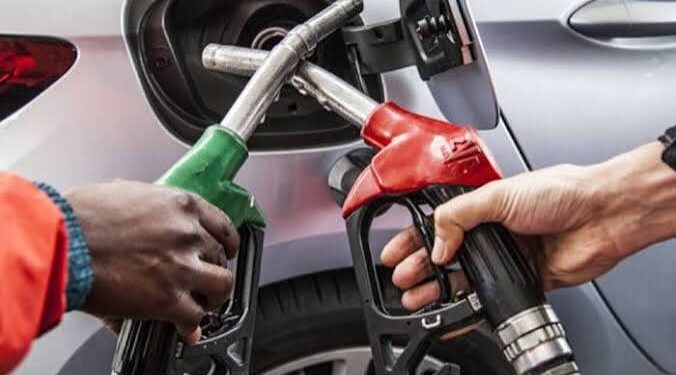
Ghana’s highly competitive fuel retail market, long regarded as one of the success stories of the country’s downstream petroleum reforms, is coming under renewed scrutiny as industry leaders warn that aggressive price competition could threaten the long-term stability of the sector.
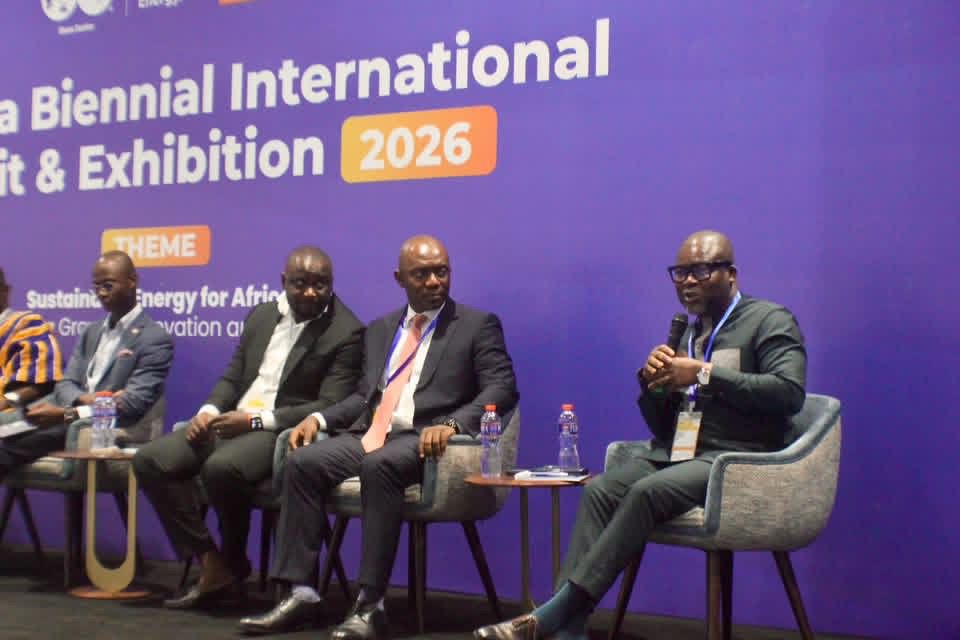
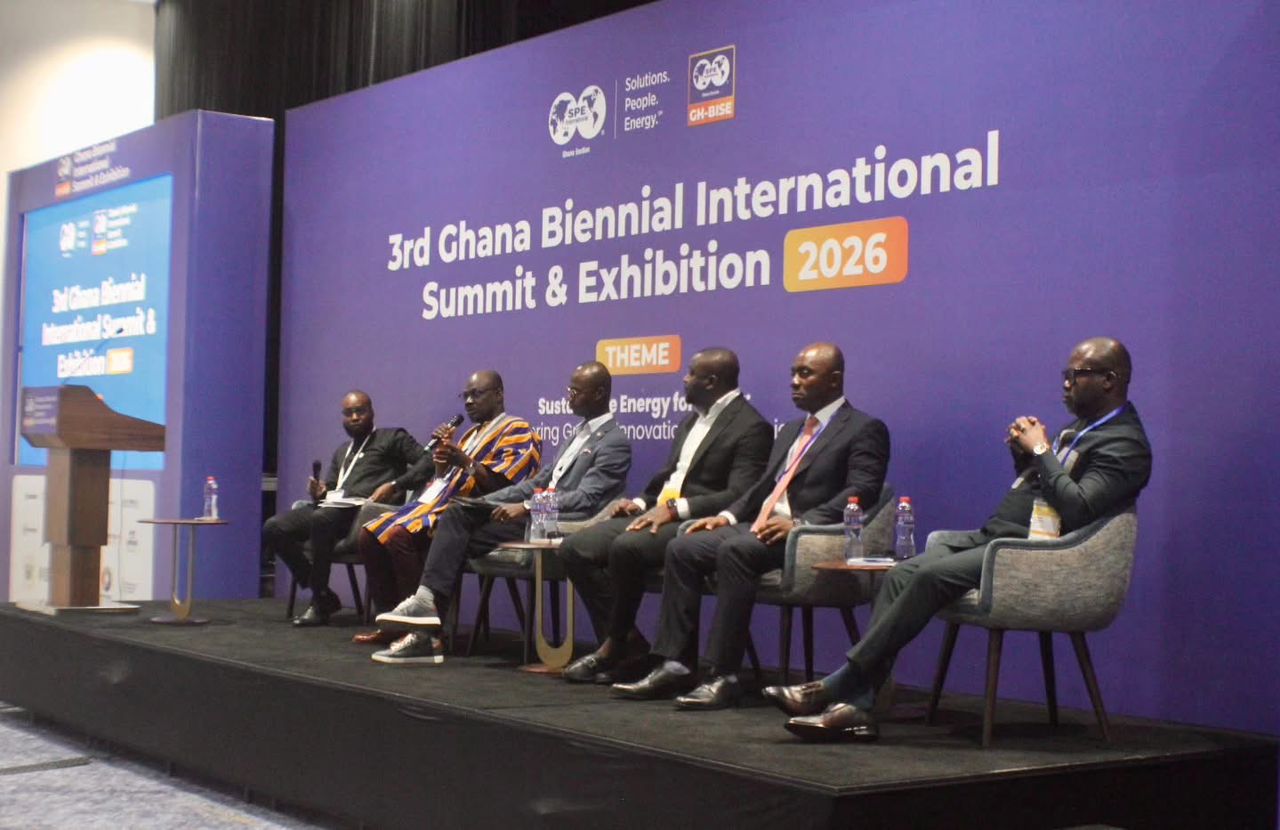
The debate gained fresh attention at the Ghana Biennial International Summit and Exhibition (GH-BISE 2026), where petroleum industry executives and regulators discussed whether the country’s deregulated fuel market is striking the right balance between affordable prices for consumers and sustainable business operations for oil marketing companies.
While motorists continue to benefit from frequent price reductions at fuel stations, some industry players argue that the intense competition driving those prices may be creating financial pressures capable of weakening investment, encouraging unhealthy business practices and ultimately undermining fuel supply security.
Competition Changed Ghana’s Fuel Market
Speaking during the summit, Chief Executive Officer of PETROSOL Platinum Energy PLC, Michael Bozumbil, described Ghana’s downstream deregulation policy as one of the most significant reforms undertaken in the petroleum sector over the past three decades.
According to him, opening the market to indigenous companies fundamentally changed how petroleum products are supplied and distributed across the country.
“The first phase of the deregulation policy began in the late 1990s and focused on opening the downstream petroleum sector to indigenous private investment,” Michael Bozumbil, Chief Executive Officer of PETROSOL Platinum Energy PLC, said.
He explained that licensing indigenous Oil Marketing Companies (OMCs) encouraged local investment in fuel stations, storage facilities and petroleum logistics, reducing the dominance previously enjoyed by foreign-owned operators while strengthening Ghana’s fuel distribution network.

Mr. Bozumbil also pointed to the second phase of deregulation introduced in July 2015, when government liberalised petroleum pricing and largely removed fuel subsidies.
According to him, that policy shifted responsibility for competitive pricing from government to the private sector, allowing market competition to determine pump prices for petrol, diesel and Liquefied Petroleum Gas (LPG).
He credited successive governments for maintaining the deregulation framework, arguing that policy consistency has contributed to improved fuel availability and eliminated the long queues that once characterised fuel purchases in Ghana.
Cheap Fuel Comes at a Cost
Despite these gains, Mr. Bozumbil cautioned that the same competition benefiting consumers is placing increasing financial strain on many operators.
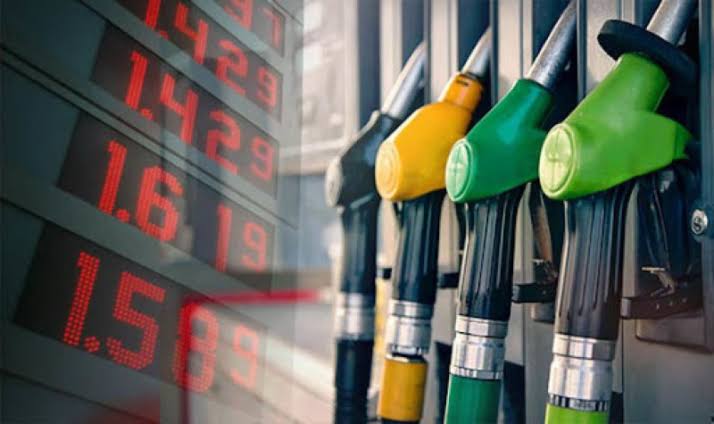
Consumers continue to benefit from relatively low fuel prices due to intense competition among numerous OMCs, but many of these companies are heavily indebted because they are forced to significantly reduce their profit margins or, in some cases, sell at zero or even negative margins, to compete for market share.Michael Bozumbil stated.
He warned that such pricing strategies may not be sustainable over the long term.
Discover more
Economics
Local News
Economic news alerts
Executive Branch
Educational news content
Geographic Reference
economic
ADVERTISEMENT
According to him, persistent pressure to undercut competitors could discourage investment in infrastructure, weaken business resilience and eventually affect the reliability of fuel supply if operators become financially distressed.
Read also:
- Children, elderly, PWDs to receive priority support in flood response – Gender Ministry
- Alajo flood tragedy: Three die from electrocution
- Analyst Predicts More Gains for Resurgent Cedi
- Accra at a Standstill: Floodwaters Expose a City In Crisis
- Ghana Alerts Travellers As South Africa Faces Heightened Protest Security Threats
Mr. Bozumbil also alleged that some companies resort to illegal practices to remain competitive.
Some OMCs engage in illicit activities, including tax evasion and fuel adulteration, to sustain their low pricing strategies, Michael Bozumbil alleged.
Although he did not identify specific companies, he argued that regulators should intensify enforcement against operators found violating industry rules.
Why the Debate Matters
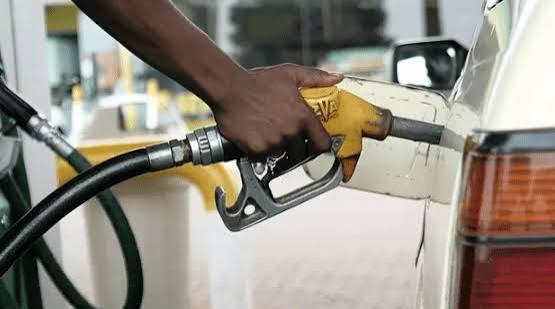
For many Ghanaians, competition among fuel marketers has generally translated into lower pump prices and more choices.
Unlike the era before deregulation, motorists can now compare prices among competing stations, with many oil marketing companies offering discounts or promotional pricing.
However, analysts say pricing wars can also have unintended consequences if companies sacrifice profitability simply to retain market share.
Lower margins may limit investments in storage facilities, transportation infrastructure, staff training and safety systems, areas that directly affect service quality and supply reliability.
Industry observers have also noted that financially distressed operators may become more vulnerable to regulatory breaches if proper oversight is lacking.
The concerns emerge at a time when Ghana is simultaneously trying to improve efficiency across the wider energy sector while managing legacy debts and maintaining stable fuel supplies.
Regulator Defends Fair Pricing
The National Petroleum Authority (NPA), however, insists its objective remains balancing consumer protection with industry sustainability.
Speaking on the same panel, the Authority’s Director of Economic Regulation and Planning, Abass Ibrahim Tasunti, reaffirmed the regulator’s commitment to maintaining a pricing system that supports both businesses and consumers.
The NPA remains committed to working closely with OMCs to ensure fair pricing that supports business sustainability while also delivering value to consumers, Abass Ibrahim Tasunti, Director of Economic Regulation and Planning at the National Petroleum Authority, said.
Mr. Bozumbil welcomed recent regulatory measures, including enforcement of floor prices and the reintroduction of uniform pricing at individual fuel stations.
He argued that stronger enforcement could help restore discipline within the downstream market while discouraging unsustainable pricing behaviour.
Calls for Industry Consolidation
Beyond pricing reforms, the PETROSOL CEO called for a review of Ghana’s licensing regime.
He suggested regulators should encourage consolidation within the industry and ensure that new licences are granted only to companies with adequate financial capacity, operational experience and sound corporate governance.
According to him, a more financially resilient downstream industry would better protect Ghana’s fuel security while creating healthier competition among operators.
He also urged existing OMCs and Bulk Distribution Companies (BDCs) to strengthen compliance with tax obligations, improve governance standards and embrace innovation to remain competitive without compromising sustainability.
What It Means for Ghana
The discussion highlights a broader policy question facing Ghana’s petroleum industry: how to preserve the benefits of deregulation while preventing excessive competition from weakening the businesses responsible for keeping fuel flowing across the country.
If companies continue operating on extremely thin or negative margins, investment in storage terminals, distribution networks and modern fuel infrastructure could slow, potentially affecting long-term supply resilience.
Conversely, stricter pricing controls or tighter licensing requirements could help stabilise the market but may also reduce some of the competitive pressure that has helped keep pump prices relatively affordable.
The debate therefore extends beyond the commercial interests of oil marketing companies.
It touches on fuel security, regulatory oversight, infrastructure investment and consumer protection issues that remain central to Ghana’s broader energy strategy as demand for petroleum products continues to grow.
The discussions at GH-BISE 2026, reported by Energy News Africa, suggest that while Ghana’s deregulated petroleum market has delivered important gains over the years, policymakers and industry leaders increasingly believe its next phase will depend not only on competition, but on ensuring that competition remains sustainable.