ELS: MBN360 NEWS
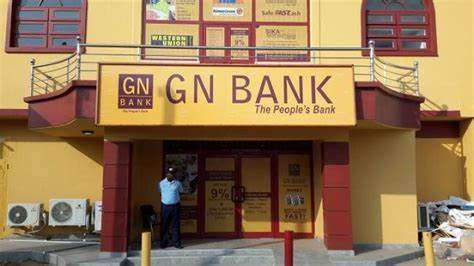
The Supreme Court of Ghana has stayed the execution of a Court of Appeal judgment that had ordered the immediate restoration of GN Savings and Loans’ operating licence, leaving the financial institution’s fate suspended as the country’s apex court prepares to deliver a final verdict.
The intervention means the status quo remains unchanged. The Bank of Ghana is not legally required to reinstate the company’s licence, and all physical and financial assets connected to GN Savings will remain under regulatory control until the Supreme Court rules definitively on the matter.
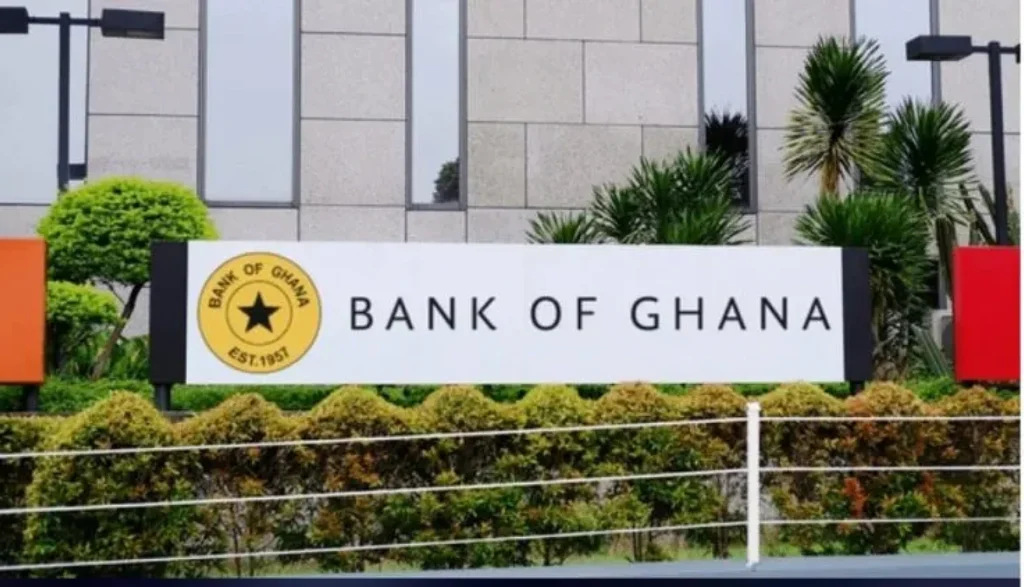
The dispute traces back to August 2019, when the Bank of Ghana revoked the operating licence of GN Savings and Loans as part of a broader clean-up of the country’s financial sector. The revocation forced the company’s operations to cease and placed its assets under the control of an appointed receiver, effectively freezing the institution’s activities.
The central bank has consistently defended that decision, maintaining that it was based on severe capital adequacy failures and serious liquidity deficiencies within the institution at the time.
According to the Bank of Ghana, these were not minor administrative concerns but fundamental weaknesses that threatened the stability of the institution and, by extension, the wider financial system.
Court of Appeal Overturns Earlier Ruling
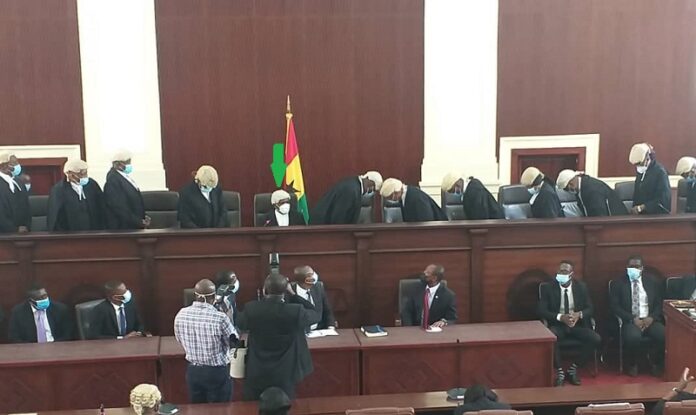
The case took a significant turn in June 2026, when a three-member panel of the Court of Appeal unanimously overturned an earlier High Court decision. The appellate court declared the 2019 revocation of the GN Savings licence “unfair and unreasonable,” a ruling that directly challenged the Bank of Ghana’s original justification for shutting down the company.
Beyond overturning the revocation, the Court of Appeal went further, ordering the appointed receiver, Eric Nana Nipah, to immediately hand back all assets and management control to the shareholders of GN Savings.
For the company’s shareholders, the ruling appeared to clear one of the most significant hurdles standing between them and the resumption of normal business operations after years of regulatory limbo.
Bank of Ghana Pushes Back with Supreme Court Appeal
The Bank of Ghana did not accept the Court of Appeal’s decision as final. The central bank mounted an aggressive legal challenge, filing an appeal aimed at halting the restoration order before it could take effect.
That challenge culminated on July 14, 2026, when the Supreme Court granted the Bank of Ghana’s application for a stay of execution. The stay effectively freezes the restoration process, preventing shareholders from regaining control of the company’s assets or resuming operations while the Supreme Court continues its review of the case.
For GN Savings and its shareholders, the ruling represents another setback in a legal battle that has already stretched across several years and multiple layers of Ghana’s judicial system.
What the Stay Means in Practice
A stay of execution does not resolve the underlying legal dispute. Instead, it pauses the enforcement of the Court of Appeal’s judgment, preserving the current arrangement in which GN Savings’ assets remain under the receiver’s control pending a final decision from the Supreme Court.
Read also:
- World Gold Council commits initial US$250,000 to support Ghana’s responsible mining drive
- Vice President heads to U.S. for Sister Cities International 70th Anniversary Conference
- President Mahama receives Wisconsin Governor on Accra visit
- CID rescues nine trafficking victims, arrests ten in Afienya cybercrime operation
- FiFA Re-Activates the old adage of “Robbing Peter to Pay Paul”
This means that despite the Court of Appeal’s ruling in their favour, GN Savings’ shareholders cannot yet reclaim management control or resume business activities.
For the Bank of Ghana, the stay provides an opportunity to continue defending its original 2019 decision at the highest judicial level, without the pressure of having to immediately comply with an order it has chosen to contest.
The central bank’s position remains that the revocation was a necessary and legally sound response to genuine financial instability within the institution, rather than an arbitrary or unfair exercise of regulatory power.
A Case Study in Ghana’s Financial Sector Clean-Up
The GN Savings case sits within a broader context of regulatory action taken by the Bank of Ghana during its financial sector clean-up in 2019 led by former Governor, Dr Ernest Adisson , an exercise that saw the licences of numerous banks and non-bank financial institutions revoked over concerns about capital adequacy, liquidity and governance failures.

That clean-up reshaped Ghana’s financial landscape, but it also triggered a wave of legal disputes from affected institutions and shareholders who argued that some revocations were unjustified or improperly executed.
The GN Savings dispute has become one of the more closely watched cases to emerge from that period, partly because of the back and forth nature of the litigation.
The High Court’s original decision, the Court of Appeal’s reversal, and now the Supreme Court’s stay illustrate how contested and legally complex the aftermath of the clean-up exercise has proven to be for both regulators and the institutions they acted against.
Timeline of the Case
The dispute has unfolded over several years, beginning with the Bank of Ghana’s revocation of the GN Savings licence in August 2019, an action that immediately ceased operations and placed the company’s assets under a receiver’s control.
The case remained largely unresolved until June 2026, when the Court of Appeal overturned the earlier High Court ruling and ordered the licence restored, briefly appearing to clear the path for shareholders to resume business.
That path was interrupted on July 14, 2026, when the Supreme Court granted the Bank of Ghana’s application for a stay, freezing the restoration process pending its final judgment.
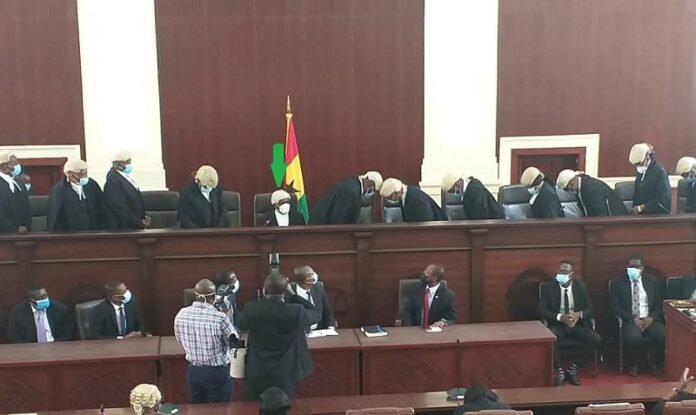
With the stay now in effect, attention shifts to the Supreme Court, which must ultimately decide whether the Bank of Ghana’s 2019 revocation of the GN Savings licence was lawful, or whether the Court of Appeal was correct in finding it unfair and unreasonable.
Until that final verdict is delivered, GN Savings and Loans will remain in regulatory limbo, its assets under receivership and its shareholders without the management control the Court of Appeal had briefly granted them.
The outcome of this case is likely to carry implications beyond GN Savings itself, potentially shaping how future disputes between the Bank of Ghana and institutions affected by its regulatory decisions are litigated and resolved.