ELS: MBN360 BUSINESS

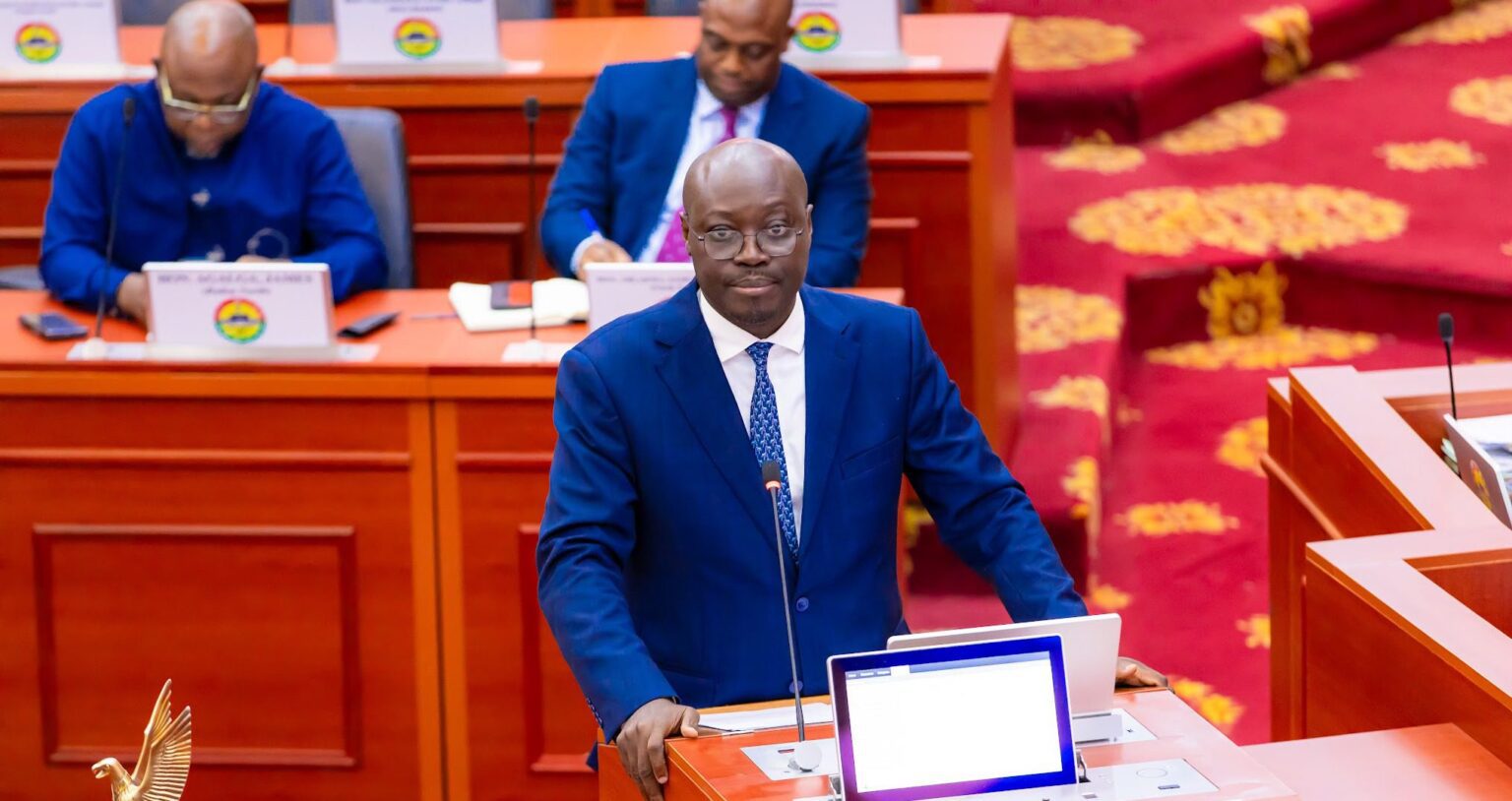
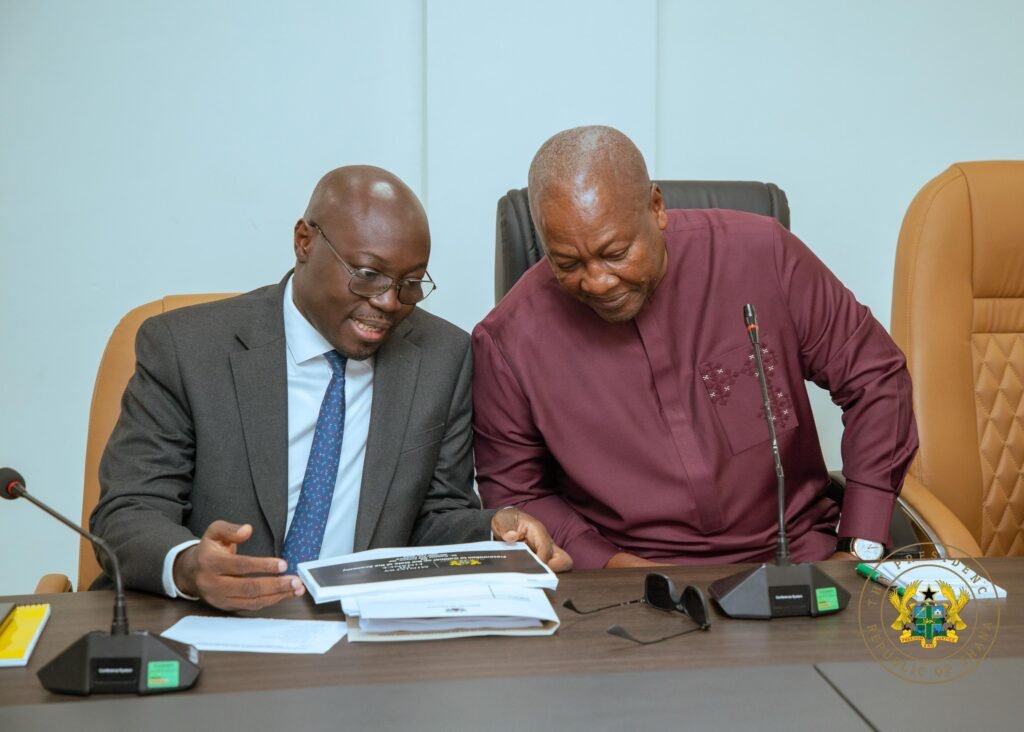
Minister for Finance and acting Minister for Defence, Dr. Cassiel Ato Forson
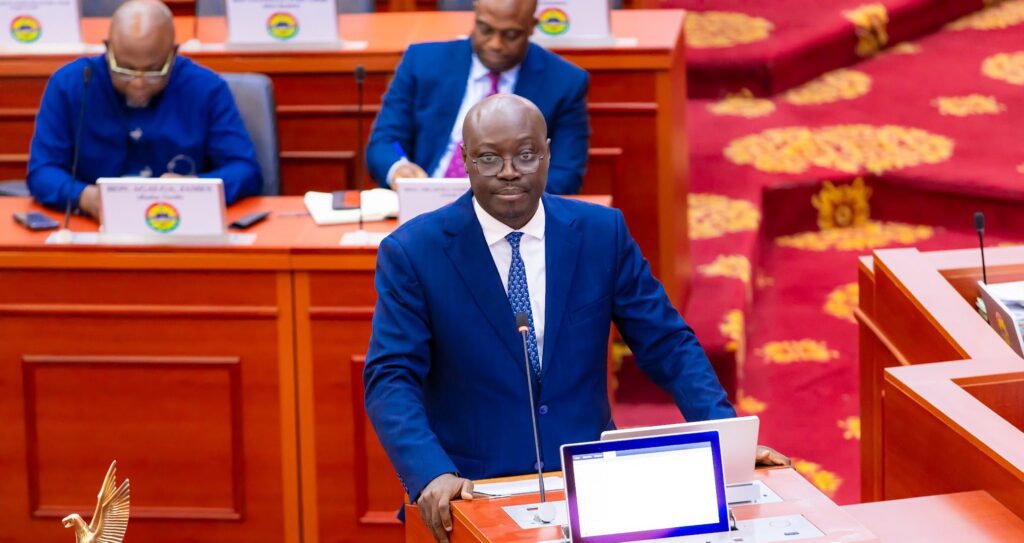
Ghana’s Minister for Finance, Dr. Cassiel Ato Forson, is scheduled to present the 2026 Mid-Year Budget Review to Parliament on Thursday, July 23, 2026, setting the stage for lawmakers and the public to receive an updated picture of the country’s fiscal performance halfway through the year.
Deputy Majority Leader Kweku Ricketts-Hagan announced the date on the floor of Parliament, confirming that the Finance Minister would appear before the House to deliver the review in line with statutory requirements governing the management of public funds.
The Mid-Year Budget Review is not a discretionary exercise. It is a requirement under the Public Financial Management Act, Act 921, which mandates government to update Parliament on the state of the economy and public finances partway through each fiscal year.
The law exists to ensure that lawmakers, and by extension the public, receive timely information on whether government is on track to meet its fiscal targets or whether adjustments are needed to keep the budget aligned with economic realities.

This requirement has become a fixture of Ghana’s budget calendar, giving successive finance ministers an opportunity to account for revenue collection, expenditure patterns, and broader macroeconomic conditions since the presentation of the main budget earlier in the year.
For Dr. Forson, the upcoming review will mark another test of his stewardship of the economy at a time when Ghana continues to navigate the aftermath of its debt restructuring programme and ongoing engagement with the International Monetary Fund.
What to Expect From the Presentation
According to the announcement, the presentation is expected to focus on several key areas, chief among them a shift toward growth.
This suggests that government intends to use the review to signal a transition in economic policy emphasis, moving from the stabilisation measures that have dominated fiscal management in recent years toward strategies aimed at stimulating broader economic expansion.
The review is also expected to include updates on Ghana’s programme with the International Monetary Fund, a relationship that has shaped much of the country’s fiscal policy since the onset of its economic difficulties.
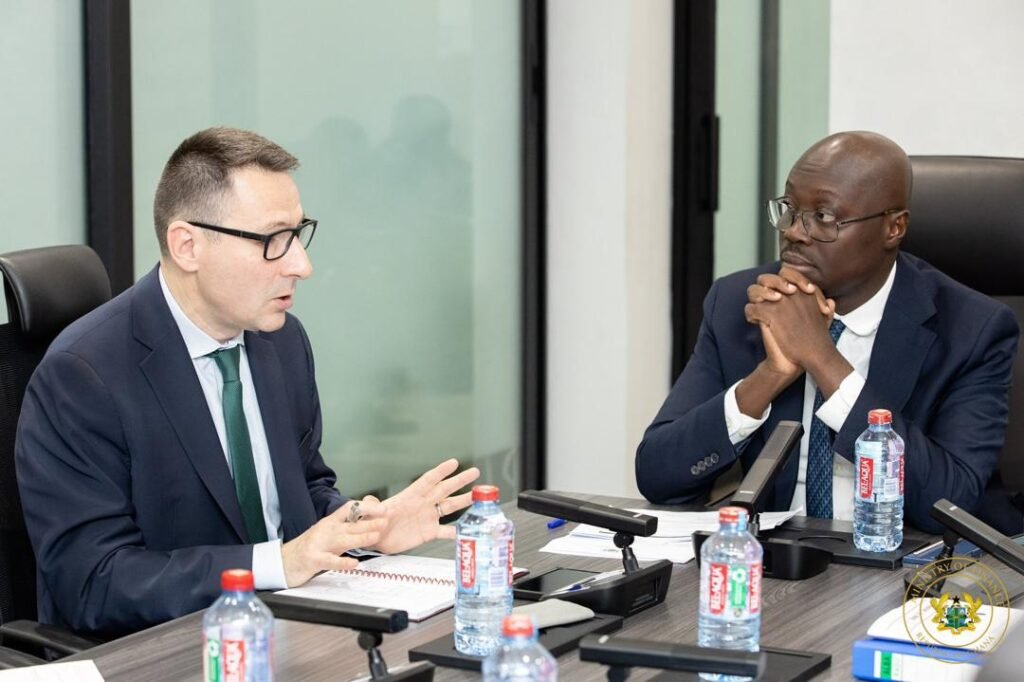
Given the significance of the IMF programme to Ghana’s broader recovery efforts, any updates on programme performance, compliance with agreed targets, or adjustments to the arrangement are likely to draw close attention from economists, investors, and development partners monitoring the country’s progress.
Fiscal performance updates for 2026 form another central component of what lawmakers can expect. These updates typically cover how actual revenue and expenditure figures compare to the projections set out in the original budget, offering a clearer sense of whether government is operating within its planned fiscal envelope or facing pressures that require corrective action.
Read also:
- World Gold Council commits initial US$250,000 to support Ghana’s responsible mining drive
- Vice President heads to U.S. for Sister Cities International 70th Anniversary Conference
- President Mahama receives Wisconsin Governor on Accra visit
- CID rescues nine trafficking victims, arrests ten in Afienya cybercrime operation
- FiFA Re-Activates the old adage of “Robbing Peter to Pay Paul”
Possible Adjustments to Macroeconomic Targets
Beyond reporting on performance to date, the Mid-Year Review often serves as an opportunity for government to revise its macroeconomic targets where necessary.
Analysts and stakeholders will be watching closely to see whether Dr. Forson proposes any changes to key indicators such as inflation projections, growth forecasts, or revenue targets, particularly given the various economic developments that have unfolded since the start of the year.
Any potential revisions are expected to be shaped in part by Parliamentary schedules, suggesting that the exact scope and timing of adjustments could still be subject to some flexibility as the presentation date approaches.
This reflects the practical reality that budget reviews, while guided by law, often require coordination between the Finance Ministry and Parliament’s own legislative calendar to ensure a smooth presentation and subsequent debate.
Context Behind the Upcoming Review
The Mid-Year Review arrives at a period when Ghana has recorded several notable developments on the fiscal and economic front. The country recently completed the exchange of its remaining SADEREA Notes, a milestone officials have described as the final stage of Ghana’s external debt restructuring programme.
That achievement, alongside broader improvements in inflation and exchange rate stability, has fed into a cautiously optimistic narrative around the country’s economic recovery.
Against this backdrop, the Mid-Year Review offers Dr. Forson an opportunity to consolidate this narrative before Parliament, while also addressing any emerging risks that could complicate the government’s fiscal outlook for the remainder of the year.
Given that the Bank of Ghana has previously flagged concerns about potential short-term debt servicing pressures tied to the final stages of the restructuring process, the review may also serve as a platform for government to respond to such concerns and reassure lawmakers of its capacity to manage any residual fiscal strain.
Why the Review Matters to Ghanaians
For everyday Ghanaians, the Mid-Year Budget Review carries implications that extend well beyond Parliament’s chambers. Decisions made or signalled during the presentation can influence government spending priorities, tax policy, and the broader economic environment in which businesses and households operate for the remainder of the year.
A shift toward growth, if confirmed during the presentation, could translate into policy measures aimed at stimulating investment, expanding employment opportunities, or easing the cost pressures many citizens continue to face.
At the same time, any adjustments to fiscal targets will offer a clearer signal of how closely government’s initial projections for 2026 have tracked with actual economic performance, providing a more grounded basis for public expectations heading into the second half of the year.
With the date now confirmed, attention turns to how Dr. Forson will frame the government’s fiscal narrative before Parliament. His presentation is expected to draw significant interest from lawmakers across the political divide, as well as from economists, investors, and international partners keen to assess Ghana’s trajectory following years of economic difficulty and reform.
As the country awaits the Minister’s appearance, the Mid-Year Budget Review stands as one of the most closely watched fiscal events on Ghana’s parliamentary calendar for 2026, offering a critical checkpoint on the government’s economic management halfway through the year.