
Els: MBN360 Business
Researchers, industry leaders and environmental experts has called for innovation, stronger partnerships and policy reforms to transform mining waste into valuable resources
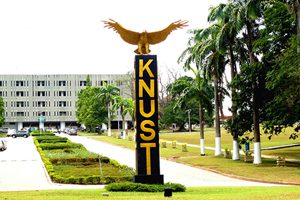
Kwame Nkrumah University of Science and Technology (KNUST) has called for a paradigm shift in the way Ghana manages mineral and industrial waste, urging researchers, policymakers and industry players to view mining residues not as environmental liabilities but as valuable resources capable of driving economic growth and sustainable development.
“Mining waste should no longer be seen as an environmental liability but as a valuable resource that can drive innovation, economic growth and sustainable development through stronger partnerships and policy reforms.”Environmental Protection Agency (EPA) of Ghana
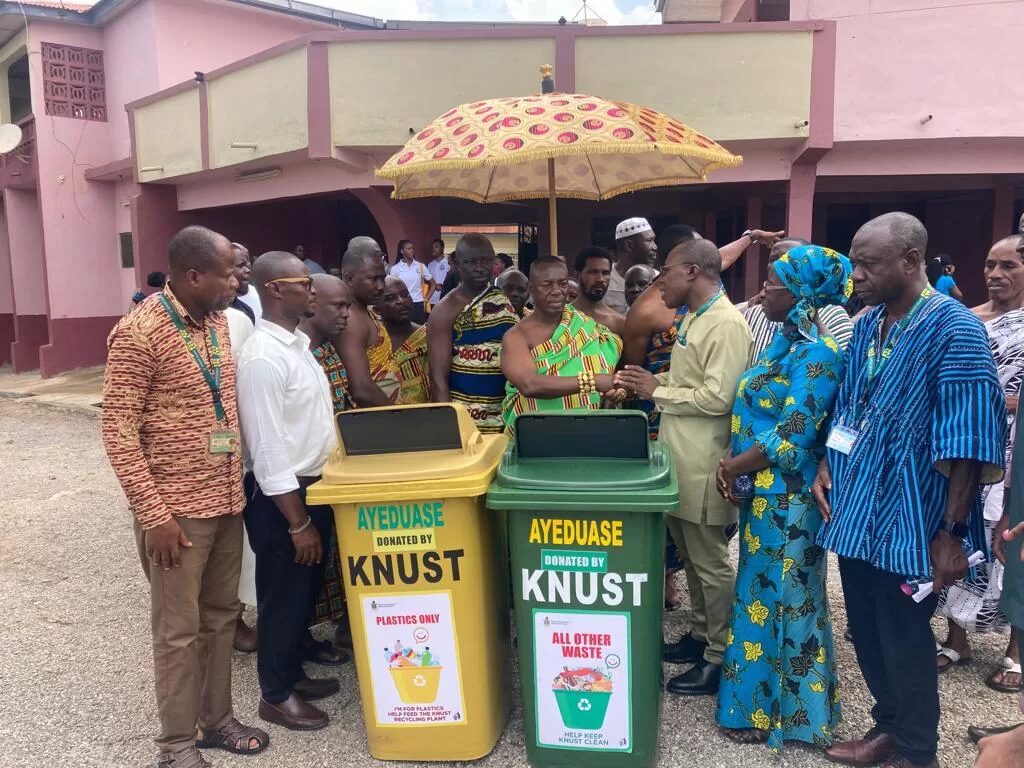
The call was made at the Mineral Waste Valorisation Research Conference, organised by the Department of Materials and Metallurgical Engineering at KNUST in partnership with the Organisation for Women in Science for the Developing World (OWSD).
The conference brought together academics, environmental regulators, industry representatives and researchers to explore innovative approaches to recovering valuable materials from mineral and industrial waste while promoting a circular economy.
They agreed that Ghana’s growing mining industry presents significant opportunities to convert waste streams into commercially viable products through scientific research, technological innovation and effective policy support.
Opening the conference, the Provost of the College of Engineering, Professor Kwabena Biritwum Nyarko, said the increasing volume of mineral residues such as mine tailings, waste rock and slag should be regarded as an opportunity to generate economic value rather than simply an environmental challenge.
“Mineral waste is no longer viewed merely as an environmental challenge; it is increasingly recognised as an economic opportunity,”Professor Kwabena Biritwum Nyarko
Professor Nyarko said universities have a critical responsibility to generate practical solutions to national development challenges through research and innovation.
He stressed that scientific investigations must go beyond academic publications to produce outcomes capable of influencing public policy, supporting industrial growth and improving livelihoods.
“Research should not end in laboratories or scholarly journals. It must generate knowledge that solves societal challenges, informs public policy, drives industrial innovation and improves lives,”Professor Kwabena Biritwum Nyarko
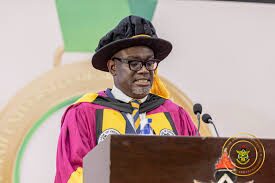
He called for stronger collaboration between universities, government agencies, private industry and international development partners to ensure research findings are translated into commercial products, policy reforms and technologies that address environmental and economic challenges.
Urban Mining Offers New Opportunities
Delivering the keynote address on Urban Mining for Sustainable Metal Recovery, Senior Lecturer in the Department of Materials and Metallurgical Engineering and 2023 OWSD Fellow, Dr. Bennetta Koomson, encouraged participants to rethink traditional approaches to mineral extraction.
She explained that urban mining focuses on recovering valuable metals and other materials from discarded products, industrial residues and waste streams instead of relying solely on conventional mining activities.
“Today’s waste can become tomorrow’s resource,” noting that the growing global demand for critical minerals makes resource recovery increasingly important.”Dr. Bennetta Koomson, Senior Lecturer
Reflecting on her research journey, she explained that her work on mining residues and metallurgical waste inspired her to investigate innovative methods for recovering valuable materials that would otherwise be discarded.
According to her, waste characterisation remains the foundation of successful resource recovery because understanding the composition of waste materials enables researchers to develop efficient recycling and extraction technologies.
She challenged researchers to move beyond simply identifying waste characteristics and focus on developing scalable technologies capable of recovering valuable minerals for industrial use.
Read also:
- Children, elderly, PWDs to receive priority support in flood response – Gender Ministry
- Alajo flood tragedy: Three die from electrocution
- Analyst Predicts More Gains for Resurgent Cedi
- Accra at a Standstill: Floodwaters Expose a City In Crisis
- Ghana Alerts Travellers As South Africa Faces Heightened Protest Security Threats
Dr. Koomson further called on universities to establish dedicated centres of excellence in urban mining and circular economy research to strengthen scientific capacity and accelerate innovation in sustainable resource management.
She also appealed to policymakers to introduce incentives and supportive regulatory frameworks that would make secondary resource recovery commercially attractive and central to Ghana’s sustainable development agenda.
Addressing students and young researchers, she encouraged them to embrace emerging opportunities within the sector.
“The miner of the future may be wearing a laboratory coat rather than a hard hat,”Environmental Protection Agency (EPA) of Ghana
for Collaborative Solutions
The Ashanti Regional Director of the Environmental Protection Agency (EPA), Dr. Jackson Adiyiah Nyantakyi, commended KNUST for its continued contributions to scientific research, technological innovation and industrial development.
He described the university as one of Ghana’s leading institutions in advancing practical research capable of addressing environmental challenges.
Dr. Nyantakyi also expressed concern over rising carbon dioxide emissions and other environmental impacts associated with industrial activities, stressing the need for collaborative action.
He urged universities, regulators and industry to work together in developing practical waste management solutions that protect the environment while supporting economic development.
According to him, waste should increasingly be regarded as a valuable resource capable of creating employment, generating income and promoting environmental sustainability.
Industry Shares Sustainable Practices
Representatives of Intertek Minerals Ghana, Ms. Edwina Quartey, Health, Safety, Security and Environment (HSSE) Officer, and Mr. Samuel Tawiah, Business Development Manager, shared the company’s experience in implementing waste valorisation and circular economy initiatives.
They highlighted ongoing programmes involving plastic recycling, wastewater recovery and the adoption of cleaner production technologies to improve environmental performance across the company’s operations.
“Effective waste valorisation creates opportunities to recover valuable resources from waste streams while reducing environmental risks and supporting the transition towards more sustainable mining practices.”Ms. Edwina Quartey, Health, Safety, Security and Environment (HSSE) Officer
The company also outlined efforts to recover valuable metals from used laboratory materials while integrating solar energy into its operations as part of broader sustainability initiatives.
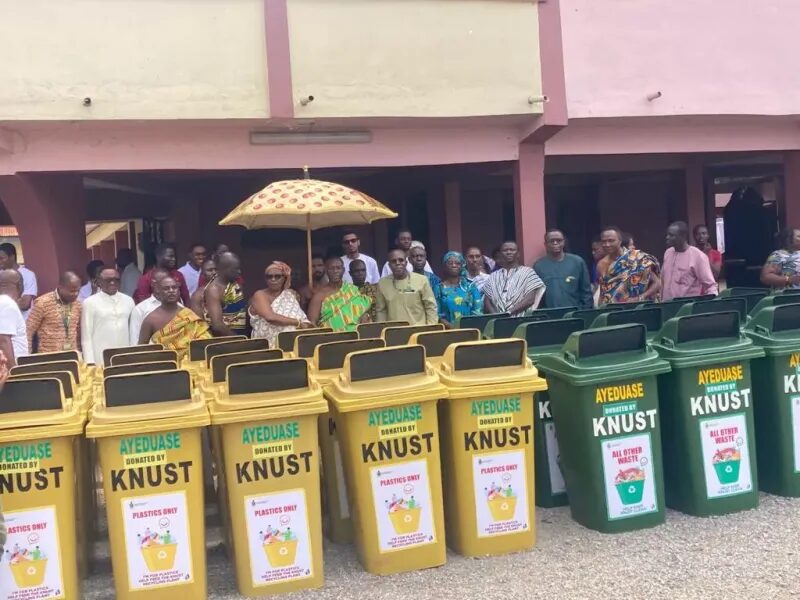
According to the representatives, adopting circular economy principles enables mining companies to reduce waste generation, improve resource efficiency and lower operational costs while meeting environmental standards.
Advancing a Circular Economy
The conference concluded with a renewed call for increased investment in research, innovation and cross sector collaboration to unlock the economic potential of mineral and industrial waste.
Delegates agreed that transforming waste into valuable resources will require sustained partnerships between academia, government, industry and development organisations, supported by enabling policies and investment in modern technologies.
They noted that strengthening research in waste valorisation and urban mining could help Ghana reduce environmental degradation, improve resource efficiency and create new economic opportunities within the mining and manufacturing sectors.
The conference further reaffirmed KNUST’s commitment to advancing research that delivers practical solutions to national development challenges while positioning Ghana as a leader in sustainable mining, circular economy practices and responsible resource management.