Els: MBN360 SPORTS
Two of the nations set to welcome the football world in 2030 will temporarily set aside their future partnership on Monday as Portugal and Spain clash in one of the standout fixtures of the 2026 FIFA World Cup Round of 16.
The Iberian neighbours meet at the Dallas Stadium in Texas with far more than regional pride on the line. A place in the quarter-finals awaits the winner, who will face either co-hosts the United States or Belgium in Los Angeles on 10 July, to keep alive hopes of lifting football’s biggest prize.
Portugal are yet to lift the ultimate on the World stage while Spain, one-time champions, won in 2010 in South Africa but have struggled to replicate that form at the Mundial since then. They haven’t gone past the Round of 16 stage for sixteen years and this encounter provides an opportunity for La Rojas to break their duck.
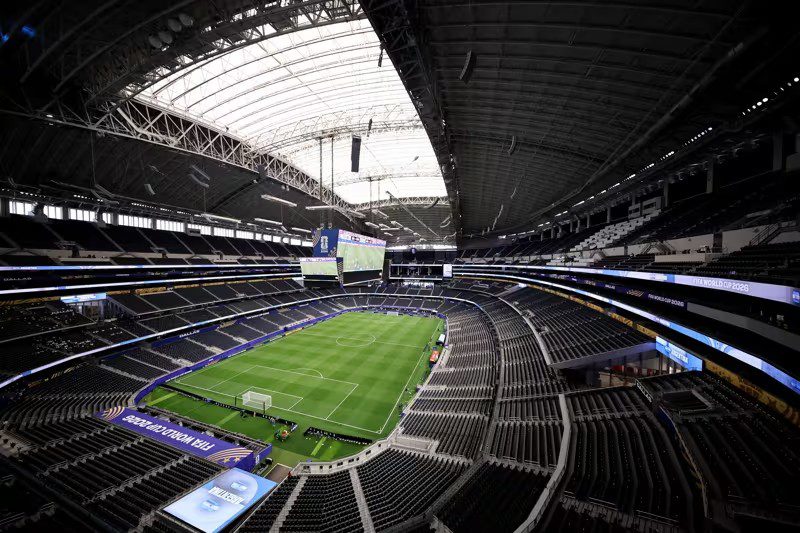
While Portugal have battled through the tournament with resilience rather than fluency, Spain arrive in Dallas carrying the momentum of a side that appears to be peaking at exactly the right moment. Both teams remain unbeaten in the competition, setting up a contest between contrasting styles and generations of talent.
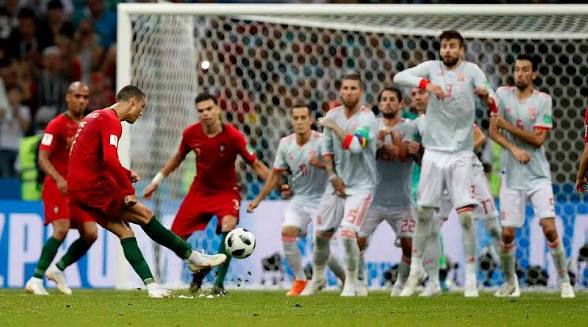
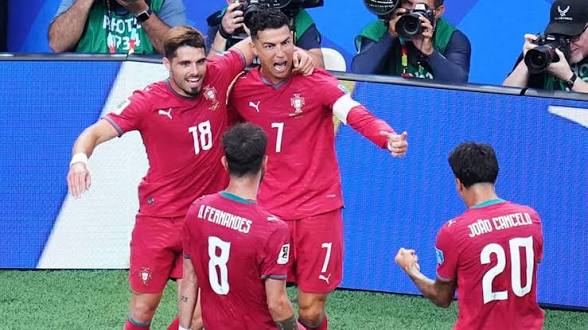
The meeting also revives one of international football’s most compelling rivalries. Their most recent World Cup encounter came in Russia in 2018 when Cristiano Ronaldo produced one of the tournament’s defining performances, scoring a stunning hat-trick, including a spectacular late free-kick, to rescue a dramatic 3-3 draw.
More recently, Portugal edged Spain on penalties in last year’s UEFA Nations League final after an entertaining 2-2 stalemate, adding another chapter to a rivalry that rarely disappoints.
Spain’s Defensive Steel Meets Portugal’s Big-Game Experience
Spain have quietly built one of the tournament’s most impressive records after a slow start. Following an opening goalless draw with Cabo Verde, Luis de la Fuente’s side responded emphatically with victories over Saudi Arabia and Uruguay before brushing aside Austria 3-0 in the knockout stage.
Remarkably, La Roja are yet to concede a goal at this World Cup, underlining the defensive organisation that has complemented their trademark possession-based football.
Read also:
- Jubilee Oil Field Recovery Raises Fresh Hopes for Ghana’s Petroleum Revenues
- Minority Call to Sack AG Over GH¢350m Flood Fund Disbursement Baseless, Kwakye Ofosu
- Cina Soul Set to Light Up Spirit Festival in Pokuase Celebration
- Minority’s Opposition To Tribunals Bill Misguided, Vanderpuye Says
- President Mahama convenes National Security Council to strengthen flood mitigation measures
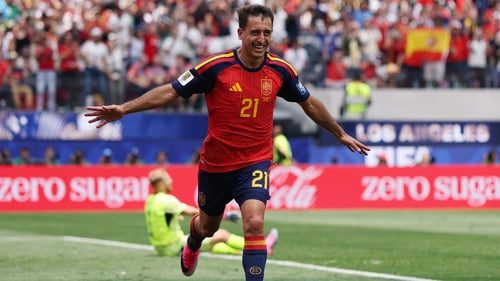
Their dominance extends beyond results. Spain did not allow Austria a single shot on target in the previous round, becoming the first team since Germany in 2014 to achieve that feat in a World Cup knockout match. That defensive solidity, combined with the creativity of youngsters such as Lamine Yamal and the finishing touch of Mikel Oyarzabal, has strengthened their credentials as genuine title contenders.
Portugal’s route has been less convincing. Roberto Martínez’s men finished second in Group K after drawing with DR Congo and Colombia before defeating Uzbekistan. They then survived a difficult examination against Croatia, progressing with a hard-fought 2-1 victory that exposed their resilience.
History Suggests Another Tight Contest
The historical numbers favour Spain, but only narrowly in recent years. Across 41 previous meetings, Spain have recorded 18 victories compared to Portugal’s seven, while 16 encounters have ended level. However, the balance has shifted considerably in modern times, with four of the last eight meetings ending in draws and each side claiming two wins.
That trend reflects how evenly matched the neighbours have become. Spain may boast the stronger overall record, yet Portugal have developed a knack for rising to the occasion in knockout football, as demonstrated by their Nations League triumph and their ability to eliminate 2018 FIFA World Cup finalists Croatia despite an uneven performance.
Monday’s showdown also presents a symbolic clash between eras. Ronaldo, playing in his final World Cup of his remarkable career, leads a Portuguese side still heavily reliant on his experience and leadership. Standing opposite him is Yamal, whose emergence has injected Spain with youthful energy and unpredictability, making him one of the tournament’s breakout stars.
Quarter-Final Prize Adds Extra Edge
Beyond the prestige of the Iberian rivalry lies a favourable path into the latter stages of the tournament. Victory would send either Portugal or Spain to Los Angeles for a quarter-final against either the United States or Belgium, bringing the prospect of a semi-final within touching distance.
For Portugal, the match represents an opportunity to prove they remain capable of competing with Europe’s elite despite questions surrounding their consistency. For Spain, it is a chance to convert impressive performances into tangible progress and continue a tournament in which they have steadily grown stronger.
Dallas is therefore set to host far more than another meeting between neighbouring nations. It will stage a contest between two future World Cup hosts, two contrasting footballing philosophies and two teams convinced they possess the quality to challenge for the biggest prize in international football.
Only one, however, will leave Texas with their dream intact.