ELS: MBN360 NEWS
The Former DRIP Coordinator, Nii Lantey Vanderpuye has argued that the Minority’s opposition to the Tribunals Bill does not align with the constitutional provisions that recognise tribunals as part of Ghana’s judicial system. He stated that the ongoing debate must be examined within the context of the country’s legal framework and the role of public participation in justice administration.
Mr Vanderpuye explained that Ghana’s Constitution provides for the establishment of tribunals as part of the lower courts that Parliament may create through legislation. He indicated that the presence of tribunals within the constitutional structure means their reintroduction remains a lawful process.
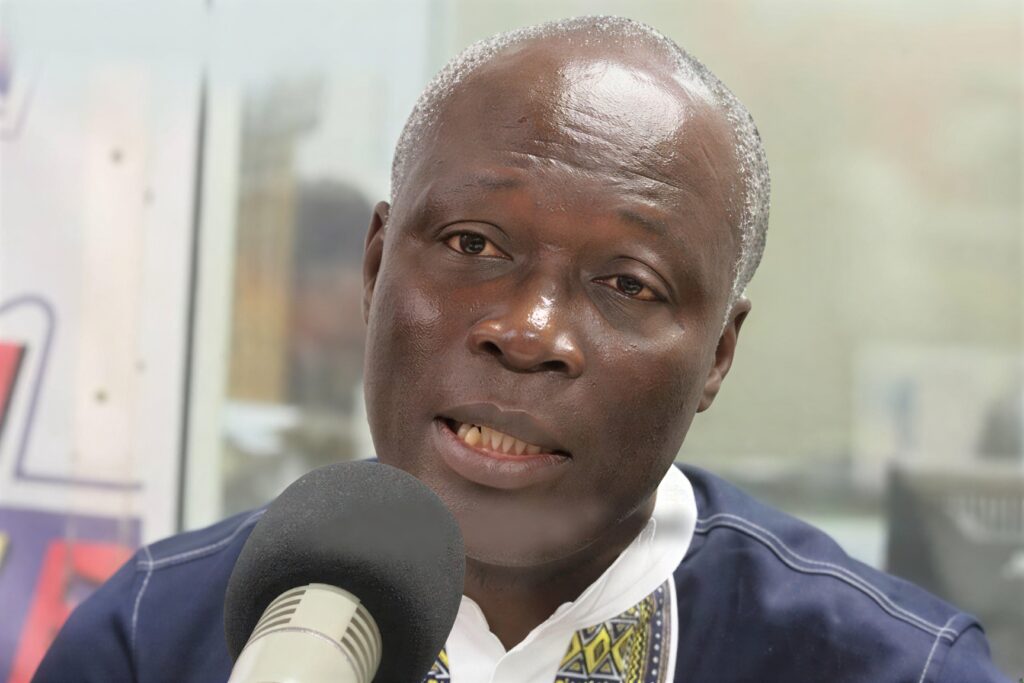
The Former DRIP Coordinator said the Minority’s position on the matter appeared driven by political considerations instead of the constitutional arrangements that guide the judiciary. He stated that tribunals have historically formed part of Ghana’s justice system and continue to have legal recognition.
He referenced Article 126 of the 1992 Constitution, which outlines the composition of the judiciary and includes tribunals among the courts that Parliament can establish. He explained that removing tribunals from active use does not eliminate their constitutional existence.
“Tribunals are constitutional. Popular participation is also part of our judicial administration. In 2000, during the Kuffour Administration, the current Minority threw away tribunals.”Nii Lantey Vanderpuye
He added that judicial administration in Ghana allows participation from qualified professionals and ordinary citizens through established mechanisms. According to him, the involvement of citizens in justice delivery supports the democratic character of the legal system.
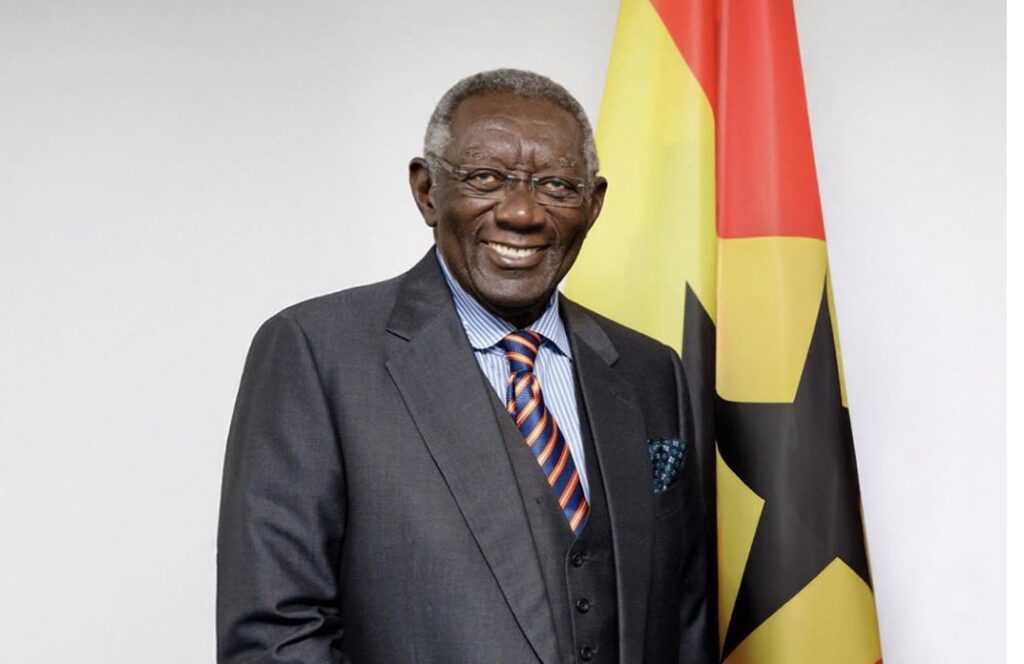
Additionally, Mr Vanderpuye argued that previous decisions to discontinue tribunals did not remove their relevance within the Constitution. He pointed to the administration of former President John Agyekum Kufuor as a period when tribunals were removed from active judicial operations.
The Former Coordinator noted that constitutional institutions remain valid until formal amendments are made through the appropriate review process. He stated that changes to constitutional structures must follow legal procedures instead of political decisions.
He added that the current discussion surrounding tribunals should focus on their purpose within justice delivery. He explained that the system was created to expand access and strengthen participation in the administration of justice.
Mr Vanderpuye further stated that the Attorney General’s appearance before Parliament to defend the Tribunal Bill demonstrated the importance of legislative scrutiny on the matter. He said the debate provides an opportunity for lawmakers to examine how the proposed framework can support the judiciary.
Read also:
- Community Led Climate Action Deserves Stronger Policy Support -Rt. Hon. Bagbin
- Oil Production Decline Hits Ghana’s Petroleum Revenues
- Google probed by Swiss regulator over Android default search feature
- Petroleum price floors increased for the second half of 2026 July pricing window.
- Ato Forson to Present 2026 Mid-Year Budget Review July 23
Tribunals Could Speed Up Justice Delivery Across Ghana
The introduction of tribunals has been linked to efforts aimed at improving the speed and efficiency of justice delivery in Ghana. Nii Lantey Vanderpuye has stated that the system could help address delays within the traditional courts and provide additional avenues for resolving specialised cases.
The Former DRIP Coordinator explained that successive governments have invested in improving judicial infrastructure because effective justice administration requires adequate support systems. He recalled that Parliament previously approved the use of resources from the District Assemblies Common Fund to support the construction of court facilities and accommodation for judges.
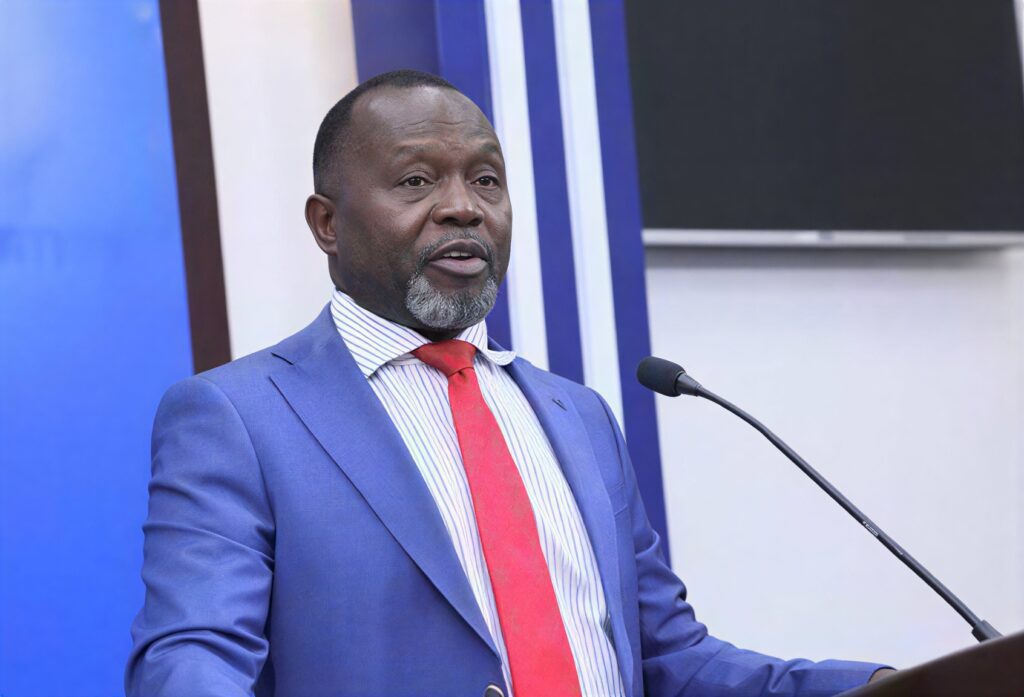
He noted that such investments demonstrated a national commitment to strengthening the judiciary. Mr Vanderpuye explained that improving court infrastructure formed part of wider efforts to ensure citizens have better access to justice.
Furthermore, he stated that delays associated with litigation have created difficulties for many people seeking legal remedies. He explained that lengthy processes often increase costs and create challenges for parties involved in court cases.
Mr Vanderpuye referenced remarks made by the Chief Justice during his appearance before the Parliamentary Appointments Committee regarding the need to reconsider tribunals. He said the Chief Justice identified areas including corruption, Public Accounts Committee matters, environmental degradation and illegal mining as issues that could benefit from specialised tribunals.
“Tribunals will help to ensure speedy justice delivery and reduce pressure on the traditional courts.”Nii Lantey Vanderpuye
He explained that specialised tribunals would allow certain cases to be handled within specific timelines. He added that reducing the workload of the traditional courts would enable judges to dedicate more attention to other matters before them.
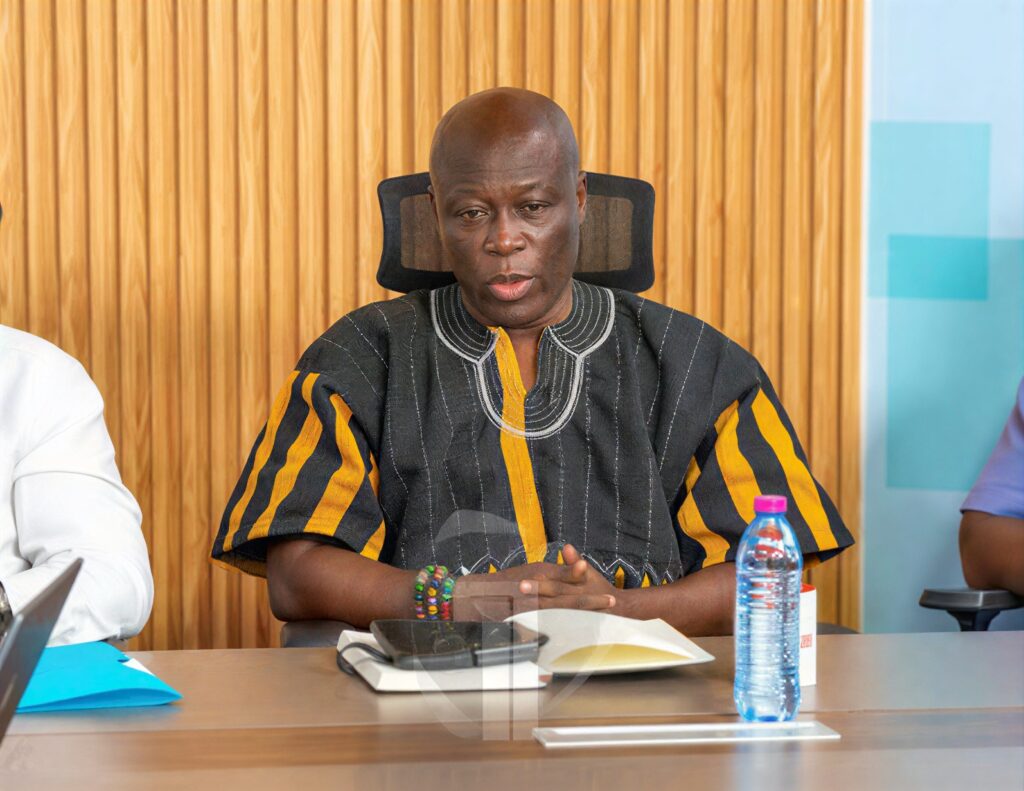
Additionally, Mr Vanderpuye highlighted the importance of expanding public participation in justice administration through the jury system. He explained that ordinary citizens can contribute to justice delivery when mechanisms are created for their involvement.
He stated that justice is not limited to the work of professionally trained lawyers and judges alone. He noted that some judicial officers develop expertise through experience and specialised training within the legal system.
Moreover, he explained that tribunals could strengthen confidence in justice institutions by creating opportunities for wider involvement. He added that the system would complement existing courts while supporting efficient case management.