Els: MBN360
The latest IMANI PULSE report has examined how Ghana’s political conversation evolved in June 2026, revealing a growing focus on personalities over substantive policy issues.
Rather than simply measuring whether political conversations trend positive or negative, the report digs into the substance of public discourse, identifying whether digital political engagement is primarily driven by policy issues, institutional performance, or personality centred narratives.
To capture this distinction, the report introduces what it calls the Substance Index, a measure evaluating the balance between policy focused and personality driven political conversations.
Policy discussions, as defined by the report, include debates around legislation, institutional reforms, public programmes, governance systems, and policy outcomes. Personality discussions, by contrast, focus primarily on political leaders, party competition, electoral positioning, credibility, and partisan identity.
Scope and Scale of the Analysis
Over the 30 day period ending June 30, 2026, IMANI analysed 1,797 political mentions across Ghana’s digital information ecosystem. The analysis covered several key thematic areas, including governance and law, foreign policy, the economy, infrastructure, education, elections, and anti-corruption.

Among these themes, foreign policy generated the highest volume of discussion, recording 321 mentions. Yet only 102 of those conversations, representing 33 percent, focused mainly on foreign policy issues themselves.
The remaining 203 conversations, or 67 percent, were driven instead by political personalities and partisan narratives, illustrating the broader pattern the report identifies across Ghana’s political discourse.
Foreign Policy Conversation Splits Along Political Lines
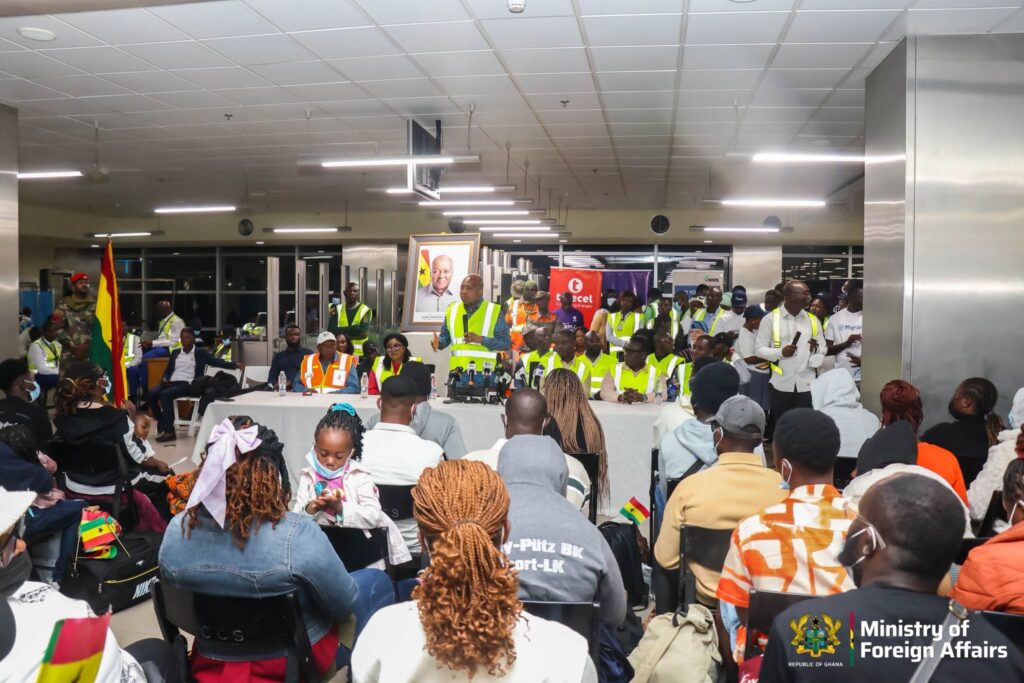
Within the foreign policy discussion, supporters of President John Dramani Mahama presented a recent evacuation operation as evidence of responsive leadership and effective governance.
Returnees expressing gratitude toward the President reinforced this narrative, with supporters arguing the operation demonstrated government commitment to citizens abroad.
Kennedy Agyapong also featured prominently in this conversation following his visit to welcome returning evacuees at the airport. His comments encouraging returnees to rebuild their lives generated approximately 889 engagements and positioned him positively among some audiences.
Dr. Mahamudu Bawumia’s presence in the foreign policy conversation remained comparatively limited. Most references to him focused not on the evacuation itself but on broader opposition narratives questioning President Mahama’s leadership, particularly in relation to recent flooding.
Read also:
- Treasury bill auction attracts GH¢10bn in bids, oversubscribed by 77%
- Decolonise Ghana’s curriculum – Former NaCCA DG to gov’t
- Failed Leadership Behind Ghana’s Recurring Flood Crisis – Archbishop Duncan-Williams
- Miracles Aboagye and others are being probed over alleged misappropriation of GHS55m – EOCO
- Bono Region records 1,145 new HIV infections from January to May 2026
Economy Emerges as Most Substantive Discussion
Economic issues generated 300 mentions, making the economy the second most discussed thematic area during the reporting period. Unlike most other policy areas tracked in the report, economic discussions recorded the strongest substantive engagement, achieving a Substance Index of 0.54, notably higher than other themes analysed.
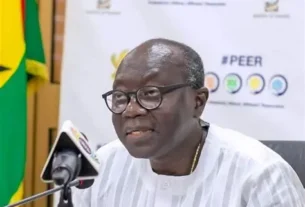
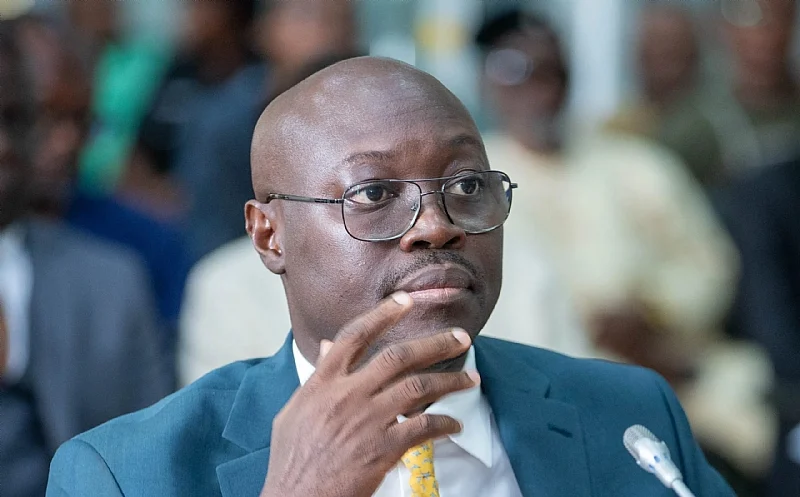
Finance Minister Dr Cassiel Ato Forson emerged as the dominant personality within economic discussions. His critics challenged the government’s economic management, questioning whether sufficient resources existed to meet public obligations.
Former Vice President Mahamudu Bawumia appeared less frequently in economic discussions, with his references mainly coming through party supporters who positioned him as a stronger alternative for addressing challenges within Ghana’s cocoa sector.
Infrastructure Debates Turn to Leadership Rather Than Engineering
Kennedy Agyapong also became central to discussion on infrastructure following comments about a hospital project. Supporters argued his remarks were misunderstood, while critics questioned his record in public office and used the issue to challenge his leadership credentials.
The report notes that rather than focusing primarily on engineering solutions, procurement processes, financing arrangements, and maintenance strategies, infrastructure debates often become arguments about leadership, accountability, and political history.
Dennis Miracles Aboagye, Communications Director for Dr. Mahamudu Bawumia, criticised President Mahama’s handling of flooding during this period, describing him as a weak and distracted leader.

Bawumia Ba Arrest Becomes Biggest Governance Story
The biggest governance-related story during the period involved the arrest and subsequent bail of the NPP-affiliated TikTok commentator known as “Bawumia Ba.” The issue generated approximately 28,947 engagements, making it one of the most widely discussed political events across all monitored themes.
Although the incident raised important questions about due process, political expression, and law enforcement, the report found that public discussion focused largely on political symbolism and partisan identity rather than institutional reform, reinforcing the broader personality driven pattern identified throughout the study.
Mahama and Bawumia Show Contrasting Substance Scores
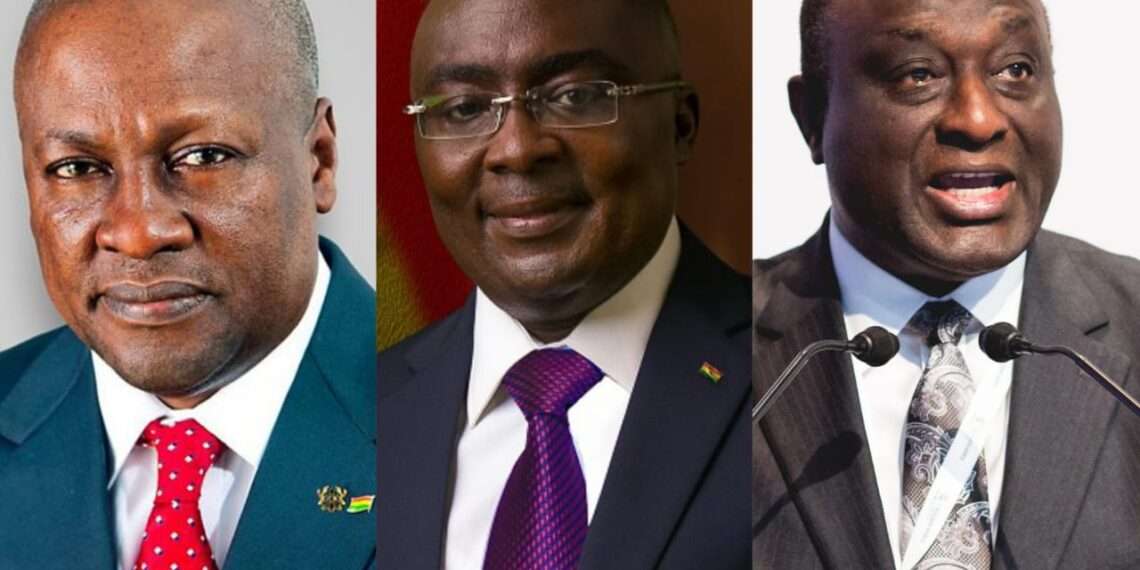
The report’s findings suggest that while President Mahama generated the strongest policy related conversation among major political figures monitored, his public discussion remained largely shaped by broader debates about leadership performance, credibility, and political evaluation rather than policy substance alone.
Dr. Mahamudu Bawumia generated the second highest volume of discussion among political figures tracked, recording 404 mentions. His sentiment score stood at negative 0.16, indicating a generally negative public conversation surrounding him.
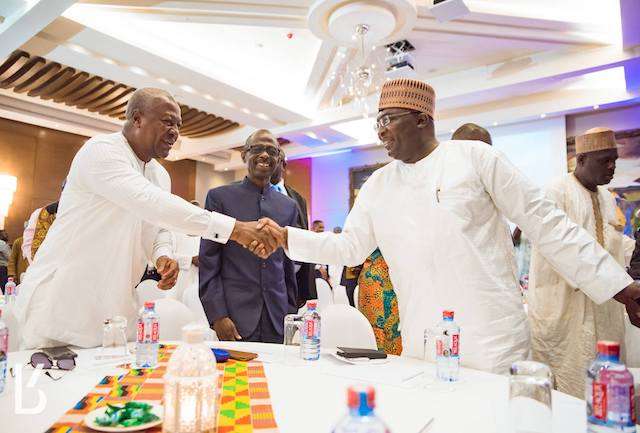
This produced a Substance Index of approximately 0.14 for Bawumia, placing him among the least policy focused figures monitored in the entire report. The June 2026 edition of IMANI Pulse ultimately reveals a Ghanaian digital political environment that is highly active, deeply contested, and increasingly shaped by political personalities.
The data show that citizens remain strongly engaged with governance issues, public policies, and national developments. However, the report concludes that these discussions are frequently filtered through partisan identity, leadership contests, and political competition rather than sustained engagement with policy substance itself.