ELS: MBN360 AFRICA NEWS
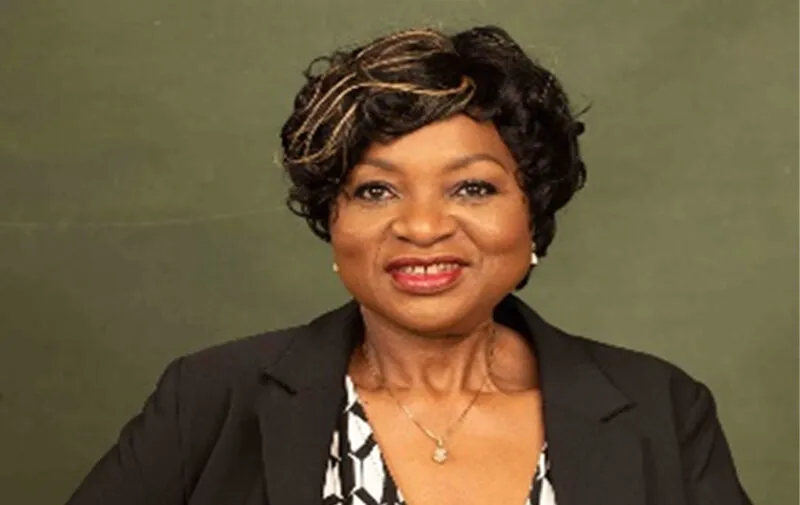
Africa cannot competitively refine copper, process lithium, produce aluminium, manufacture battery materials or develop green steel if electricity remains unreliable or prohibitively expensive, the Interim Director-General of the African Minerals Development Centre (AMDC) of the African Union, Ms Claudine Sigam, has warned.
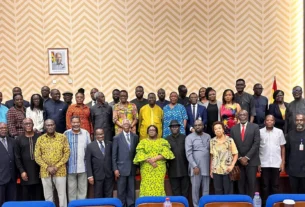
Ms Sigam made the remarks at the 2026 Future of Energy Conference (FEC) in Accra, organised by the Africa Centre for Energy Policy (ACEP).
According to her, the conversation around energy on the continent must shift from merely increasing generation capacity to considering the kind of productive economy Africa wants to build.
“We can’t decarbonise it. We cannot competitively refine copper, process lithium, produce aluminium, manufacture battery materials, or develop green steel if electricity is unreliable or prohibitively expensive,” she said.
“So the question should not simply be, ‘How much electricity can we generate?’ It should be, ‘What productive economy do we want to build, and what energy system will make it competitive?’ Energy policy must therefore become part of industrial policy,” she added.
Ms Sigam said success should not be measured only by megawatts installed, but also by the industries created, minerals processed, enterprises developed and jobs generated.
She noted that competitiveness alone was no longer sufficient, as strategic markets were increasingly being shaped by standards, environmental, social and governance (ESG) requirements, traceability and eligibility conditions.
“Africa must therefore not only meet emerging rules but increasingly help shape them. Those who shape standards shape markets. Those who define eligibility increasingly define access,” she said.
This, she explained, was where the African Minerals Development Centre intended to play an important continental role by helping to connect mineral strategies, energy systems, regional value chains and market opportunities.
Read also:
- Sarkodie Sets Rapperholic 2026 for Kumasi Stadium October
- King Promise and Mr Eazi Earn Headies Collaboration Nomination
- KiDi Teams with Arathejay on Lonely Track Thursday
- World Marks Twenty-Five Years Since Aaliyah’s Tragic Passing
- NSMQ 2026: One-Eighth stage beckons as 81 schools chase national glory
She emphasised the need for regional industrial ecosystems, arguing that mineral resources, energy, processing and manufacturing capacities were unevenly distributed across the continent.
“A mineral may be in one country, competitive energy in another, processing in a third, and manufacturing elsewhere. We must therefore move from isolated mines and fragmented national projects to regional industrial ecosystems, connecting minerals, energy, infrastructure, processing, manufacturing, and markets,” Ms Sigam said.
According to her, the African Continental Free Trade Area (AfCFTA) could become truly transformational if properly leveraged.
“The AfCFTA should not simply help Africa trade more; it should help Africa produce more, produce together,” she said.
Ms Sigam also called for a redefinition of how investment success is measured on the continent.
“Success cannot be measured only by how much capital enters Africa or how much minerals leave Africa. We must also ask: what value is created locally? What African capabilities are built? What African enterprises participate?” she asked.
She warned that the global energy transition was reshaping industries and supply chains, adding that decisions taken today would influence where the factories and jobs of tomorrow would be located.
“Africa cannot afford to enter this new economy principally as a source of raw minerals. At AMDC, our message is clear: African mineral wealth must become a source of industrial capability and ecosystem power,” she stressed.
“We must move from extracting minerals to producing materials, from producing materials to competing in markets, and from market participation to building African industry. That transformation requires competitive energy to power production, regional integration to create value, and partnerships that build African enterprises’ skills and productivity,” Ms Sigam concluded.