
ELS: MBN360 SPORTS
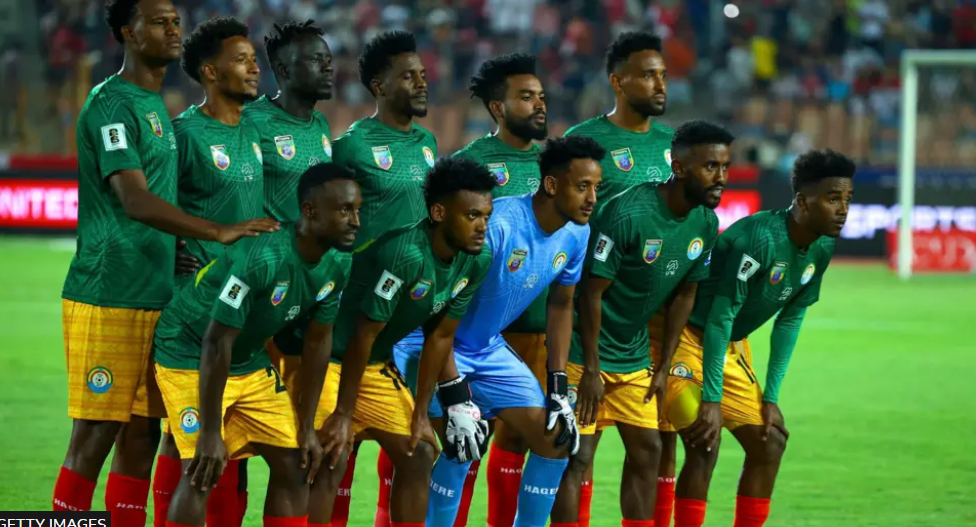
Ethiopia has officially submitted a bid to host the 2028 Africa Cup of Nations. The Ethiopian Football Federation stated that its government-backed proposal affirms “the nation’s full readiness to host Africa’s biggest footballing event.”
The country boasts a rich tournament history as one of only three nations to compete in the inaugural competition in 1957. Ethiopia previously staged the tournament three times in 1962, 1968, and 1976. The national team even lifted the trophy on home soil during the 1962 tournament.
However, the Walia Ibex currently rank 143rd globally and 43rd in Africa. They have qualified for the continental showcase only three times since they last hosted. Their most recent appearance occurred at the 2021 edition. They finished at the bottom of their group without a win against Cameroon, Burkina Faso, and Cape Verde.
The squad recently defeated Sao Tome and Principe in the preliminary round of qualifiers. They now face Senegal, Mozambique, and Sudan in Group J.
Stadium Infrastructure Challenges
A major question surrounds whether Ethiopia possesses enough compliant venues to host a 24-team tournament across multiple cities. The nation currently features just one stadium approved by the Confederation of African Football. That facility is the 52,000-seat Bahir Dar Stadium located in the northern part of the country.
A new international sports complex is currently underway in the capital. The 62,000-capacity Adey Abeba International Stadium in Addis Ababa is expected to be completed next year. This venue could provide a primary location for the matches.
Three other proposed regional facilities remain at much earlier stages of development. They require substantial work to meet strict requirements in time.
Many existing regional facilities fail to meet Confederation of African Football or FIFA standards regarding infrastructure and overall match-day requirements. Ethiopia previously played its home qualifiers for the 2026 FIFA World Cup at neutral venues in Morocco and Rwanda. The team did successfully host matches in Dire Dawa earlier this year.
Read also:
- We can’t competitively refine copper if electricity is unreliable – AMDC boss
- Sarkodie Sets Rapperholic 2026 for Kumasi Stadium October
- King Promise and Mr Eazi Earn Headies Collaboration Nomination
- KiDi Teams with Arathejay on Lonely Track Thursday
- World Marks Twenty-Five Years Since Aaliyah’s Tragic Passing
Broader Logistics and Security Concerns
Hosting a modern continental tournament requires much more than just upgraded stadiums. Organizers must provide adequate training facilities, gyms, high-quality accommodation, and entertainment venues. Reliable urban transport systems are equally vital for moving teams and fans smoothly.
Security represents another critical hurdle for the bid. While the capital city remains comparatively safe, several regional parts of the country continue to experience armed conflict and political unrest. Addressing these multifaceted security challenges alongside strict infrastructure mandates will dictate the success of the 2028 bid.
Regional Competition and Wider Landscape
The Confederation of African Football president Patrice Motsepe announced last month that the organization received exciting bids for the 2028, 2032, and 2036 tournaments. The competition will transition to a four-year cycle following the 2028 edition.
Regional rivals have also entered the race. Botswana, Namibia, South Africa, and Zimbabwe announced a joint Southern African bid for the 2028 finals earlier this year. Reports suggested Morocco might stage the tournament again after hosting the 2025 edition. However, the kingdom is instead focusing on preparations to co-host the 2030 FIFA World Cup.
Meanwhile, Burkina Faso, Mali, and Niger expressed interest in co-hosting the 2032 tournament. The upcoming 2027 Africa Cup of Nations is scheduled to take place in Kenya, Tanzania, and Uganda. That event will bring the competition back to East Africa for the first time since Ethiopia hosted it in 1976.
Balancing Ambition with Regional Realities
While the path ahead demands rigorous execution on logistical and security fronts, a successful bid could profoundly revitalize East Africa’s sporting legacy on the global stage.