ELS: MBN360 NEWS
The United States has formally notified Ghana that it is willing to work on reparatory justice despite voting against the landmark United Nations resolution in March, Foreign Minister Samuel Okudzeto Ablakwa has disclosed.
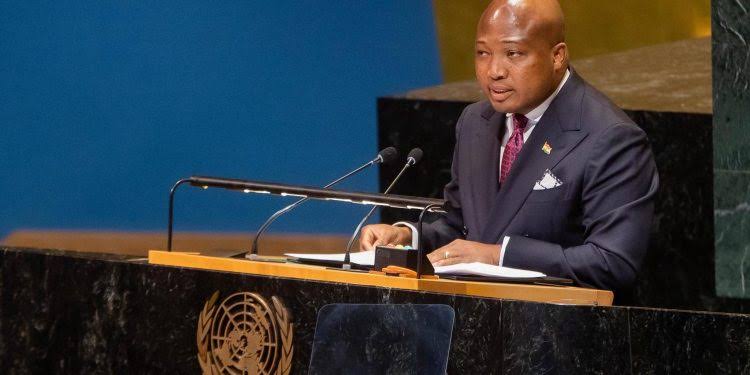
He announced this at the “Next Steps” high-level side event on the sidelines of the 81st United Nations General Assembly in New York, co-hosted by Ghana with Germany and France. The high-profile gathering focused on the theme: “From Commitments to Action on Reparatory Justice: Advancing International Cooperation for the Return and Restitution of Cultural Properties and Heritage.
Hon Ablakwa said nearly every European country that abstained from the vote has since approached Ghana offering cooperation, with the United Kingdom the most recent to communicate formally. He presented the shift as an answer to critics who predicted the resolution would divide the international community rather than heal it.
Washington’s Formal Notice
The American position is the most striking of the disclosures, given how the vote went. Resolution A/RES/80/250, adopted on 25 March 2026 by 123 votes to three, was opposed by the United States, Argentina and Israel, with Washington describing it at the time as highly problematic and rejecting any legal right to reparations for historical wrongs.
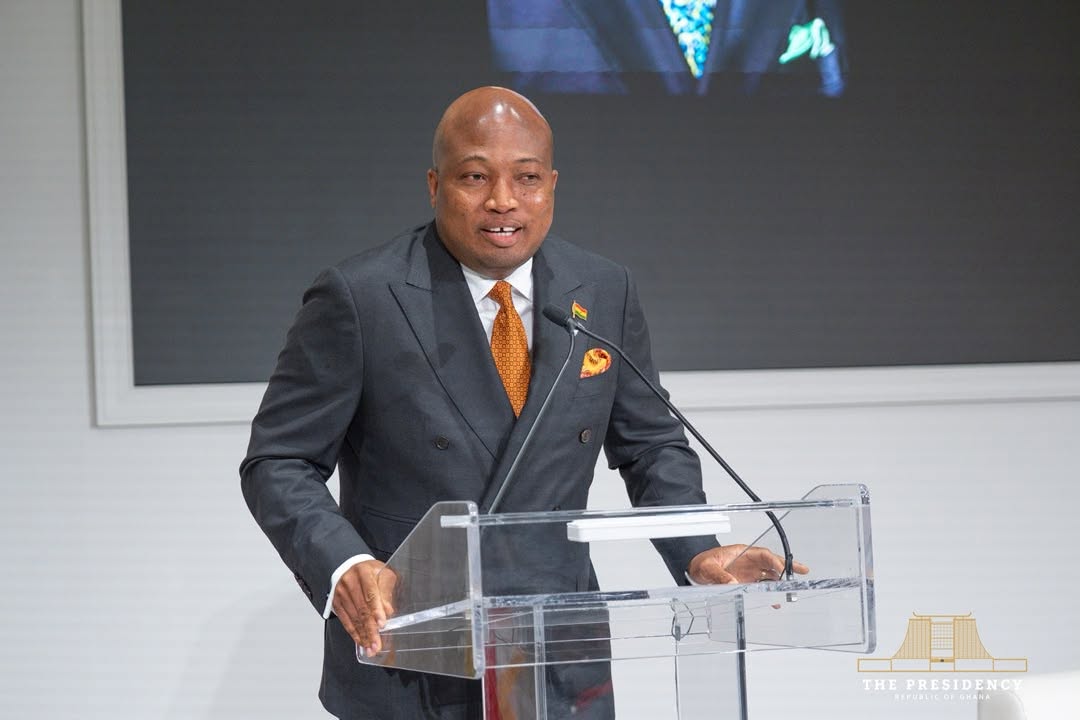
Hon Ablakwa told the gathering that position has softened in practice. “We have received formal notice from the United States of America that even though they voted against this resolution, they are willing to begin to work with us towards that fair and just world we all seek.”
He offered no detail on the form that cooperation might take, and the notice appears to be a diplomatic communication rather than a change in the American legal position.
The Abstainers Return
The 52 abstentions in March included the entire European Union bloc, along with Canada, Australia and Japan. Ablakwa said that bloc has not stayed at a distance.
“Virtually all the European countries that abstained during the vote have reached out and have said they are going to work with us on this journey,” he said, naming the Netherlands, Denmark and the United Kingdom as present in the room and describing Britain as the latest to make its position official.
The presence of Germany and France as co-hosts carries its own weight, since both abstained in March yet agreed within six months to put their names to an event on returning cultural property.
A Rebuttal To The Sceptics
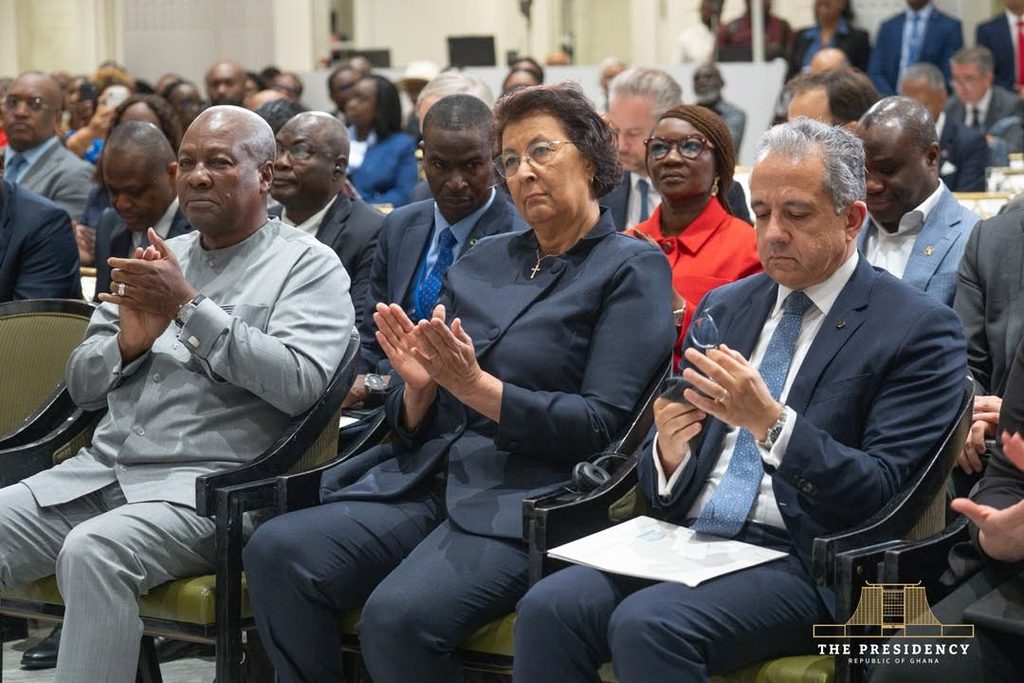
Hon Ablakwa used the composition of the room as an argument. There were many sceptics and alarmists, he said, who warned that the resolution would divide the world and bring rancour and acrimony.
“This is not an effort to open old wounds, but rather we seek genuine healing,” he said, describing the objective as a world without racism, without discrimination and without the enduring consequences of transatlantic enslavement.
Read also:
- Waste Management Reform: Local Government Ministry, IMANI Back Two-Bin System
- 2027 AFCON: GFA petitions CAF over ticket shortage for Ghana fans in Bouaké
- “Why would an MP who knows nothing about football think he is an expert?”– Kurt Okraku.
- 2027 AFCON: Illiasu Shilla worried over Black Stars’ injury woes ahead of Côte d’Ivoire test
- National Sports College begins renovation of four tennis courts
He acknowledged the difficulty ahead, calling the subject emotive and warning that parts of the journey will require honest but tense discussions. His case for proceeding rested on a generational argument. Those who perpetrated the crimes are dead and gone, he said, leaving the living to build the world they want.
He also assured participants that the Ghana-led effort carries no hidden agenda, and credited President John Dramani Mahama, who chairs the Global Advisory Panel on Reparatory Justice established after the Accra conference in June.
Restitution As The First Step
The event’s specific business was cultural property, which Hon Ablakwa described as one of the pillars of the Accra Next Steps Commitment adopted in June by delegates from more than 80 states.
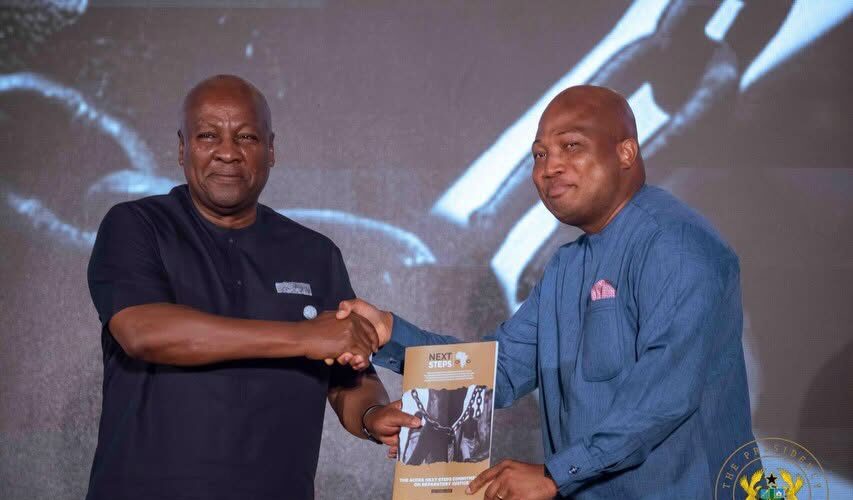
He framed the objects held in European and American museums and private collections in terms that went beyond property. “They represent our soul. They represent our spirit, our humanity, our culture, our heritage,” he said, arguing that they should be returned to the motherland.
France, Germany and the Netherlands have publicly pledged willingness to return artefacts in their possession, and he called on other countries to follow.
The Legal Obstacle And An American Precedent
The obstacle he identified is statutory rather than political. Several countries have laws that prevent museums from transferring items out of national collections, which leaves goodwill without a mechanism.
Hon Ablakwa argued that such laws can be changed, citing France’s repeal of its existing restriction and a recent American law he attributed to President Donald Trump providing for the return of artefacts belonging to Jews regardless of whether they sit in museums or private collections.
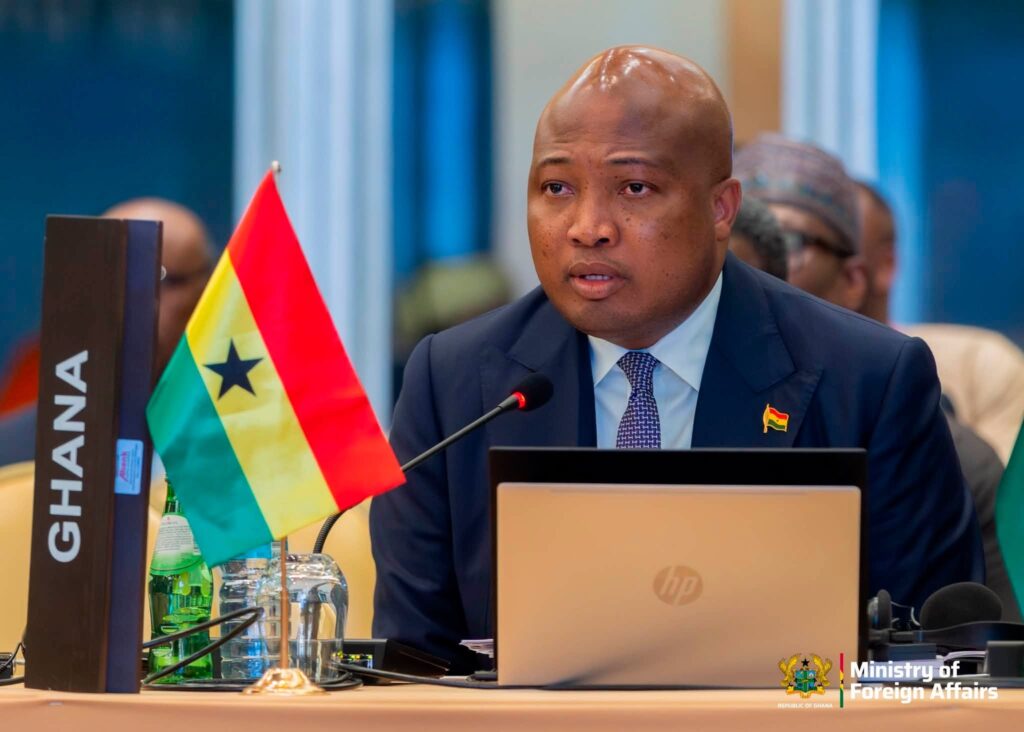
“We are also deserving of the same principle,” he said, arguing that the same rules should apply to African claims. That comparison is the sharpest instrument Ghana has deployed so far, because it moves the argument from moral appeal to consistency.
A state that legislates for the restitution of one community’s looted heritage finds it harder to explain why another’s cannot follow the same route.
What the outreach amounts to will be measured in objects and statutes rather than statements. Expressions of willingness have accumulated steadily since March, but the Expert Panel on the Restitution of Cultural Heritage now needs national laws amended and specific items identified, returned and received.
Until that happens, the diplomatic warmth Hon Ablakwa described remains a promising beginning rather than a result.