ELS: MBN360 WORLD
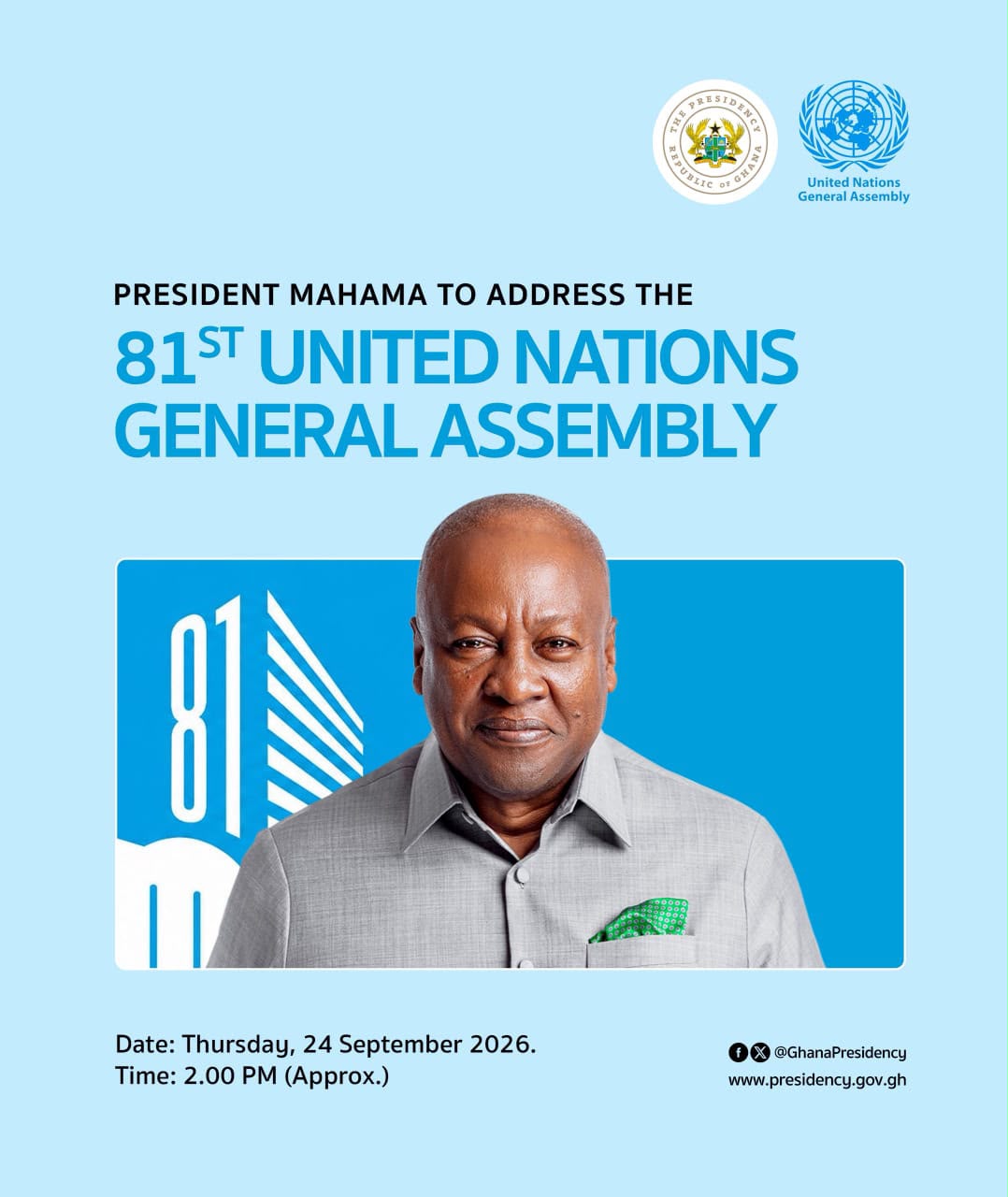
As the 81st United Nations General Assembly enters its high-stakes general debate under this year’s guiding theme, “Restoring Trust, Managing Transformation: A United Nations that Delivers for All”, all eyes are turning toward Accra. In just a few hours, Ghanaian President John Dramani Mahama will take the podium at the UN General Assembly Hall to deliver Ghana’s official national statement.
Coming on the heels of a high-intensity week of diplomatic maneuvering, high-level report launches, and economic advocacy in New York, today’s address is widely anticipated to be one of the most consequential speeches of this year’s assembly.
The Architecture of a New Global Bargain
President Mahama’s address is expected to synthesize the core tenets of the Accra Reset, a transformative political and economic doctrine designed to fundamentally alter how developing nations engage with international aid, global health governance, and trade architecture. Having spent the earlier part of the week convening world leaders for high-level dialogues—including launching the landmark report A Sovereign Future for Health alongside figures like former UK Prime Minister Gordon Brown and global development leaders—Mahama is set to challenge the UN assembly on systemic global inequalities.
Pragmatic Interdependence Over Donor Dependency
At the heart of today’s address is the firm declaration that the Global South is no longer asking for charity, but demanding equal partnerships built on mutual accountability. Mahama’s doctrine rests on his defining thesis that there can be no ownership without control, and no control without absolute accountability. Rather than pleading for donor magnanimity, the Ghanaian leader is emphasizing that true sovereignty requires economic autonomy and transparent domestic governance.
Structural Reform of Global Health and Finance
Building directly on the Accra Reset panel recommendations, the Ghanaian leader will push for localized pharmaceutical manufacturing, state-guaranteed supply chains, and robust debt relief mechanisms to insulate emerging economies from external shocks. By highlighting maternal and child health initiatives alongside broader regional supply networks, Mahama is shifting the conversation from vague diplomatic promises to concrete, execution-focused health security.
Read also:
- US, UK And Denmark Back Ghana’s Reparatory Justice Drive, Says Ablakwa
- Waste Management Reform: Local Government Ministry, IMANI Back Two-Bin System
- 2027 AFCON: GFA petitions CAF over ticket shortage for Ghana fans in Bouaké
- “Why would an MP who knows nothing about football think he is an expert?”– Kurt Okraku.
- 2027 AFCON: Illiasu Shilla worried over Black Stars’ injury woes ahead of Côte d’Ivoire test
Advancing Global Reparatory Justice and Historical Accountability
Moving beyond economic architecture, President Mahama’s addressis heavily shaped by Ghana’s monumental diplomatic victories on the global stage, notably spearheading the historic UN General Assembly resolution that formally declared the transatlantic slave trade and racialized chattel slavery as the gravest crime against humanity. Bolstered by high-profile international backing—including recent endorsements from Brazilian President Luiz Inácio Lula da Silva at the CELAC–Africa Summit commending Ghana’s leadership—Mahama continues to champion a pragmatic roadmap for reparatory justice, cultural restitution, and historical redress.
Africa’s Rising Strategic Weight and Continental Agency
Pointing toward Ghana’s upcoming leadership and broader continental priorities, Mahama will frame African agency not as a regional plea, but as an absolute necessity for global stability. His vision aligns closely with the long-term strategic pathway of Agenda 2063, underscoring that Africa’s economic self-reliance and unified voice are vital components of a balanced international order.
A Week of High-Stakes Diplomacy and Economic Outreach
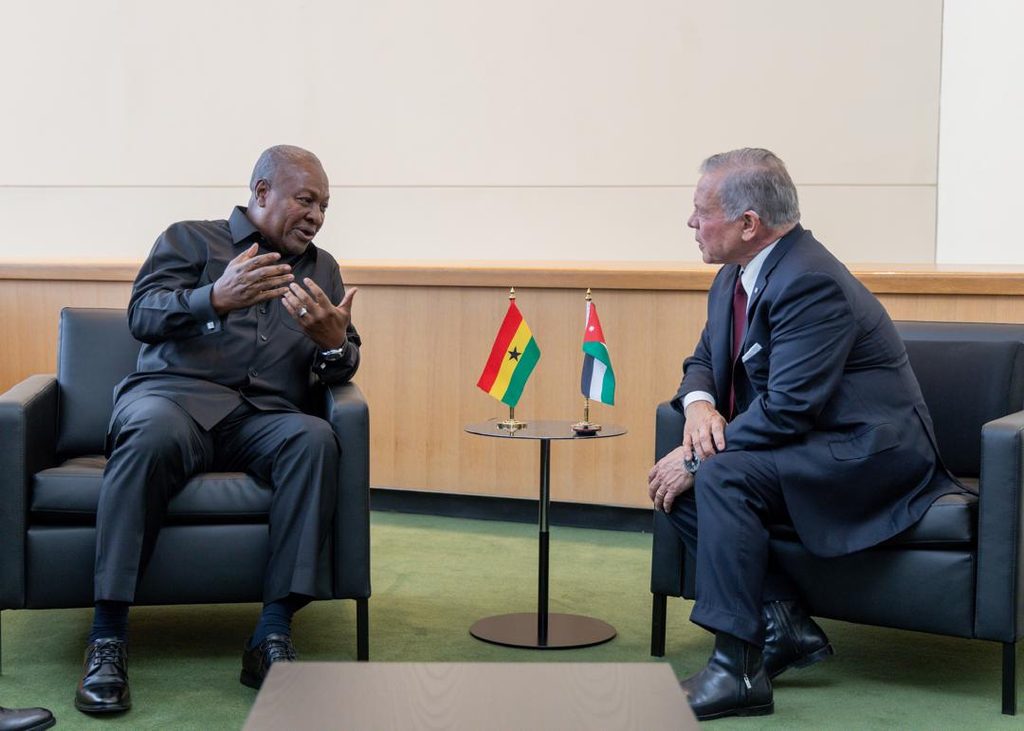
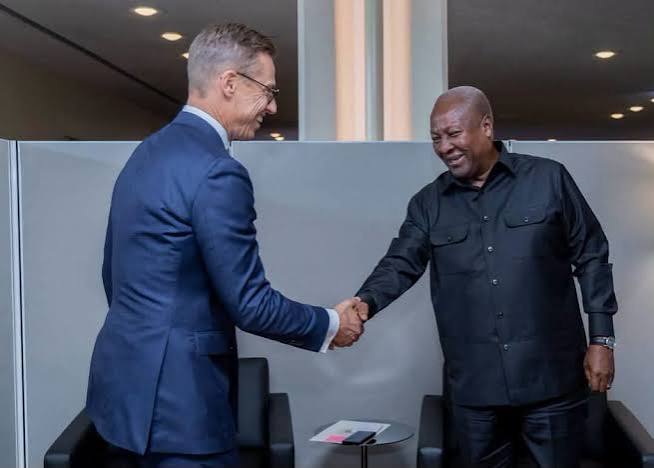
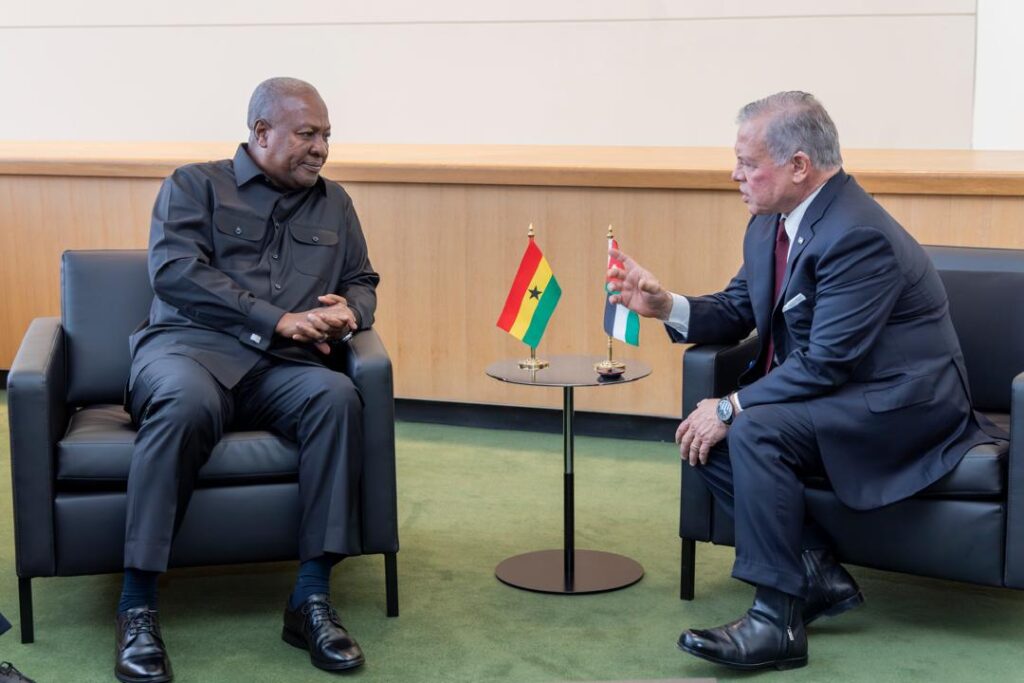
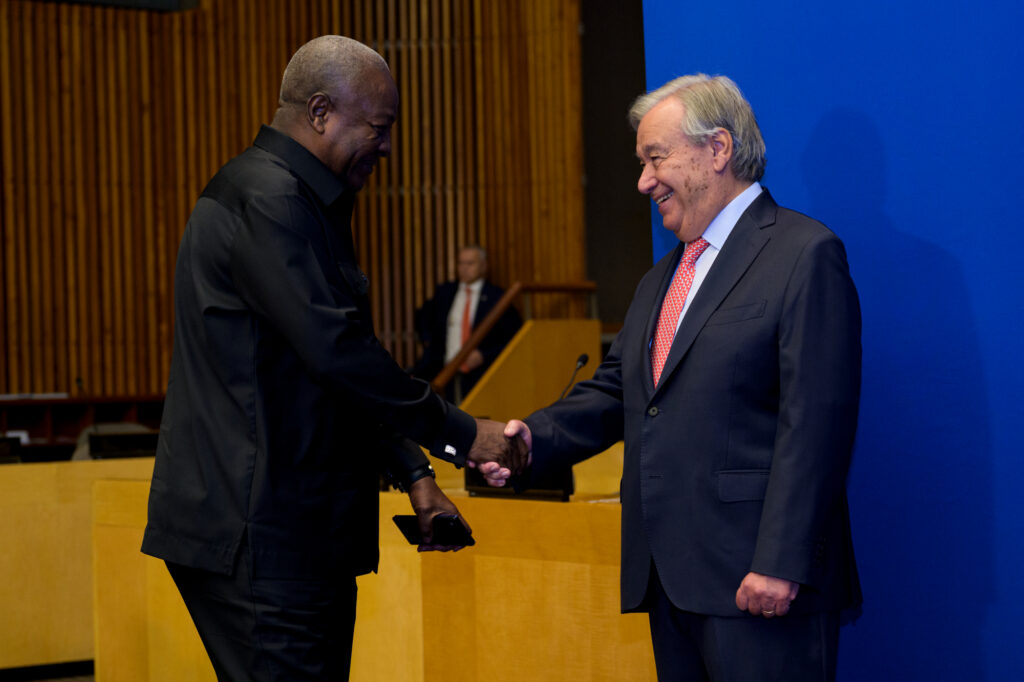
Today’s address caps off an aggressive schedule that has positioned President Mahama as a central voice for the Global South at UNGA 81.
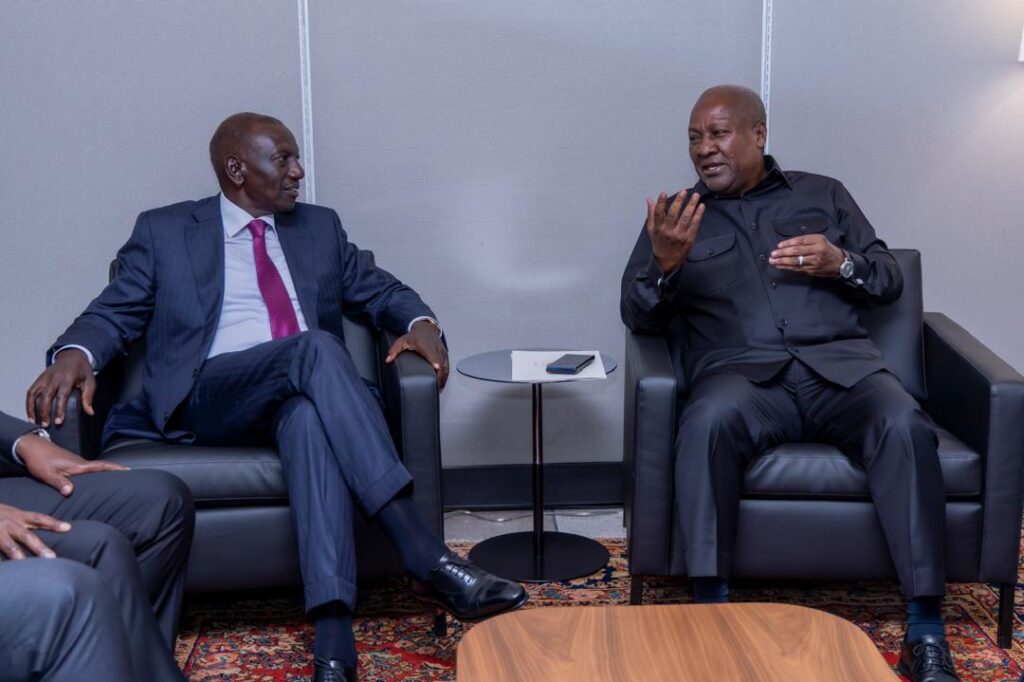
Earlier in the week, Mahama engaged in high-level bilateral talks with UN Secretary-General António Guterres, Kenyan President William Ruto, Jordanian King Abdullah II, and Swiss President Guy Parmelin, securing concrete partnerships in technology, decentralized governance, and regional security.
Beyond diplomatic halls, Mahama has aggressively marketed Ghana’s economic turnaround—highlighting domestic initiatives like his administration’s 24-hour economy framework and local value-addition strategies—culminating in engagements with global investors, a US-Ghana Presidential Roundtable, and a bell-ringing ceremony at NASDAQ.
The Stakes for the General Debate
Against the backdrop of these exhaustive high-level engagements, when President Mahama steps up to the mahogany podium today, he will not merely be speaking for Ghana. He will be giving voice to a sweeping, cross-continental demand for systemic change—signaling that the rules of global development are being rewritten from the bottom up.