ELS: MVN360 NEWS
Paul Awentami Afoko
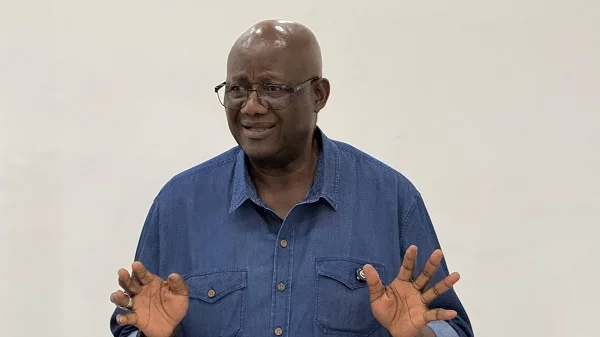
Former National Chairman of the New Patriotic Party (NPP), Paul Awentami Afoko, has attributed the party’s recent electoral setbacks to weaknesses in internal management and declining organisational discipline. He argued that changes in the party’s internal approach after his tenure affected its ability to maintain the level of electoral success it previously achieved.
Mr Afoko explained that his decision to speak publicly about the party’s affairs is influenced by his assessment of the NPP’s current condition and its direction in recent years. He indicated that his intervention is motivated by the need for the party to reflect on challenges affecting its political fortunes.

“My motivation is actually not one single thing. First, I looked at the state of the party today. That was the first thing that triggered me to react.” Paul Awentami Afoko
The former chairman noted that during his period leading the party, the NPP recorded one of its strongest electoral performances in the Fourth Republic. He recalled that the party won the 2016 general election with a significant parliamentary majority and achieved a presidential victory with a margin of about one million votes.
However, Mr Afoko rejected suggestions that those achievements were the result of his personal influence alone. He explained that the success came from collective efforts involving party executives, parliamentary candidates and grassroots supporters.
According to him, the strength of the party during that period came from effective coordination and a shared commitment among members. He argued that leadership must focus on creating systems that encourage cooperation and ensure that internal disagreements do not weaken the party’s wider objectives.
Furthermore, Mr Afoko linked the NPP’s later electoral decline to challenges in managing internal affairs. He pointed to the reduction in the party’s parliamentary seats after his departure as evidence that organisational issues had affected the party’s performance.
“Our first election after I had left, while we were in government and had everything at our disposal, we dropped from 169 seats to 137.” Paul Awentami Afoko
The former national chairman explained that political parties rely heavily on internal structures that promote trust and fairness among members. He suggested that when those structures weaken, dissatisfaction can grow among supporters and affect the party’s performance during general elections.
Turning to the party’s future, Mr Afoko urged the NPP to examine its internal processes and rebuild confidence among its members. He argued that restoring strong management practices would be necessary for the party to regain its previous electoral standing.
Read also:
- Eco-Conscious Coordinator Calls for Stronger Oversight of Mining Activities
- 9,000 Miners Registered for Responsible Mining Scheme, Ministry’s Spokesperson Discloses
- Ghana’s Inflation Fight Scores Major Victory As July Inflation Drops to 4.6%
- Inusah Fuseini opposes proposal to extend presidential term.
- Haruna Iddrisu critiques Parliament’s approach to oversight role

Additionally, he noted that political success depends on more than holding power and resources. From his perspective, a party must maintain unity, fairness and effective communication among its members to sustain public support.
Primaries Helped Current Opposition To Maintain Party Unity
Former New Patriotic Party (NPP) National Chairman Paul Awentami Afoko also argued that transparent internal elections were a major factor behind the party’s strong performance during his tenure. He explained that ensuring fairness in parliamentary primaries helped unsuccessful candidates accept outcomes and continue supporting the party.
Mr Afoko recalled that more than 30 sitting Members of Parliament lost their parliamentary primaries under his leadership, yet none of them contested as independent candidates or pursued legal action against the party. He attributed the development to the confidence members had in the credibility of the internal process.
The former chairman explained that competitive internal elections often create tension within political parties, making effective management essential after the process ends. He noted that maintaining trust among members helped the NPP enter the general election with a united front.
According to Mr Afoko, defeated candidates accepted the results because they believed the process was conducted fairly and openly. He added that the willingness of those members to continue working for the party contributed to stronger coordination during the election campaign.
“They all accepted the results because they believed the process was fair and clear. As a result, they continued to work for the party throughout the general election.”Paul Awentami Afoko
Furthermore, Mr Afoko contrasted that experience with later internal disputes within the party, using the Fomena Constituency situation as an example. He explained that the disagreement surrounding former NPP parliamentary candidate Andrew Asiamah Amoako created a difficult situation for the party during the 2020 general election.
The former chairman argued that the NPP spent valuable campaign energy opposing its former member instead of focusing entirely on defeating the opposition National Democratic Congress in the constituency. He noted that Fomena has traditionally been considered a strong area for the party and required careful management.

“The very MP we went to his constituency and declared that he was a stranger to our party, we campaigned specifically against him. Fomena is our stronghold, and we didn’t need to campaign against the NDC.”Paul Awentami Afoko
Mr Afoko observed that the outcome of the election demonstrated the importance of managing internal disagreements carefully. He explained that despite contesting as an independent candidate, Andrew Asiamah Amoako later joined the NPP’s parliamentary caucus after winning the seat.
Additionally, Mr Afoko added that political parties must create systems where members feel respected and included after internal contests. He argued that strong internal democracy provides the foundation for unity and prevents disputes from affecting electoral performance.
From his perspective, the NPP’s ability to regain public confidence will depend on how effectively it manages internal competition. He urged party leaders to prioritise fairness, transparency and broader participation as they prepare for future elections.