ELS: MBN360 NEWS
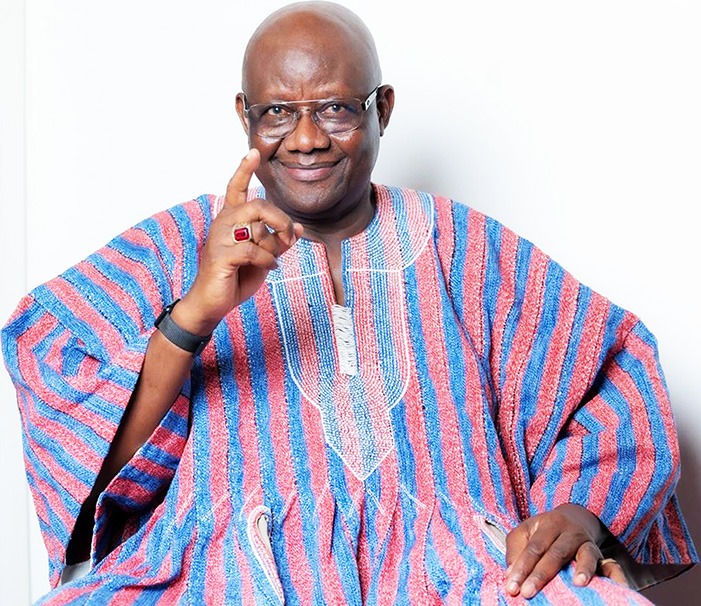
ormer New Patriotic Party (NPP) National Chairman, Paul Awentami Afoko has warned that Ghana’s democratic system could face challenges if New Patriotic party fails to rebuild its strength and regain public confidence. He argued that a strong opposition remains essential to maintaining political balance and ensuring effective accountability in governance.
Mr Afoko explained that his decision to return to active party politics is influenced by his assessment of the NPP’s current position after its recent electoral setback. He indicated that the party’s decline could affect the democratic environment if urgent steps are not taken to restore its organisational capacity.
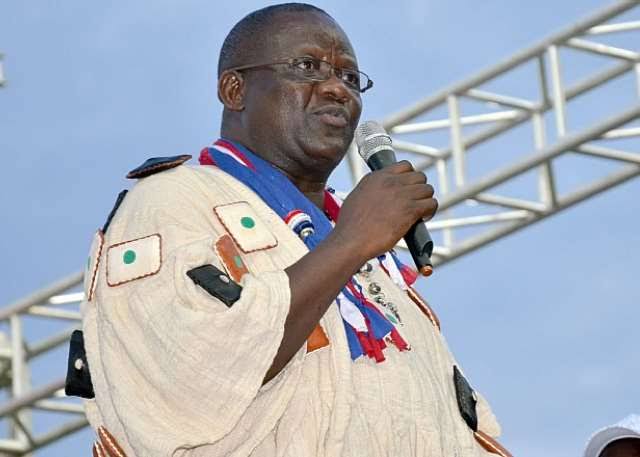
According to the former chairman, democracy depends on competition between political parties that can provide credible alternatives to voters. He observed that a weakened opposition could reduce the effectiveness of checks and balances within the country’s governance system.
“The second reason that brought me was I thought our democracy is in danger. If our party is weakened further, our democracy will be in danger.” Paul Awentami Afoko
Mr Afoko added that the NPP must begin a recovery process by addressing internal challenges and rebuilding its connection with the electorate. He stressed that political parties must remain strong institutions capable of competing effectively and representing different sections of society.
Furthermore, the NPP chairmanship hopeful recalled a recent interaction with a journalist that influenced his thinking about the party’s current image among young voters. He explained that the question centred on whether the enthusiasm that previously surrounded the party had reduced among sections of the youth.
The former chairman described the observation as a wake up call, noting that political organisations must continuously engage with citizens to remain relevant. He suggested that the party needed to examine why some supporters had become less visible and find ways to reconnect with its grassroots base.
Turning to the possible consequences of a weak opposition, Mr Afoko cautioned that Ghana could move towards a political system where one party dominates Parliament with limited resistance. He argued that such a situation could affect the quality of democratic debate and weaken institutional oversight.
“It becomes left-sided, one party dominant, with over two thirds majority in Parliament and therefore can do whatever they want with that majority while the other party is weakened.” Paul Awentami Afoko
Additionally, Mr Afoko explained that these concerns motivated him to present himself for the national chairmanship race. He said his aim was to encourage party members to work together and rebuild confidence in the NPP’s future direction.
Internal Divisions Hurt Party Unity And Progress
Paul Awentami Afoko blamed internal factionalism for weakening the party’s unity and affecting its organisational development over the years. He argued that divisions within political parties are unavoidable, yet they must be managed carefully to prevent them from damaging the institution.
Mr Afoko, who was removed from the position of National Chairman in 2015, explained that the circumstances surrounding his exit were influenced by disagreements among different groups within the party. He described himself as one of the individuals who suffered significantly from the effects of internal divisions.
“If you want an example of somebody who has suffered from this factionalism, severely suffered, then I am the example.” Paul Awentami Afoko

According to the former chairman, his belief that factionalism contributed to his removal was strengthened by events that followed. He explained that although political parties naturally have different interests and viewpoints, those differences should not prevent members from working towards a common objective.
Read also:
- Eco-Conscious Coordinator Calls for Stronger Oversight of Mining Activities
- 9,000 Miners Registered for Responsible Mining Scheme, Ministry’s Spokesperson Discloses
- Ghana’s Inflation Fight Scores Major Victory As July Inflation Drops to 4.6%
- Inusah Fuseini opposes proposal to extend presidential term.
- Haruna Iddrisu critiques Parliament’s approach to oversight role
Furthermore, Mr Afoko argued that the existence of factions is not the major challenge facing political organisations. He noted that internal groupings can exist within political parties worldwide, but effective leadership requires members to cooperate despite their differences.
“There are factions. We can’t run away from that. But the cardinal rule for them is that they work together.” Paul Awentami Afoko
The NPP chairmanship hopeful also dismissed suggestions that his return to politics was motivated by resentment over his removal from office. He explained that while the experience caused him pain at the time, he has moved beyond those feelings and is now focused on the future of the party.
Mr Afoko indicated that his current interest in party leadership is driven by concerns about rebuilding unity and creating a stronger organisation. He explained that personal experiences from the past should not prevent members from contributing to the progress of the party.
Additionally, he called on members to put aside previous disagreements and focus on strengthening relationships within the NPP. He argued that unity remains important if the party wants to regain public confidence and improve its political fortunes.
The former chairman noted that his approach would involve engaging different groups within the party regardless of their previous positions on his leadership. He stressed that reconciliation and cooperation would be central to his vision if given the opportunity to serve again.
Reconciliation Efforts Key To Party Revival Plans
Former New Patriotic Party (NPP) National Chairman, Paul Awentami Afoko also outlined reconciliation and engagement as key parts of his plan to rebuild confidence within the party. He explained that his return to active politics is focused on bringing members together and creating a stronger foundation for the party’s future.
Mr Afoko indicated that his approach involves reaching out to party members across different groups and backgrounds. He emphasised that previous disagreements should not prevent members from working together towards a common goal.
According to him, the NPP requires a collective effort from all members if it wants to regain its strength and reconnect with supporters. He explained that his leadership approach would focus on inclusion and ensuring that every member feels valued within the party structure.

“I speak to everybody in the party, no matter who you are, no matter what your position was vis-à-vis my chairmanship at the time. I reach out.” Paul Awentami Afoko
Furthermore, Mr Afoko revealed that he has already started engaging party members across the country as part of his preparations for the internal elections. He noted that his tours were aimed at reconnecting with grassroots supporters after spending several years away from frontline party activities.
The former chairman explained that rebuilding trust requires direct interaction with members and a clear understanding of their expectations. He suggested that listening to party supporters at different levels would be important in developing solutions to the challenges facing the organisation.
Additionally, Mr Afoko urged members of the NPP to move beyond past disagreements and focus on the party’s collective interests. He argued that a united party would be better positioned to respond to electoral challenges and regain the confidence of voters.
The chairmanship hopeful emphasised that his ambition is on service to the party rather than personal interests. He believes that renewed cooperation among members can help the NPP strengthen its structures and prepare effectively for future political contests.