ELS: MBN360 Extractives/Energy
erseus Mining (Ghana) Limited has presented a cheque for GH¢6.864 million to the Ayanfuri community as additional support for community development, demonstrating how contractual Memorandum of Understanding (MoU) commitments can deliver targeted financial support to strengthen host community partnerships.
The financial presentation, executed in fulfillment of the established bilateral agreement between the mining company and its primary host enclave, highlights a broader industry movement toward structured, transparent development frameworks that deepen local trust and mutual accountability.
By honoring its pledged financial obligations, the extractive firm reinforces its long-term corporate commitment to aligning commercial mineral production with local socio-economic advancement.
“This donation is not a mere financial contribution but a reaffirmation of trust, partnership and shared responsibility for sustainable development.”Ministry of Lands and Natural Resources

The financial payout expands upon collaborative local development structures designed to channel gold extraction value directly into social infrastructure, economic empowerment initiatives, and community welfare programs across the district.
Through this formalized arrangement, the Ayanfuri locality acquires vital capital to address pressing municipal development priorities, while establishing a predictable template for constructive engagement between resource operators, traditional authorities, and state regulatory bodies.
Extractive industry observers view this event as a concrete example of how institutional agreements convert corporate social commitments into measurable, community-directed growth.
Fulfilling Obligations and Restoring Operational Harmony
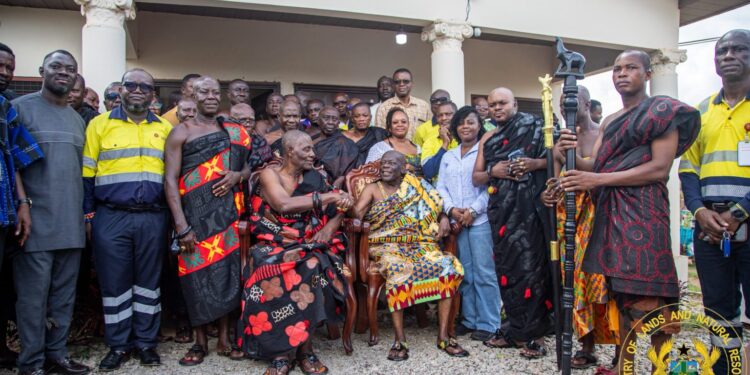
Presenting the cheque, the Board Chairman of Perseus Mining (Ghana) Limited, Ehunabobrim Prah Agyensaim VI, Paramount Chief of Assin Owurenkyi Traditional Area, stated that the donation fulfilled the company’s obligations under its MoU with the Ayanfuri community.
He expressed sincere appreciation to local leaders and residents for their sustained cooperation, which directly enabled mining operations to resume at the Fetish and Esuojah North pits three months ago.
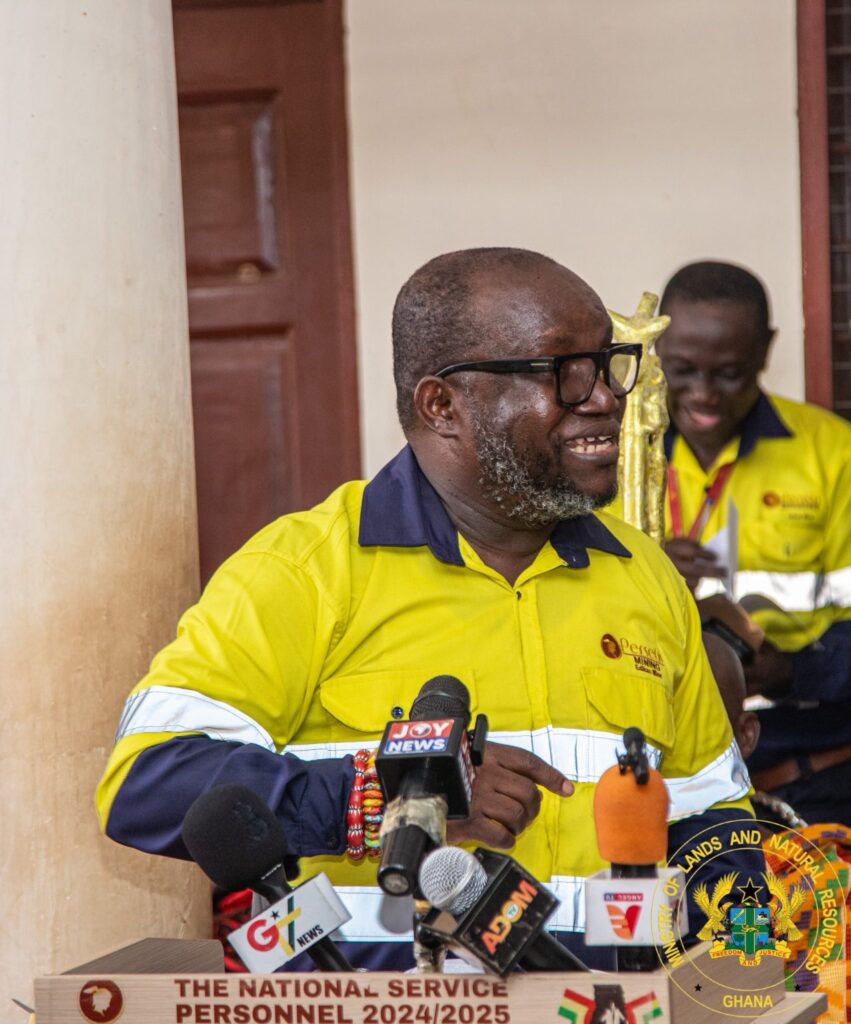
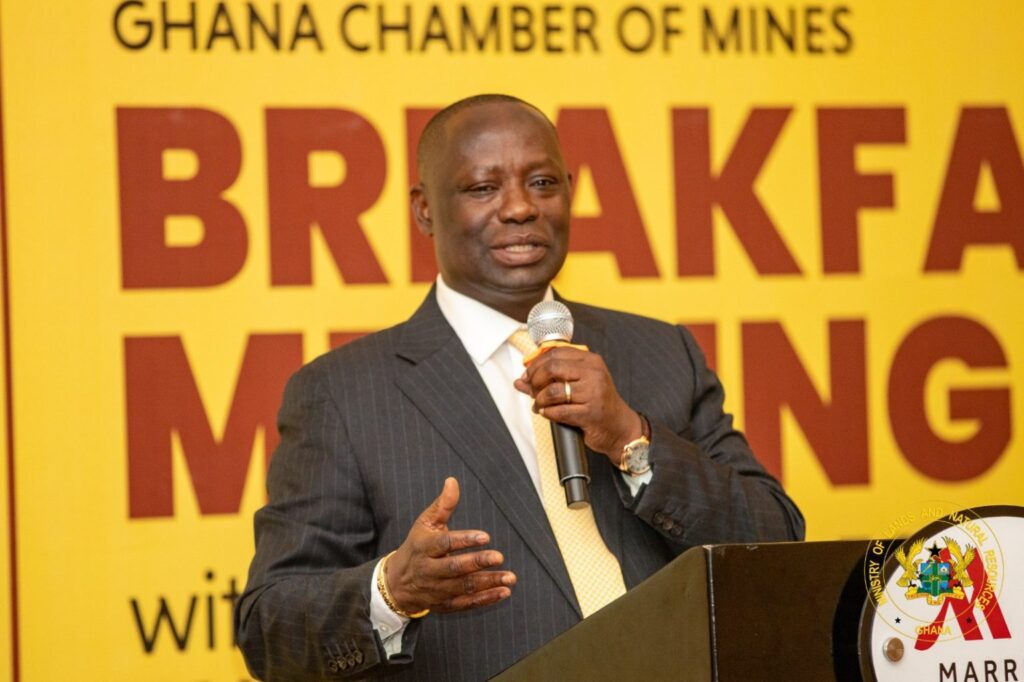
The Board Chairman assured the Chiefs and residents that Perseus Mining remains steadfast in supporting community development, while disclosing that the firm had also paid US$1.4 million to the Government of Ghana for the environmental reclamation of approximately 70 hectares of its concession ceded back to the state. In a speech delivered on behalf of the Minister for Lands and Natural Resources, Honourable Emmanuel Armah-Kofi Buah, by his Technical Advisor, Prof. J. S. Y. Kuma, the government praised the company for honouring its commitment and described the gesture as evidence that corporate social investment represents a “genuine commitment to improving lives and not just a slogan”.
Receiving the presentation, the Chief of Ayanfuri, Nana Kwadwo Appiah III, expressed deep gratitude for the continuous support and pledged the community’s commitment to maintaining a cordial working relationship with the company.
Read also:
- VALCO not being sold to Ibrahim Mahama – GIADEC
- AMA announces August National Sanitation Day exercise, orders temporary closure of businesses
- No court sittings in Greater Accra on July 28 and 31 as Judiciary marks Supreme Court’s 150th anniversary
- Mahama assures transfer of UGMC to University of Ghana.
- Fuel prices could go up again this week — COPEC
The event was attended by officials from the Ministry of Lands and Natural Resources, the Minerals Commission, the Environmental Protection Agency (EPA), the Ghana Chamber of Mines, and Perseus Mining leadership.
The Strategic Significance of MoU Frameworks in Mining
Replacing informal or discretionary corporate social responsibility (CSR) programs with legally aligned Memorandum of Understanding (MoU) frameworks marks a crucial milestone in host-community engagement across Ghana’s gold mining enclaves.
Historically, resource-rich communities have experienced socio-economic friction stemming from perceived disconnects between mineral wealth generation and localized living standards.
Binding MoUs bridge this divide by providing transparent, accountable funding channels that enable traditional leadership and local development committees to systematically construct schools, health centers, and utility infrastructure.
Moreover, these structured agreements serve as a cornerstone for maintaining an operational “social license to operate.”
As demonstrated by the recent operational restart at the Fetish and Esuojah North mining pits, commercial viability depends heavily on local harmony.
When host communities participate directly in economic benefits and experience transparent communication, operational risks such as land disputes, community protests, and illegal mining encroachment are minimized, establishing a stable operating environment for large-scale mining investments.
Environmental Reclamation and Policy Governance
Beyond direct community financial allocations, the payment of US$1.4 million for environmental land reclamation highlights an integrated model of natural resource management that pairs social investment with ecological restoration.
Large-scale surface mining inevitably alters land topographies, making systematic post-mining reclamation essential for restoring soil productivity, biodiversity, and future agricultural potential on ceded concession lands.

By fulfilling both its social MoU pledges and its environmental restoration liabilities, Perseus Mining sets a standard for comprehensive ESG (Environmental, Social, and Governance) compliance in Ghana’s mining sector.
As the Ministry of Lands and Natural Resources and the Minerals Commission continue enforcing stricter community development guidelines and local content regulations, model partnerships like the Ayanfuri agreement offer valuable lessons for policy formulation.
Aligning direct financial support with state-led environmental remediation ensures that non-renewable mineral extraction yields renewable human, physical, and ecological assets for host communities long into the future.