

ELS: MBN360 Extractives/Energy
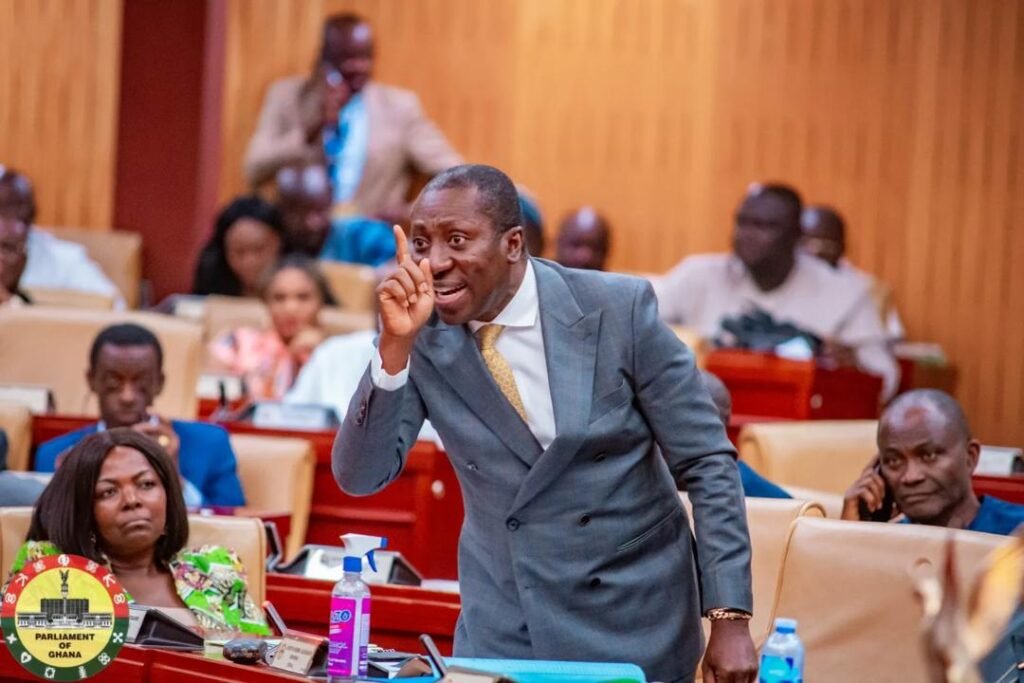
Ranking Member on the Economy and Development Committee, Hon. Kojo Oppong Nkrumah, has challenged the government’s narrative on recent macroeconomic performance, asserting that Ghana’s growth figures are heavily propelled by extraordinary global high Gold prices rather than policy interventions.
He argued that attributing national economic recovery to government strategy misleads the public while obscuring deeper structural vulnerabilities within the broader economy.
The Opposition’s assessment arrives directly ahead of the Mid-Year Budget Review presentation by the Minister of Finance, Dr. Cassiel Ato Forson, in Parliament on Thursday, July 23, 2026.
Expanding on this position, Mr. Oppong Nkrumah emphasized that the government’s expected focus on the 6.4% first-quarter growth rate fails to account for the disproportionate influence of the mining sector, masking stagnation across non-extractive industries.
“Industry’s growth rate jumped from 1.9 to 6.9% in one quarter, yes, but if you double click it shows you that it is on the back of gold mining and export earnings hitting a record US$31.1 billion in 2025.”Kojo Oppong Nkrumah
Commodity Windfalls vs. Structural Fundamentals
Evaluating the quarterly national accounts, the NPP lawmaker cautioned that primary commodity surges create an impression of economic stability that does not reflect domestic productivity.
He noted that while government officials plan to “tout the first quarter growth of about 6.4%” as evidence of economic rebound, a granular breakdown demonstrates that performance remains tethered to external commodity pricing rather than structural improvements.
This reliance on bullion markets raises critical questions regarding mid-term economic resilience.

Mr. Oppong Nkrumah questioned what the growth trajectory, trade surplus, primary balance, and foreign exchange reserves would look like “if gold returns to its five-year average price.”
Read also:
- VALCO not being sold to Ibrahim Mahama – GIADEC
- AMA announces August National Sanitation Day exercise, orders temporary closure of businesses
- No court sittings in Greater Accra on July 28 and 31 as Judiciary marks Supreme Court’s 150th anniversary
- Mahama assures transfer of UGMC to University of Ghana.
- Fuel prices could go up again this week — COPEC
To establish economic clarity, he urged Dr. Cassiel Ato Forson to present a detailed sensitivity analysis during the Mid-Year Budget Review to illustrate how key economic metrics would perform under lower gold price environments
Mechanics of Gold-Driven Economic Growth
Understanding how gold price spikes transmit through national accounts explains why extractive rallies heavily influence overall economic growth figures.
When global gold prices rise significantly, industrial mining operators experience expanded gross output values.
Because Gross Domestic Product (GDP) measures the monetary value of final goods and services produced within a country, higher valuations directly expand the industrial sector’s contribution to real GDP without necessarily requiring higher physical output or workforce growth.

At the macro-financial level, elevated bullion prices generate substantial foreign exchange inflows that strengthen national trade accounts. Higher export receipts widen the trade surplus, boosting central bank gross international reserves and providing liquidity to cushion the domestic currency.
Concurrently, state coffers capture increased revenue through mineral royalties, corporate income taxes from mining entities, and equity dividends, which temporarily improves the primary budget balance and expands public spending capacity.
Vulnerabilities and the Imperative for Structural Reform
Despite the immediate macroeconomic buffers provided by commodity rallies, growth anchored primarily on precious metal prices carries inherent systemic risks.
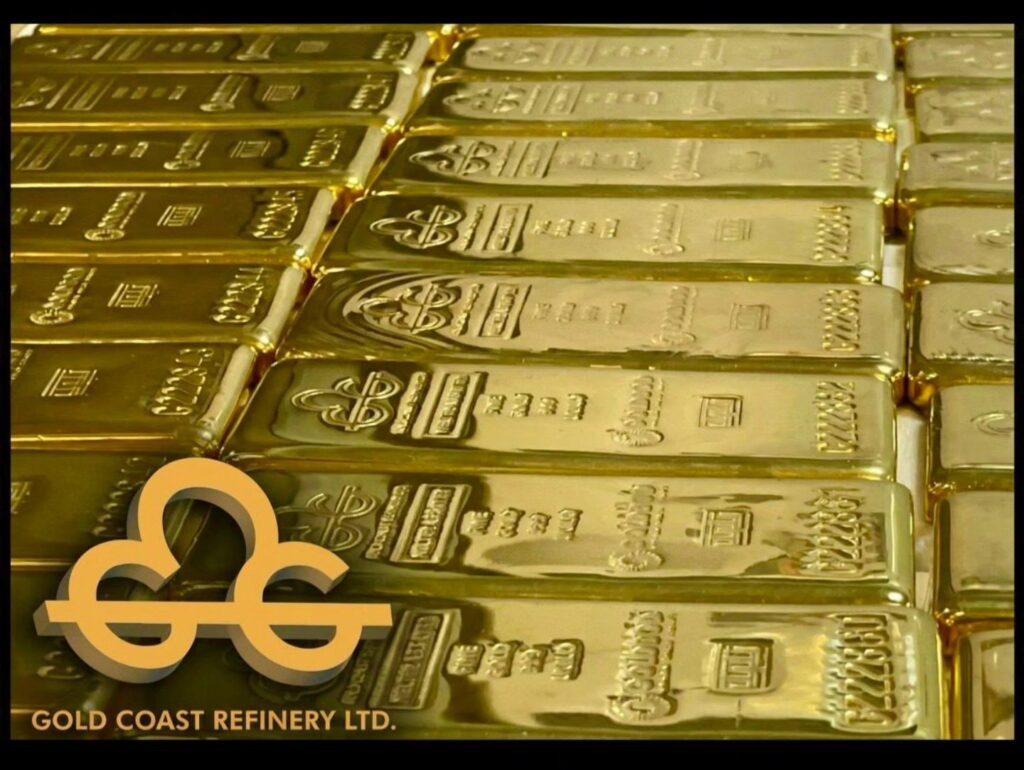
Global commodity markets are historically cyclical; if international gold prices experience a downturn, the foreign exchange liquidity and fiscal revenues supporting current performance can decline rapidly, leaving public finances vulnerable to deficit expansion and currency pressure.
Relying on mineral windfalls without diversifying into non-extractive sectors such as manufacturing, processing, and domestic energy infrastructure leaves long-term national development exposed to external market shocks.
Converting temporary commodity windfalls into broad-based economic stability requires strategic investments that build domestic productive capacity beyond primary raw export markets.