
ELS: MBN360 NEWS
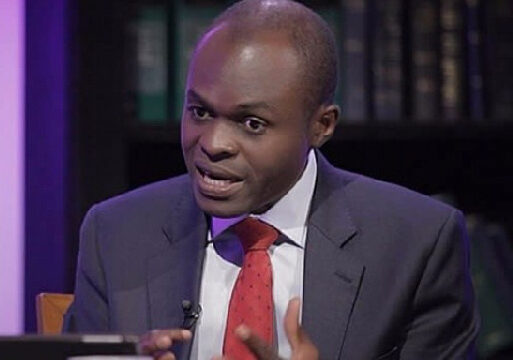
rivate legal practitioner, Martin Kpebu has backed calls by Togbe Afede XIV for judicial reform, arguing that any proposal to review the size of the Supreme Court should follow national consultation and thorough research instead of isolated decisions. He indicated that public confidence in the judiciary would grow if reforms emerged through an inclusive process that examined both constitutional practice and the operational demands facing the courts.
The Lawyer observed that public vigilance became a strong safeguard against attempts to influence judicial appointments for political advantage. According to him, Ghanaian citizens and civil society organisations demonstrated their readiness to scrutinise decisions affecting key democratic institutions.

Referencing Togbe Afede’s position on judicial reforms, Mr Kpebu explained that any future increase in the number of Supreme Court justices would attract intense public examination if it appeared to serve partisan interests.
“We have become a very savvy society. Citizens will not take it lying down if they believe the numbers are increased for political reasons. We can speak out strongly enough to push back against any attempt to exploit the system.”Martin Kpebu
Turning to recent developments, the legal practitioner revisited the debate surrounding former President Nana Addo Dankwa Akufo Addo’s attempt to appoint five additional Supreme Court justices in 2024. He recalled that many legal commentators questioned the timing of the proposed appointments and advocated a national discussion before any expansion of the bench.
The Lawyer noted that subsequent developments involving former Chief Justice Gertrude Torkornoo also reinforced the need for careful adherence to constitutional procedures in matters relating to judicial appointments. He added that those events strengthened calls for a structured review of Ghana’s judicial framework instead of piecemeal reforms.
On The Next Steps To Addressing The Supreme Court
Additionally, Mr Kpebu acknowledged that the Supreme Court currently faces a significant backlog of cases requiring attention. He nevertheless explained that increasing the number of judges should only follow careful examination of alternative reforms, including greater investment in technology to improve the efficiency of court operations.
An important dimension of the discussion, he observed, centres on whether technological improvements could reduce delays without substantially expanding the bench. He indicated that digital systems and modern case management tools deserve equal consideration before constitutional changes are pursued.

Drawing comparisons with other jurisdictions, the private legal practitioner cited South Africa’s separate Constitutional Court as one example that Ghana could study while reviewing its own judicial structure.
Mr Kpebu further referred to the Ghana Bar Association v Attorney General case, explaining that legal opinion generally treated 15 or 16 justices as the country’s conventional upper limit depending on whether the Chief Justice was included in the count. He therefore argued that any proposal to alter that convention should emerge from informed national consensus, a position he said aligned with the broader call by Togbe Afede for comprehensive judicial reform.
Read also:
- Government endorses proposal to end death penalty.
- Government endorses proposal to end death penalty,
- BTS to skip 2027 Grammy Awards submissions over new Asian pop categor
- NMC Rejects Claims Ghana Has Overproduced Nurses and Midwives
- Govt pushes COCOBOD Bill to boost local processing, protect farmers and reform sector financing
Judicial Independence Demands Stronger Appointment Reforms
The discussion on judicial reform also extended to the appointment of Supreme Court justices, with Martin Kpebu arguing that the current constitutional arrangement leaves room for excessive executive influence. He explained that the concentration of appointment powers in the presidency has long generated questions about the independence of the judiciary and deserves careful national review.
The private legal practitioner noted that Article 144 of the Constitution grants the President the authority to appoint Supreme Court judges. According to him, that constitutional arrangement naturally creates competition among qualified lawyers because the number of available positions remains far smaller than the pool of eligible candidates.
“The number of qualified people far exceeds the available vacancies. That is why competition becomes intense, and people begin lobbying through different channels.”Martin Kpebu

Discussing the issue further, Mr Kpebu indicated that Ghana has thousands of lawyers who satisfy the constitutional requirements for appointment to the apex court. He explained that legal practitioners with at least 15 years of practice and strong professional standing could qualify, yet only a limited number of vacancies become available.
Against this backdrop, the Lawyer argued that scarcity inevitably encourages intense competition among prospective candidates. From his perspective, that environment can create situations where individuals seek support through personal relationships, influential figures or political networks to improve their chances of appointment.
Earlier Reforms Within The Judiciary
Referencing earlier calls for judicial reforms, Mr Kpebu stated that expanding the number of Supreme Court justices alone would not resolve deeper structural issues. He explained that even if the bench increased to 20 members, thousands of qualified lawyers would still remain outside the system, leaving competition for appointments largely unchanged.
Furthermore, he argued that constitutional reforms should examine the entire appointment framework instead of concentrating solely on numerical expansion. From his perspective, the emphasis should remain on building transparent systems that reinforce judicial independence while preserving public trust in the courts.

“It’s not for one person alone to decide that the number should go to 20. These issues require careful comparative research and national consensus.”Martin Kpebu
Another perspective raised by him concerns studying successful judicial models adopted by other democracies before implementing reforms in Ghana. Moreover, the Lawyer indicated that comparative constitutional studies would help policymakers assess the strengths and limitations of different judicial systems before introducing major institutional changes. He explained that evidence-based policymaking would produce reforms capable of strengthening both efficiency and independence within the justice system.
Mr Kpebu also reiterated that any review should involve legal scholars, judges, the Ghana Bar Association, civil society organisations and constitutional experts. Such broad participation, he argued, would ensure that reforms command national legitimacy and reduce future disputes over judicial appointments.
Closing his remarks, the private legal practitioner reiterated his support for Togbe Afede’s appeal for judicial reform through structured national engagement. He emphasised that meaningful changes to Ghana’s highest court should emerge from careful research, constitutional dialogue and broad public participation instead of unilateral decisions.