ELS: MBN360 ECONOMY
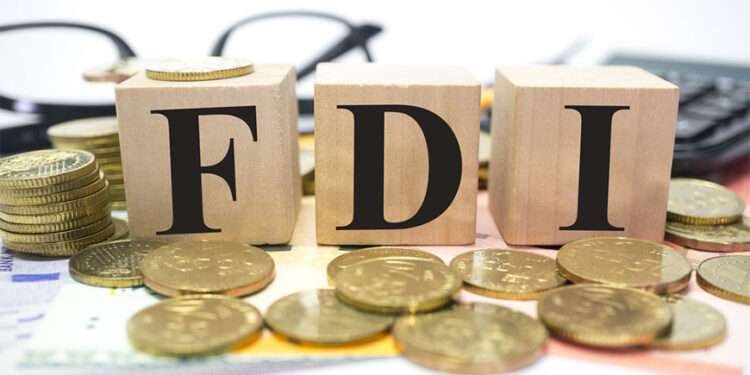
Ghana’s foreign investment story has taken a dramatic turn, with Foreign Direct Investment (FDI) surging from US $ 651.7million in 2024 to an impressive US $ 2.6 billion in 2025.
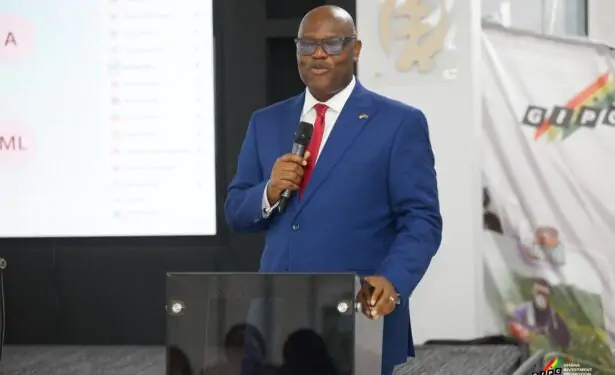
The remarkable increase is contained in the 2025 Investment Report of the Ghana Investment Promotion Authority (GIPA), which highlights what it describes as a turning point in the country’s investment journey.
The report, themed “Resetting Ghana’s Investment Landscape for Unlocking Opportunities in a Transforming Economy,” points to renewed investor confidence, improving macroeconomic conditions and stronger international engagement as major factors behind the sharp increase.
The figures represent more than a jump in capital inflows. They signal a potentially significant shift in Ghana’s economic outlook at a time when businesses and investors have been watching closely for evidence of renewed stability.
Investment Floods Into Ghana
According to the report, Ghana recorded US$2.62 billion in FDI inflows across 245 new projects and existing companies during 2025.
New investment projects accounted for the largest share of the inflows, while major capital injections into the petroleum and free zones sectors also contributed significantly to the total.
The Ghana Investment Promotion Authority said the figures demonstrate sustained investor interest in the country despite uncertainties affecting the global economy.
At the macroeconomic level, balance of payments data showed FDI rising to US$1.91 billion, with reinvested earnings accounting for 95.4 percent of the figure.
That development is particularly significant because reinvested earnings can indicate that existing investors are confident enough in the Ghanaian market to retain and expand their investments rather than repatriating their profits.
China Leads the Investor Charge
China emerged as the leading source of new investment projects by number, recording 70 projects during the year.
India followed with 22 projects, while Nigeria recorded 10. The United Arab Emirates accounted for nine projects and the United Kingdom recorded eight.
The figures highlight Ghana’s increasingly diverse investment relationships and the importance of its engagement with major economies across Asia, Africa, Europe and the Middle East.
In terms of investment value, however, the Cayman Islands topped the rankings with US500million, followed by China with US486 million.
The strong Chinese presence is particularly notable as Ghana continues to seek capital, technology and partnerships to expand production and strengthen its position as a gateway to the wider African market.
Petroleum and Free Zones Attract Major Capital
The petroleum sector remained one of the biggest magnets for investment.
The Petroleum Commission recorded 18 projects worth US$739 million involving existing upstream companies. This underscores the continued importance of Ghana’s petroleum industry in attracting international capital.
The Ghana Free Zones Authority also recorded 42 new capital investments valued at US$176 million.
The performance of the free zones sector could become increasingly important as Ghana seeks to expand manufacturing, exports and value-added production.
Read also:
- Minority Files Motion to Probe DGPP Losses
- Arsenal Sign Ezri Konsa To Strengthen Defence
- No Child Should Be Blamed For Abuse — PTA National Council
- Mahama: My Mission Is to Prove Democracy Delivers Prosperity in Africa
- Maresca Admits It Is Difficult to Retain Players Seeking New Challenges
Meanwhile, the general trade sector absorbed 23 projects valued at US$733 million, further demonstrating the breadth of investment activity across the economy.
Ghana Secures US$11.48bn Investment Pipeline
Perhaps even more striking is the size of Ghana’s future investment pipeline.
The report revealed that the country secured US$11.48 billion in announced and pipeline investments, including commitments emerging from high-level international engagements.
If a substantial portion of these commitments materialises, Ghana could see another significant wave of capital entering the economy in the coming years.
The pipeline also offers a glimpse into the potential scale of investor interest following renewed efforts to rebuild confidence in Ghana’s economy.
Macroeconomic Stability Boosts Investor Confidence
The surge in FDI comes against the backdrop of Ghana’s efforts to restore macroeconomic stability.
The GIPA report noted that 2025 marked a turning point following a period of significant macroeconomic adjustment.
Improved domestic economic management, alongside favourable external conditions, helped support Ghana’s growth recovery and create a more attractive environment for investors.
The report also highlighted Ghana’s deepened global investment engagement, noting that targeted investment missions and strategic partnerships across Asia, Europe and Africa contributed to the renewed momentum.
This suggests that investment promotion is increasingly moving beyond traditional approaches toward more targeted international engagement.
New Opportunities Emerging Across the Economy
GIPA believes the relationship between sectoral growth and rising FDI points toward Ghana’s transition to a more diversified and investment-driven growth model.
Opportunities are expected to expand in areas such as agro-processing, manufacturing, digital services and value-added exports.
These sectors could play an important role in reducing Ghana’s dependence on raw commodity exports while creating jobs and generating additional foreign exchange.
With access to both the domestic market and the wider African market, Ghana is positioning itself as a potential hub for long-term investors seeking opportunities under the African Continental Free Trade Area.
A New Investment Chapter for Ghana
The jump represents a major turnaround in Ghana’s investment fortunes.
However, the real test will be whether the momentum can be sustained.
The US$11.48 billion investment pipeline provides an enormous opportunity, but converting announcements into actual projects, jobs, production and exports will be critical.
For now, the numbers offer a powerful signal that Ghana’s investment story is changing.
After a difficult period of economic adjustment, the country appears to be attracting renewed attention from global investors. If macroeconomic stability continues and the investment pipeline translates into tangible projects, Ghana could be entering one of its most important investment chapters in years.