Els: MBN360 Extractives/Energy
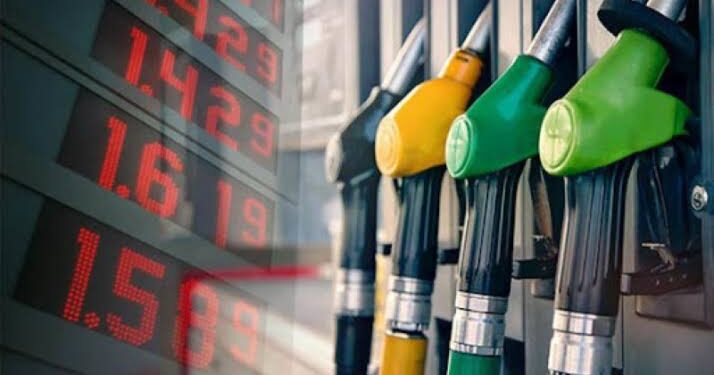
Motorists and businesses could begin paying less for petrol, diesel and liquefied petroleum gas (LPG) from the first pricing window of July after the National Petroleum Authority (NPA) significantly reduced the minimum selling prices for petroleum products, reflecting easing pressures in the global oil market.
The revised price floors come just days after international crude oil prices retreated to levels seen before tensions between the United States and Iran disrupted global energy markets, raising expectations that Ghanaian consumers may finally benefit from lower fuel costs after weeks of heightened price uncertainty.
According to an industry pricing notice issued by the NPA, the petrol price floor has been reduced from GH¢13.39 to GH¢12.79 per litre, representing a decline of about 4.5 percent. Diesel recorded the sharpest adjustment, with its minimum price falling from GH¢15.11 to GH¢13.54 per litre, a reduction of approximately 10.4 percent.
LPG saw the largest percentage decrease. The price floor dropped from GH¢13.23 to GH¢10.11 per kilogram, a reduction of nearly 24 per cent, according to the Authority’s pricing schedule.
The adjustments take effect during the first pricing window of July under Ghana’s Petroleum Products Pricing Guidelines.
Although the published figures establish the minimum prices at which Oil Marketing Companies (OMCs) and LPG Marketing Companies can sell fuel, actual pump prices may vary because they exclude additional commercial costs such as international trading premiums, distribution charges and dealer margins.
Global developments filtering into Ghana
The latest adjustments illustrate how closely Ghana’s downstream petroleum market is tied to international energy developments.
Only weeks ago, fears that conflict in the Middle East could disrupt supplies through the Strait of Hormuz pushed crude oil prices sharply higher, forcing many fuel marketers to increase prices locally.

Since then, diplomatic efforts and the gradual return of shipping traffic through one of the world’s busiest energy corridors have eased supply concerns, causing crude prices to fall.
Those global developments are now beginning to feed into Ghana’s pricing formula.
Because Ghana operates a deregulated petroleum market, movements in international crude prices, refined product prices and exchange rates are reflected in local fuel prices during each pricing window.
Read also:
- Harry Kane breaks Pelé World Cup goals total
- Three die in Mexico City World Cup celebrations
- Minerals Commission Deputy CEO Backs Local Mineral Value Retention Frameworks
- Tackle Galamsey, Weija MP Calls Out The Government
- Parliament ratifies air services agreements with six countries
Relief beyond motorists
Lower fuel prices often have implications beyond private vehicle owners.
Petroleum products remain a major cost component for transport operators, manufacturers, farmers, logistics companies and several service industries. When fuel prices fall, businesses may experience lower operating costs, potentially easing pressure on the prices consumers pay for goods and services.
Economists have frequently noted that fuel costs feed directly into inflation because transportation affects almost every stage of production and distribution.
Should the lower price floors translate into widespread reductions at filling stations, transport fares and logistics costs could also moderate over time, although the extent and timing would depend on decisions by transport operators and market conditions.
For households already grappling with high living costs, even modest reductions in fuel prices can provide some financial relief, particularly for families that depend heavily on commercial transport.
Competition now shifts to marketers
The revised pricing window also presents an opportunity for OMCs to compete more aggressively for customers.
While the NPA sets the minimum allowable selling prices, companies retain flexibility to determine their final retail prices based on their operating costs and commercial strategies.
Industry analysts therefore expect increased competition among marketers during the new pricing window, particularly following recent discussions about balancing consumer affordability with the long-term sustainability of fuel retailers.
Recent debates within Ghana’s downstream petroleum sector have highlighted concerns that prolonged price competition could erode profit margins for some operators, even as consumers benefit from lower prices.
Outlook
The latest reductions demonstrate how quickly Ghana’s fuel market can respond when global oil prices ease.
Whether consumers experience substantial savings at the pump will ultimately depend on how individual marketers price their products within the new pricing framework and whether international crude prices remain relatively stable in the weeks ahead.
For now, the revised price floors provide the strongest indication yet that the recent spike in fuel costs linked to geopolitical tensions may be giving way to a period of greater price stability.