
ELS: MBN360 EDUCATION
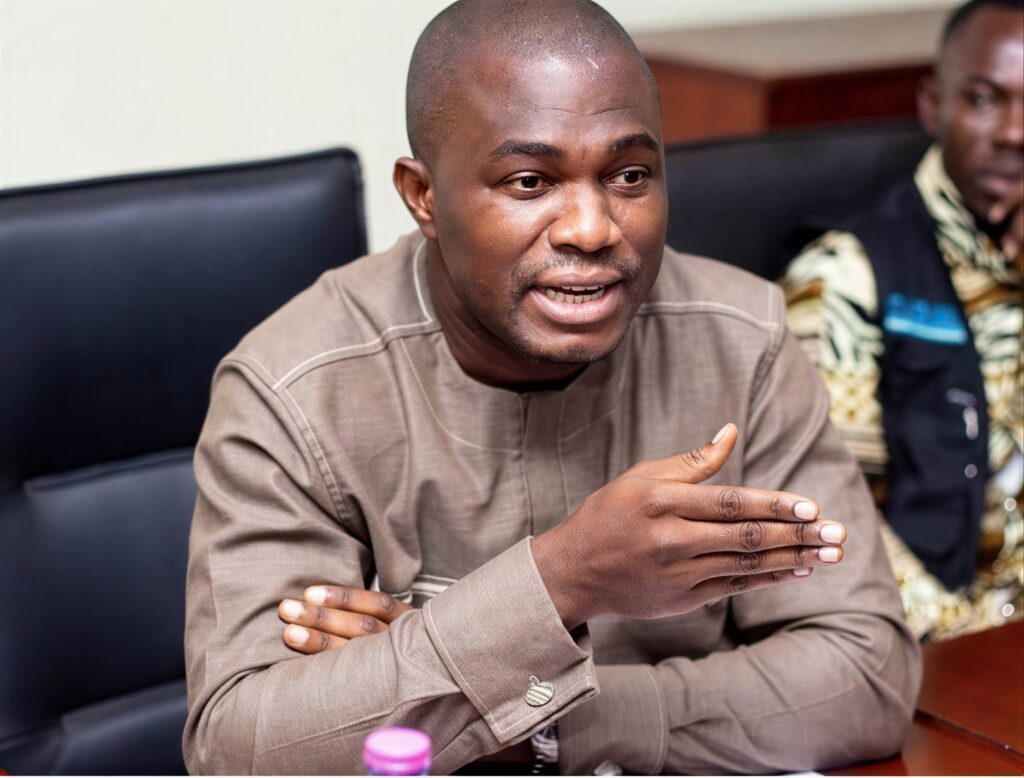
The General Secretary of the National Council of Parents Teachers Association, Gapson Kofi Rafael has called for decisive action following the alleged rape of a 14 year old autistic student at Bolgatanga Girls Senior High School. He argued that the handling of the incident required deeper scrutiny, particularly regarding the treatment of the student and the conduct of officials responsible for her welfare.
Mr Gapson criticised the manner in which the matter had been handled at the school and urged state institutions to demonstrate stronger leadership. From his view, the circumstances surrounding the case raised serious questions about accountability within institutions entrusted with the protection of students.
“No child, and especially a child with special needs, can ever be blamed for abuse by an adult.”Gapson Kofi Rafael
The General Secretary also challenged the implementation of inclusive education, drawing a distinction between enrolling children with special needs and creating an environment capable of protecting and supporting them. He questioned the decision that led to the student losing her boarding status following the reported incident.
According to him, a child who requires additional support should receive protection from the school system, especially when the alleged abuse involves an adult. The priority, he emphasised, should be the welfare of the student and the establishment of conditions that allow her to continue her education safely.
The PTA executive further urged authorities to examine the conduct of the school management as part of efforts to establish what happened. He argued that accountability should extend to every individual whose actions or omissions may have influenced the handling of the matter.
Discussing the response from the Ghana Education Service, Mr Gapson acknowledged the decision to investigate the incident and the possibility of sanctions against officials found culpable. He nevertheless called for the inquiry to examine the wider circumstances surrounding the case and determine how decisions affecting the student were reached.
In addition, the General Secretary questioned explanations concerning the involvement of non teaching personnel at the school. He argued that institutions must exercise proper oversight over everyone working within their premises, including personnel engaged in security, catering and other support services.
The issue of recruitment also featured prominently in his response, with the PTA executive calling for greater scrutiny of the processes used to engage non teaching staff. He urged the Ghana Education Service to examine whether existing regulations were being followed across schools.
Analysing the matter from a national perspective, Mr Gapson urged authorities to treat the incident as an opportunity to examine student safety systems across the country. He proposed a social audit of schools to determine whether similar weaknesses exist in other institutions.
PTA Demands Wider School Safety Audit After Bolgatanga Incident
The call for a wider review centres on how schools recruit, supervise and manage personnel who interact with students. Such an assessment, according to the PTA executive, could help identify gaps before they develop into situations that threaten the welfare of children.
Read also:
- Mahama: My Mission Is to Prove Democracy Delivers Prosperity in Africa
- Maresca Admits It Is Difficult to Retain Players Seeking New Challenges
- GoldBod Urged To Publish Monthly Aggregator Purchasing Data And Spreads
- Ghana Slashes Debt Burden with Belgium Restructuring Deal
- CAGD Orders Closure of Unapproved Bank Account by Public Institutions
Addressing the role of school authorities, the General Secretary argued that management teams carry responsibility for the environment in which students live and study. The presence of external or support personnel, he added, should therefore come with adequate supervision and clear accountability.
A further issue involves the use of internally generated funds to engage personnel within schools. Mr Gapson questioned whether financial arrangements should be used to justify practices that could weaken established public service standards.
He also challenged the idea that the age or employment status of an individual could remove the responsibility of school authorities to supervise activities taking place on campus. In his view, the central issue should remain the protection of students and the proper management of everyone granted access to school facilities.
Meanwhile, the PTA executive called for the investigation to establish whether other officials played a role in decisions taken after the alleged assault. Such an approach, he suggested, would help provide a clearer account of the events and establish responsibility at every relevant level.
The debate also touches on the treatment of children with disabilities within mainstream education. Mr Gapson argued that inclusive education requires practical protection and support for students, with schools equipped to respond appropriately to their individual needs.
Referencing the wider policy objective, he maintained that students with autism and other disabilities should be able to participate fully in mainstream education. The responsibility, therefore, extends beyond admitting such children into schools to ensuring that their educational and welfare needs receive proper attention.
Another aspect of the matter is the relationship between school authorities and parents when serious incidents occur. The PTA General Secretary called for decisions affecting vulnerable students to be handled with greater sensitivity and in a manner that places their welfare at the centre.
Furthermore, the association wants state institutions to examine how information surrounding serious incidents is communicated. Clear reporting, timely intervention and effective coordination, according to the position presented, are essential when the safety of a student is involved.
The proposed social audit could consequently extend beyond Bolgatanga Girls Senior High School to schools in different parts of the country. Its purpose would be to assess recruitment practices, supervision structures and safeguarding arrangements within educational institutions.
“We must go into this matter and make sure that whoever is part of this school management” is properly examined.Gapson Kofi Rafael
The PTA executive also called for stronger institutional accountability when failures occur. He argued that public officials entrusted with managing schools should place the interests of students and the wider public above individual or institutional considerations.