ELS: MBN360 NEWS
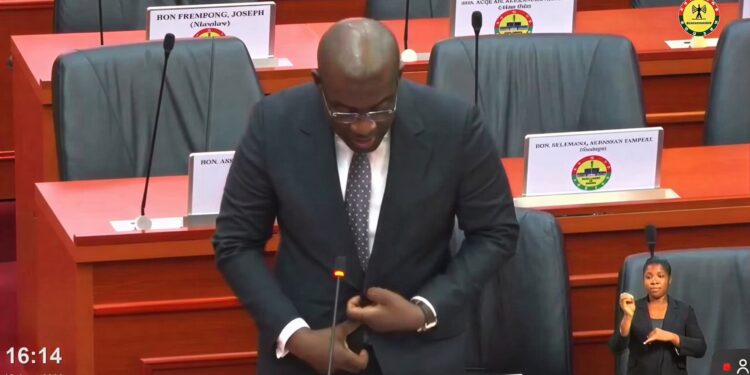
The Former Minister of Information and Member of Parliament for Ofoase Ayirebi, Honourable Kojo Oppong Nkrumah has criticised the government’s budget implementation record, arguing that the Mid-Year Review failed to provide adequate details on the execution of planned economic programmes. He explained that the review was expected to account for how much of the annual economic plan had been completed and the areas where implementation remained outstanding.
Speaking during parliamentary proceedings after the Finance Minister presented the Mid-Year Review Budget, Honourable Nkrumah referenced Section 28 of the Public Financial Management Act as the legal basis for the exercise. The Ofoase Ayirebi MP indicated that the review serves as an opportunity for government to provide a clear assessment of its spending commitments and policy delivery.
The former Information Minister also challenged claims surrounding the presentation of the Mid-Year Review, disputing assertions that it marked the first time a Finance Minister delivered such a report without requesting additional resources. According to Honourable Nkrumah, the significant issue was the absence of details on how much of the government’s economic programme had been achieved.
“This is the first time a Finance Minister has presented the midyear review and has not been able to tell the country how much of the economic programme has been executed.”Honourable Kojo Oppong Nkrumah
Turning to budget performance, the Ofoase Ayirebi MP pointed to Appendix 2A of the Mid-Year Review document, where he claimed several projects and programmes had not been carried out halfway through the year. He alleged that government had failed to execute projects valued at about GH¢30 billion, a situation he linked to delays in delivering promised initiatives.
Honourable Nkrumah further argued that uncompleted budget commitments affected job creation, infrastructure development and public programmes expected to benefit communities. He urged members of Parliament to examine the budget documents carefully when assessing government’s performance.

The legislator also rejected the explanation that spending limitations were connected to commitments under the International Monetary Fund programme. From his perspective, fiscal targets should guide economic management after planned policies have been implemented, adding that revenue mobilisation should receive greater focus.
Referencing future fiscal plans, the Ofoase Ayirebi MP questioned proposals to adjust the primary balance target from 1.5 percent to 0.5 percent. He suggested that strengthening revenue measures would provide a more sustainable path for financing government priorities.
Honourable Nkrumah added that effective budget execution remains essential for translating economic policies into practical outcomes for citizens. He urged the government to improve implementation efforts and ensure that approved programmes reach the communities they are designed to serve.
Read also:
- Government endorses proposal to end death penalty.
- Government endorses proposal to end death penalty,
- BTS to skip 2027 Grammy Awards submissions over new Asian pop categor
- NMC Rejects Claims Ghana Has Overproduced Nurses and Midwives
- Govt pushes COCOBOD Bill to boost local processing, protect farmers and reform sector financing
Budget Delays Affect Projects, Jobs And Public Services Delivery
The discussion on budget execution also extended to the impact of delayed spending on key sectors of the economy, with Honourable Kojo Oppong Nkrumah arguing that reduced implementation had affected government programmes and services. The Ofoase Ayirebi MP stated that communities could feel the effects of delayed investments through challenges in infrastructure, agriculture and employment opportunities.
Addressing specific areas, Honourable Nkrumah pointed to flood control measures and linked delayed expenditure to the country’s ability to respond effectively to emergencies. He cited World Bank observations on expenditure challenges and connected the issue to the impact of flooding that led to loss of lives.
The legislator further highlighted the agriculture sector, where he questioned the release of funds meant for fertiliser distribution and other farming support programmes. He referenced comments from the Agriculture Minister and argued that delays in financing could influence production activities and market conditions.
On employment, the former Information Minister raised issues surrounding financial clearance for recruitment in public institutions. He indicated that sectors such as education and health had requested additional personnel, yet recruitment processes had faced delays due to spending limitations.
“When you fail to execute 30 billion Ghana cedis worth of projects in your budget, that is the cost of what you are doing.”Honourable Kojo Oppong Nkrumah
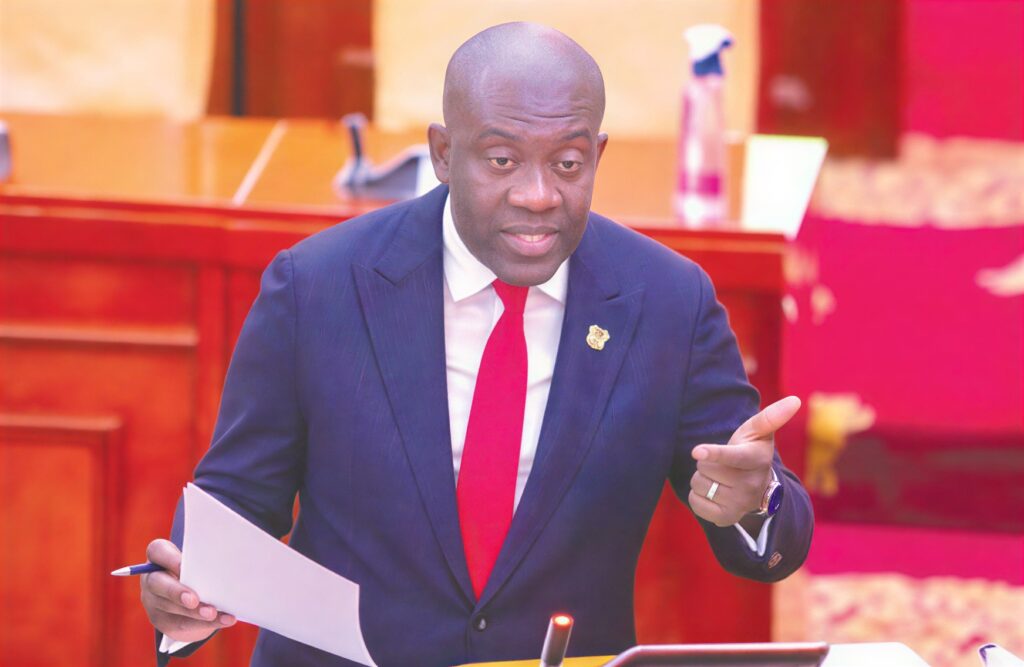
The Ofoase Ayirebi MP also used local market experiences to explain how economic policies affect ordinary citizens. Speaking in Twi during the parliamentary debate, he referenced concerns from traders who, according to him, were experiencing difficulties despite official inflation figures showing a decline.
Furthermore, Honourable Nkrumah argued that lower inflation figures should be considered alongside the everyday experiences of households and businesses. He suggested that market conditions and purchasing power remain important measures when assessing economic progress.
Referencing import duties, the former Information Minister also mentioned comments from spare parts dealers at Abossey Okai. He alleged that some business operators had raised issues about changes in import costs and their effects on trade activities.
On the future direction of economic management, Honourable Nkrumah outlined the opposition’s position on fiscal policy and promised a different approach under a future administration led by Dr Mahamudu Bawumia. He stated that maintaining price stability, strengthening the currency and improving economic conditions would be priorities.
The Ofoase Ayirebi MP stressed that economic indicators must connect with the daily realities of citizens. He urged policymakers to focus on implementation, revenue mobilisation and measures that support businesses and households.