Els: MBN360 News
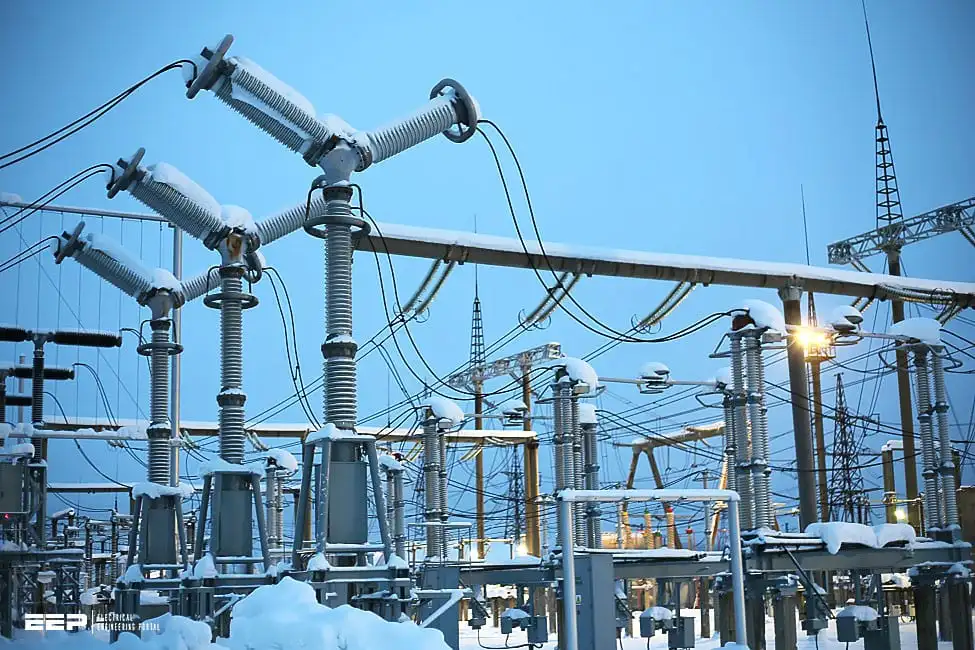
The Food and Beverages Association of Ghana (FABAG) has renewed calls for comprehensive reforms in Ghana’s power sector, warning that continued increases in electricity tariffs are placing an unsustainable burden on manufacturers and threatening the country’s industrial growth agenda.
The association’s concerns follow the latest tariff review by the Public Utilities Regulatory Commission (PURC), which announced a 3.49 per cent increase in electricity tariffs and a 0.85 per cent rise in water tariffs across all consumer categories, effective July 1, 2026.
PURC attributed the adjustments to changes in key economic indicators, including inflation, exchange rate movements, fuel costs and the country’s electricity generation mix. However, FABAG argues that the recurring tariff hikes fail to address the underlying inefficiencies that continue to plague the utility sector.
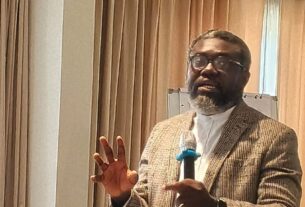
Speaking on the development, FABAG Executive Chairman Rev. John Awuni described the persistent upward review of electricity tariffs as a major setback to industrial development and business expansion.
“The persistent increases in electricity tariffs are a complete disincentive for industrial development,” he stated.
His comments come at a time when manufacturers are already grappling with rising production costs driven by expensive financing, transportation costs, imported raw material prices, taxes, utility charges and broader economic pressures. Although inflation has moderated significantly in recent months and the cedi has recorded relative stability against major trading currencies, many businesses say the cumulative impact of years of elevated operating costs continues to affect productivity and profitability.
For manufacturers, particularly those in the food and beverage sector, electricity remains one of the most significant components of production expenditure. Industry players have repeatedly warned that higher utility costs increase the cost of goods produced locally, reduce competitiveness and ultimately lead to higher prices for consumers.
Read also:
- Fair Trial Must Prevail in Wontumi Case — Atta Akyea
- Herald editor Larry Dogbey granted bail after contempt conviction
- KNUST, Promotes Mineral Waste for Sustainable National Economic Development
- Gov’t rules out major public sector salary renegotiations in 2026.
- Ghana Economy to Experience positive impact Under New Oil Initiative
According to Rev. Awuni, tariff increases may provide temporary financial relief for utility providers but do little to resolve the structural and operational challenges confronting the power sector.
“Continuous adjustments of electricity tariffs will never make the utility sector efficient, will never make the industrial sector develop, and will never bring illegal users of electricity into the legal space,” he said.
He argued that the sector’s difficulties stem largely from inefficiencies in management, revenue mobilisation, distribution losses and power theft rather than from inadequate tariff levels.
Rev. Awuni further noted that Ghana already ranks among countries with relatively high electricity costs in the sub-region, warning that additional increases could undermine efforts to attract investment, expand local production and create jobs.
He called on policymakers to focus on long-term reforms aimed at improving efficiency, reducing technical and commercial losses, strengthening revenue collection and ensuring greater accountability across the electricity value chain.
“We must begin to face the bull by the horns, and facing it by the horns is not the continual adjustment of electricity tariffs. That is a very lazy way of dealing with the inefficiency of the power sector,” he stressed.
The latest concerns from FABAG add to growing calls from industry groups for a more sustainable approach to addressing the financial challenges in Ghana’s energy sector. Businesses argue that without meaningful reforms, recurring tariff increases could weaken industrial output, discourage investment and slow the country’s broader industrialisation drive at a time when the government is seeking to accelerate economic growth and employment creation.