
ELS: MBN360 NEWS
The Deputy General Secretary of the National Democratic Congress, Mustapha Gbande has described the Supreme Court’s decision to end the delegate voting system in political party elections as a development with both positive and challenging implications for Ghana’s democracy. He explained that while the ruling could expand participation within political parties, practical issues surrounding implementation would require careful consideration.
Mr Gbande noted that the decision is part of Ghana’s continuous democratic journey and recognised the efforts of citizens and institutions in strengthening political participation. He stated that the country has moved beyond conversations about military interventions and was now focused on improving democratic structures.

“Democracy comes with a cost and sacrifice, but we must continue to deepen and strengthen it. The important thing is how we manage the processes that come with expanding participation.”Mustapha Gbande
Addressing the impact of the ruling, the Deputy General Secretary explained that the NDC previously explored a system that allowed wider participation among members. He recalled that the party encountered difficulties during that process and later abandoned the arrangement after assessing the challenges involved.
According to Mr Gbande, the Supreme Court’s directive introduces a new situation because political parties are now required to operate within a framework established by the court. He indicated that the party would need to study the full judgement before determining the steps required to comply with the decision.
Turning to the practical demands of universal voting, he highlighted questions surrounding the organisation and financing of internal elections. The Deputy General Secretary explained that even the existing delegate system requires significant resources to ensure credible processes.
Furthermore, Mr Gbande raised issues surrounding electoral supervision and logistics that political parties would need to address under the new arrangement. He questioned whether the state would provide support for such exercises or whether political parties would carry the financial responsibility themselves.
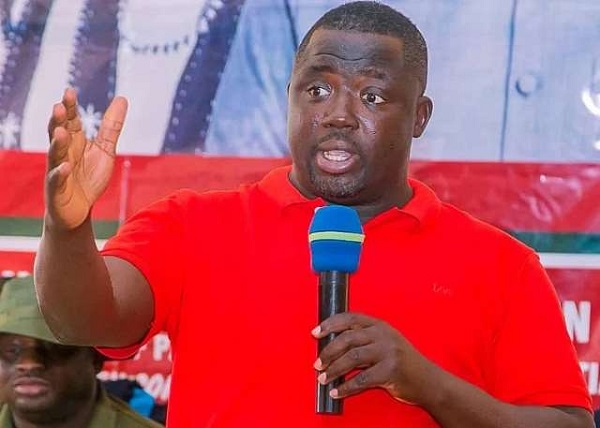
“The party will sit, read the judgement and understand all the issues the court has raised. After our lawyers explain the implications, we will come to an informed position on the way forward.”Mustapha Gbande
The NDC official added that mobilising a larger number of party members for internal elections would require detailed planning. He explained that political parties would have to determine whether voting would take place at electoral area, district or constituency levels.
On this matter, Mr Gbande emphasised that expanding participation must come with structures capable of managing the process effectively. He stated that the party would rely on legal guidance and internal discussions before making an official determination on the ruling.
The Deputy General Secretary further described the judgement as an issue that requires careful assessment due to the responsibilities it places on political organisations. He indicated that the NDC would engage with the legal details before communicating its final position.
Additionally, Mr Gbande acknowledged that the ruling represents a significant moment in Ghana’s political development. He suggested that the outcome could provide an opportunity for parties to review their internal systems and improve democratic participation.
Read also:
- Minority accuses government of undermining Ghana’s democratic institutions
- Reform UK’s Deputy Leader Under Investigation Over Alleged Interests Declaration Failure
- France Rejects Reform UK’s Proposal to Deploy Royal Navy in English Channel
- Ghana Reaffirms $12bn First Phase of Petroleum Hub Project
- King Promise Features on CKay’s New Album Banger Boy
Money Politics Debate Deepens After Voting System Judgment
The Deputy General Secretary of the National Democratic Congress, Mustapha Gbande also stated that expanding voting participation within political parties alone would not completely eliminate challenges associated with money in politics. He argued that Ghana’s electoral laws must clearly define vote buying and establish standards that distinguish unlawful practices from legitimate political activities.
Mr Gbande explained that political parties have different experiences with their internal electoral systems and suggested that the impact of the Supreme Court ruling would depend on how the new arrangements are implemented. He cited the experiences of some political figures who have raised issues about delegate based elections within their own political tradition.

The Deputy General Secretary mentioned former diplomat Dr Nyaho Nyaho-Tamakloe and Professor Kwabena Frimpong-Boateng as individuals who have shared perspectives about political practices within the New Patriotic Party. He noted that their experiences may have influenced their views on the effectiveness of delegate systems.
Analysing universal voting, Mr Gbande argued that widening the electoral college would not automatically address financial influence in party contests. He referred to the NPP’s presidential primaries, where participation was expanded significantly, yet allegations of money exchanges still emerged during the process.
“Universal voting will not by itself cure the problem of money in politics. We must define what vote buying means, set the standards and determine when an action crosses the line into a criminal activity.”Mustapha Gbande
The NDC official stressed that political discussions should avoid placing all candidates and lawmakers under the same description without examining individual records. He referred to constituencies represented by John Jinapor, Haruna Iddrisu and Alexander Afenyo Markin as examples where political experience and public service should be considered.
Mr Gbande explained that long standing political figures should not automatically be labelled as beneficiaries of improper practices because they have built careers through years of engagement with citizens. He however acknowledged that instances of unethical conduct could occur within political processes.
Development Of System For The Parties
Discussing recent developments within political parties, the Deputy General Secretary pointed to the Ayawaso West Wuogon incident as an example that prompted further review of internal electoral regulations. He explained that the response to the matter created an opportunity to establish clearer standards for acceptable conduct during party elections.
Furthermore, Mr Gbande indicated that future parliamentary election regulations would need to outline what qualifies as ethical behaviour and what actions amount to electoral offences. He noted that clearer guidelines could help political parties manage internal contests more effectively.

Addressing the Supreme Court ruling itself, the NDC official said the party had not taken an official position on the judgement because its legal team was still examining the details. He explained that the party would wait for a proper interpretation of the ruling before communicating its position.
Additionally, Mr Gbande said political parties must approach the ruling with careful consideration because it introduces new obligations for internal organisation. He indicated that a detailed review would help the party determine the appropriate response to the court’s directive.
The Deputy General Secretary added that Ghana’s democratic progress depends on developing systems that encourage participation while protecting the integrity of political processes. He stated that future reforms must combine wider involvement with strong measures that promote fairness and accountability.