ELS: MBN360 NEWS
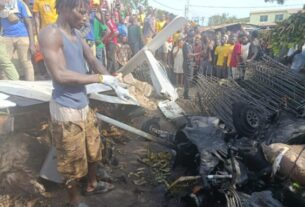
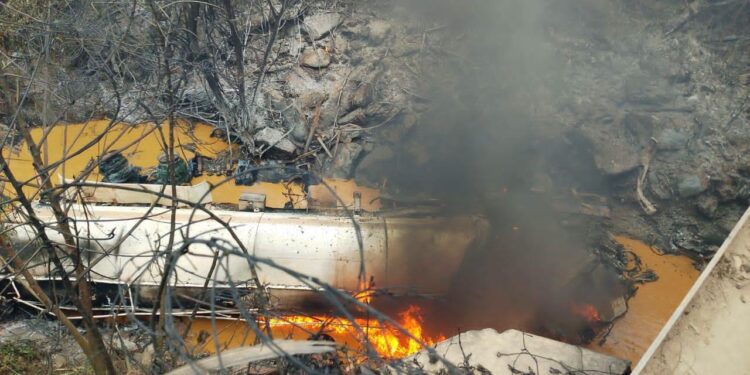
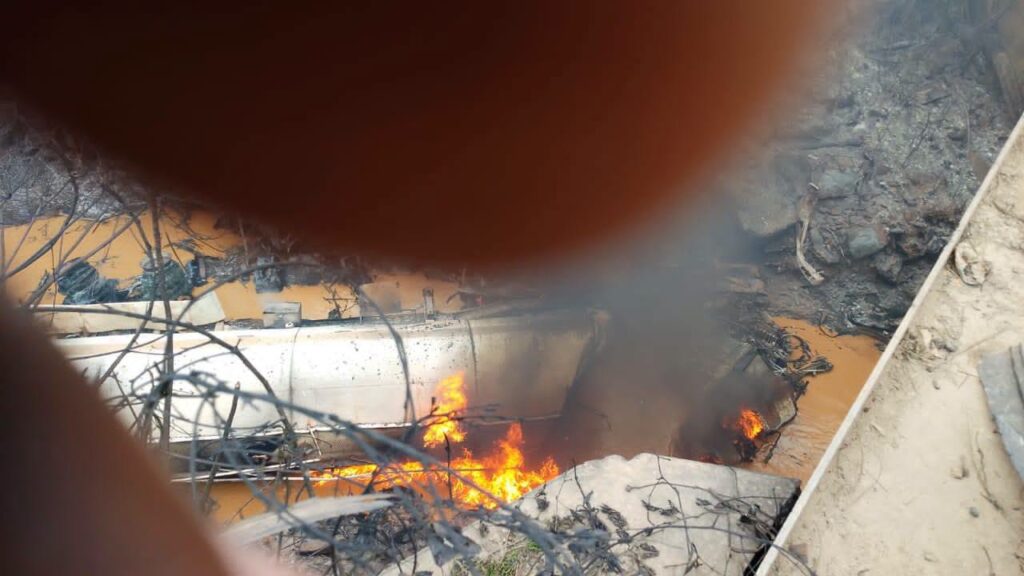
The Ghana Police Service issued a public notice announcing a temporary traffic diversion on the Accra-Kumasi highway on Monday, August 3, 2026, after a pile-up crash at Birimso Bridge on the N6 highway completely blocked the road for traffic travelling in both directions.
According to the police notice, the accident involved a high-occupancy passenger bus, a loaded articulated truck and a sedan, resulting in a complete blockade of the road for both Accra and Kumasi-bound traffic.
Diversion Routes Established Through Kibi
The Eastern South Regional Police Motor Traffic and Transport Department team from Kibi responded to the scene and established alternative routes to keep traffic moving while the highway remains blocked.

The Police Service urged motorists and other road users to cooperate with officers working to manage the situation and restore normal traffic flow along the affected stretch of highway. “We entreat motorists and other road users to cooperate with the officers on the ground as they work to restore normal traffic flow,” the notice said.
Public Reaction Points to Recurring Danger
The notice triggered widespread reaction on social media, with many commenters describing Birimso Bridge and the surrounding stretch of highway as a recurring site of accidents.
Don Francis Hanoman questioned why the location continues to see repeated incidents despite previous crashes. “That place ankasa, what is there? Almost every month, accidents occur there. Debris from accidents have never been completely cleared because while you’re on course, then boom, another car is in the water. What is happening there?” he wrote.
Several commenters proposed structural solutions to address the recurring danger, with some specifically calling for dedicated lanes separating heavy vehicles from ordinary traffic.
Rocky Asare argued that tankers and large vehicles operate under different braking conditions than smaller cars. “I always say, let these tankers and big cars have their separate roads, their brakes work different from our ordinary cars, they need to create a separate road for them,” he wrote.
Rail Transport Suggested as Alternative
Daniel Ofori pointed to Ghana’s underused rail infrastructure as a potential long-term solution, arguing that shifting heavy cargo transport away from the road network could reduce the frequency of such accidents. “That’s why we need to get our railroads up and running. A lot of heavy stuff and fuel can go by rail,” he wrote.
Other commenters pointed to a combination of reckless driving and poor road conditions as contributing factors to the persistent danger along the corridor. Natasha Serra traced a pattern of transport operators involved in previous incidents along the route, arguing that road conditions alone do not explain the frequency of crashes.
Read also:
- Eco-Conscious Coordinator Calls for Stronger Oversight of Mining Activities
- 9,000 Miners Registered for Responsible Mining Scheme, Ministry’s Spokesperson Discloses
- Ghana’s Inflation Fight Scores Major Victory As July Inflation Drops to 4.6%
- Inusah Fuseini opposes proposal to extend presidential term.
- Haruna Iddrisu critiques Parliament’s approach to oversight role

“It started with Sprinter, followed by Toyota mini buses popularly known as 2M Express, then VIP, and now STC, be there and still believe is the road, this goes beyond bad road,” she wrote.
Seth Asante recounted a near miss he witnessed involving reckless overtaking near the same corridor the day before the latest crash. “Yesterday coming from Kumasi one trailer nearly jam our VIP. Kudos to that VIP driver, reckless overtaking paaa from the trailer,” he wrote.
Grim Comparisons Reflect Public Frustration
The tone of public reaction reflected deep frustration with the persistent danger along the highway, with some commenters using stark language to describe the risks drivers face on the route. Kwabena Nquay described the experience of driving the highway in blunt terms. “Driving on this highway is like playing death jam,” he wrote.
Axios Prosper compared the corridor to a well-known action film franchise known for depicting high-speed vehicular chaos. “The Kumasi-Accra highway is like a Hollywood movie called Death Race or Mad Max. It’s a 50/50 life-and-death trap road,” he wrote.
Odehye Kwaku Owusu-Baah raised a pointed question about the design of the road itself, questioning decisions related to speed control measures along the corridor. “So who advised for speed ramps there,” he wrote.
A Highway With a History of Fatal Accidents
The public reaction to this latest incident reflects broader, long-standing concerns about safety along the Accra-Kumasi highway, one of Ghana’s busiest and most economically significant transport corridors connecting the country’s two largest cities.
The N6 highway has featured prominently in previous discussions about road infrastructure investment, including the ongoing Ofankor-Nsawam expansion project aimed at addressing congestion and safety concerns along sections of the broader Accra-Kumasi corridor.
With police maintaining diversions through Nsutam and Apedwa while clearing the scene at Birimso Bridge, motorists travelling between Accra and Kumasi are expected to face delays until normal traffic flow resumes along the highway.
The recurring nature of accidents at this specific location, as highlighted by public commentary following the notice, suggests that addressing the underlying causes, whether related to road design, vehicle-specific lane separation, or driver behaviour, may require sustained attention beyond the immediate emergency response to this latest crash.