
Els: MBN360 News
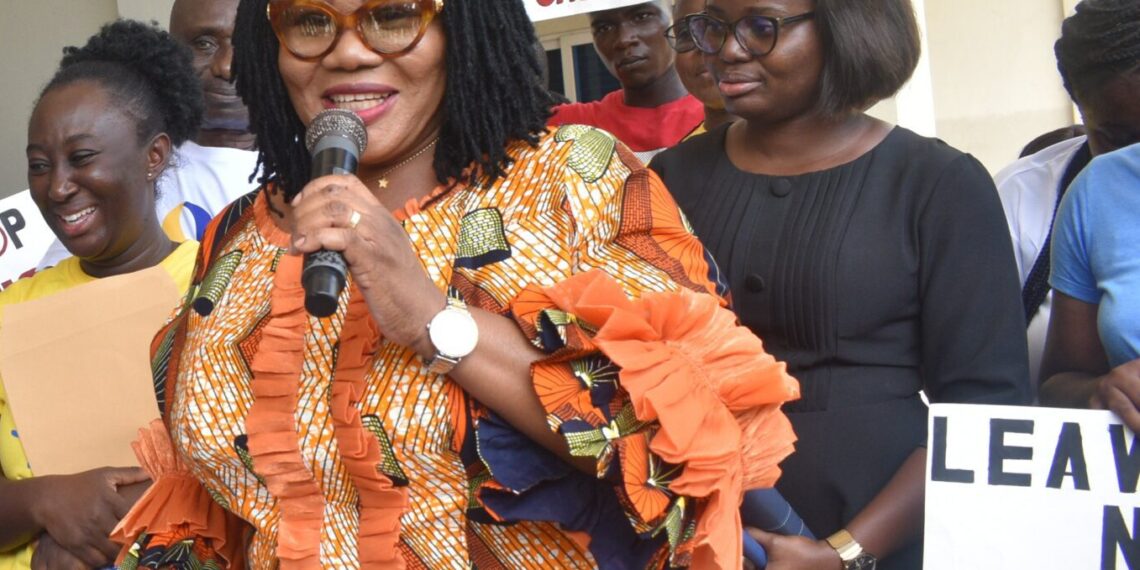
The Minister for Gender, Children and Social Protection, Honourable Dr. Agnes Naa Momo Lartey has outlined measures aimed at improving the quality, safety and nutritional value of meals served under the Ghana School Feeding Programme. She stated during parliamentary proceedings that the government is intensifying reforms to ensure beneficiary children receive balanced and nutritious meals across the country.
Honourable Lartey indicated that the programme has reviewed all 16 regional ecological menus as part of the government’s resetting agenda under President John Dramani Mahama. The Minister explained that the review seeks to align meal provision with nutritional needs in various ecological zones.
In furtherance of that effort, she highlighted partnerships with the World Food Programme and the Korea International Cooperation Agency. These collaborations, she said, have supported the piloting of School Connect, a digital monitoring system designed to track compliance with approved menus and improve accountability.
She indicated that reforms centres on monitoring meal preparation and service delivery. Honourable Lartey noted that the technology allows programme managers to identify lapses early and respond swiftly to breaches of operational standards.
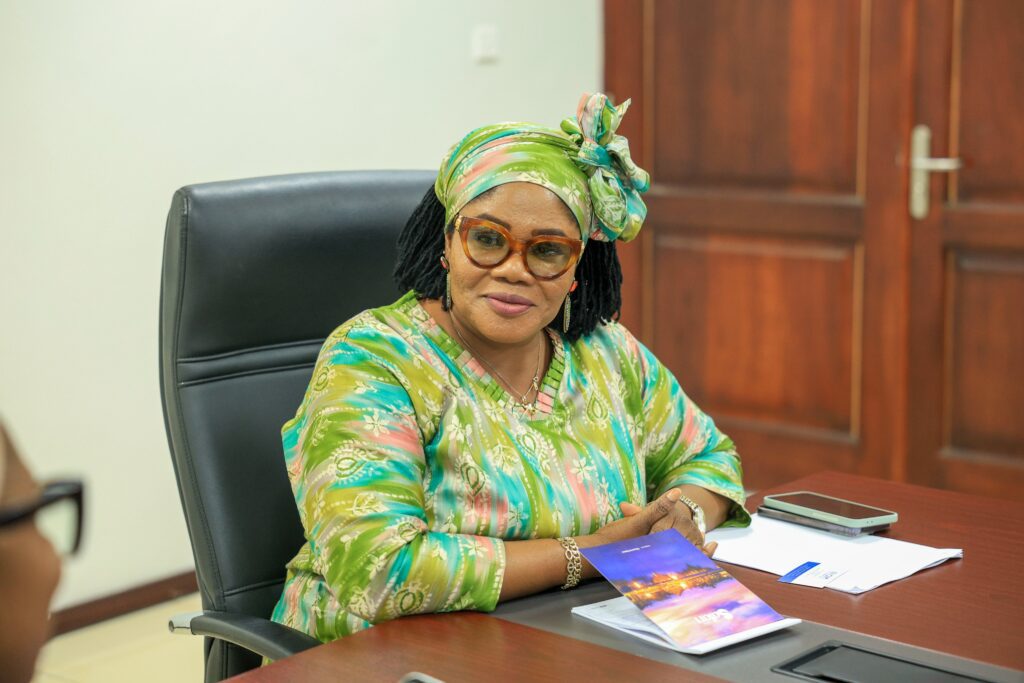
Additionally, the Minister revealed that support from the World Bank has enabled the development of school menu cards. She explained that the cards provide clear guidance on food quantities, portion control and nutritional requirements for caterers.
“Government remains committed to improving the quality, safety and nutritional value of meals served under the programme. We are confident these interventions will strengthen service delivery and improve nutritional outcomes for school children across the country.”Honourable Dr. Agnes Naa Momo Lartey
Additional measures have also targeted the capacity of caterers and head cooks. Honourable Lartey said nationwide training programmes have focused on food hygiene, food safety and the preparation of wholesome meals in line with standard operating procedures.
Moreover, she disclosed the introduction of soybean powder as an additional protein source in meals. The Minister said the ingredient is now being incorporated into dishes including banku, TZ, kenkey, rice balls, waakye, jollof rice, soups and stews to improve nutritional quality in a cost effective way.
Routine supervision has also been intensified at national, regional, district and school levels. Honourable Lartey stated that continuous inspections are helping to enforce compliance and improve standards.
She subsequently acknowledged instances where meals served fell below acceptable standards. In such situations, the Minister said caterers were directed to withdraw the meals and prepare suitable replacements, while repeated violations have resulted in contract termination.
Multi Agency Efforts For Street Children Reintegration
Honourable Dr. Agnes Naa Momo Lartey also detailed ongoing interventions aimed at removing children from the streets and supporting their reintegration into safer environments. She said the Ministry’s strategy depends heavily on collaboration with multiple institutions working across protection and enforcement systems.
Read also:
- Fair Trial Must Prevail in Wontumi Case — Atta Akyea
- Herald editor Larry Dogbey granted bail after contempt conviction
- KNUST, Promotes Mineral Waste for Sustainable National Economic Development
- Gov’t rules out major public sector salary renegotiations in 2026.
- Ghana Economy to Experience positive impact Under New Oil Initiative
The Minister explained that the Ministry for Gender, Children and Social Protection does not undertake these operations alone. She noted that coordinated action remains essential in addressing the complex social issues surrounding streetism.
Integral to the intervention framework is collaboration with security agencies and local authorities. Honourable Lartey identified the Metropolitan, Municipal and District Assemblies, the Department of Social Welfare and Community Development, the Ghana Immigration Service and the Ghana Police Service as key partners.

Civil society organisations and development partners also play vital roles in the reintegration process. The Minister said each institution contributes distinct expertise that strengthens intervention efforts.
Special attention is also given to the status of affected children during rescue operations. Honourable Lartey explained that Ghanaian children are supported through reintegration programmes, while foreign nationals are repatriated with assistance from the Immigration Service and the Ministry of Foreign Affairs.
“We work collaboratively with many institutions because this task requires shared responsibility. Each partner plays a critical role in ensuring successful reintegration.”Honourable Dr. Agnes Naa Momo Lartey
She indicated that the interventions are yielding visible results. Honourable Lartey argued that without these measures, the number of children living on the streets would be significantly higher.
The Minister also drew attention to the dangers street life poses to vulnerable children. She said exposure to exploitation, abuse and insecurity makes sustained intervention necessary for child protection.
“To a large extent, the measures are working. Without these interventions, our streets would be flooded and the risks to children would be far greater.”Honourable Dr. Agnes Naa Momo Lartey
Resource limitations, she noted, continue to affect the frequency of operations. Even so, Honourable Lartey said ongoing interventions are producing steady progress toward safer outcomes.
She emphasised that while the ideal situation has not yet been achieved, government remains committed to strengthening existing systems. The Minister ultimately told Parliament that sustained partnerships and adequate resources will be crucial to long term success in protecting vulnerable children.