
Els: MBN360 Extractives/Energy
The Ghana National Gas Company (GNGC) and the Ghana Grid Company (GRIDCo) have jointly announced a major technical failure at the Atuabo Gas Processing Plant, triggering an immediate shutdown of operations and a subsequent shortfall in the national power supply.
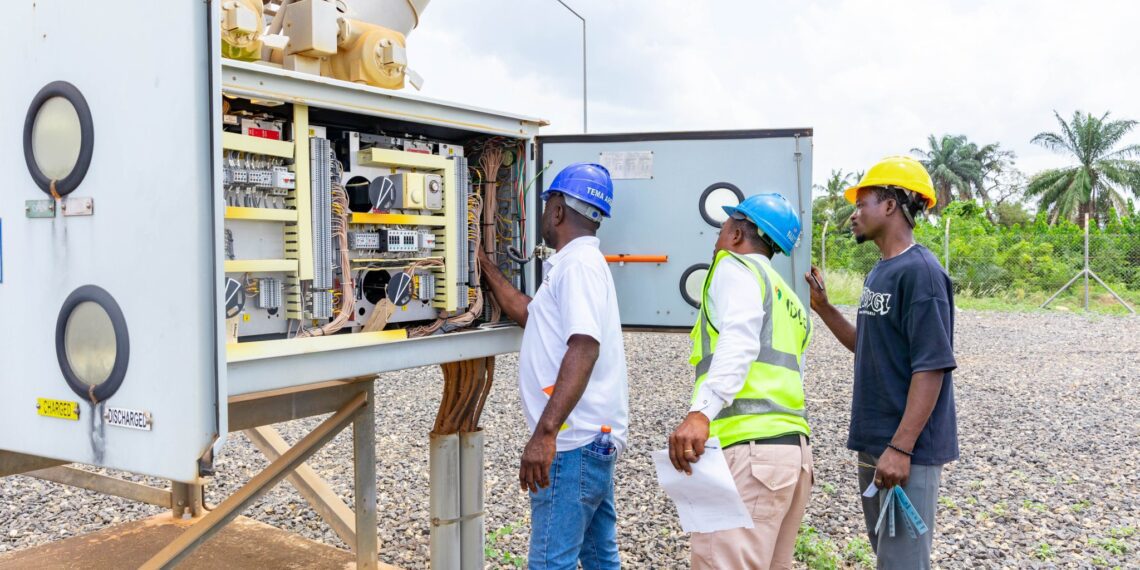
This crisis emerged following the total collapse of the Burner Management System (BMS) controller within the facility’s Heat Medium System (HMS). As this controller serves as the “brain” for regulating critical heating processes required for gas processing, its failure has halted the flow of lean gas to thermal power plants across the country, plunging several regions into unexpected darkness.
“The Ghana Gas Processing Plant has experienced a significant technical fault following the complete failure of the Burner Management System (BMS) controller for the Heat Medium System (HMS). Preliminary assessments indicate that the affected system is damaged and will require a full replacement. This unforeseen development has necessitated an emergency shut-down of the plant, leading to a temporary curtailment of gas supply to thermal power plants.”Ghana National Gas Company (GNGC)

Engineers at the facility have determined that the BMS controller is beyond simple repair, necessitating a complete replacement of the sophisticated hardware to ensure the plant can resume safe operations.
Because the Heat Medium System is essential for maintaining the temperatures required to separate raw gas into its various components, the emergency shutdown was unavoidable to prevent a catastrophic safety breach.
This curtailment comes at a sensitive time for Ghana’s energy sector, which has been transitioning toward a natural gas-heavy mix to lower costs, making the sudden loss of this domestic fuel source a significant blow to grid stability.
Infrastructure Vulnerability and the Green Transition

As an energy and green transition blogger, I find this incident highlights a glaring paradox in our march toward a more sustainable energy future.
While Ghana has successfully shifted away from expensive Light Crude Oil (LCO) to utilize cleaner natural gas a move that has historically slashed production costs this incident exposes the “single point of failure” risks inherent in our current infrastructure.
The failure of a single digital controller has effectively bottlenecked the nation’s thermal generation capacity, reminding us that the green transition is only as robust as the hardware supporting it.
A “comprehensive technical and safety risk assessment” is currently underway to ensure that the restoration process does not compromise the integrity of the plant.
However, the reliance on a specific, imported BMS controller for the HMS indicates that our energy security remains tied to complex global supply chains for specialized components.
Read also:
- UK Launches AI Tutoring Programme to Support Disadvantaged Students
- CDD-Ghana calls for 10% increase in DACF.
- WHO commends Mahama over Free Primary Healthcare
- Berekum Chelsea set Dominic Frimpong’s funeral for April 29 in Assin Fosu
- South African politician Julius Malema sentenced to five years in prison for gun offenses
For a country aiming to become a regional power hub, these “unforeseen developments” suggest a need for more redundant systems and localized spare parts inventories to prevent a total “curtailment of gas supply” from a single equipment glitch.
The Socio-Economic Toll of Sudden Outages

The impact of these power disruptions on consumers and the broader economy is immediate and multi-layered.
For small-scale enterprises the backbone of Ghana’s economy the lack of a “timely update” before the initial trip meant that many businesses were caught off guard, leading to potential equipment damage and lost productivity.
From cold store operators in Tema to tech startups in the Silicon Accra enclave, the disruption forces an expensive reliance on diesel generators, effectively erasing the cost-savings that the transition to natural gas was supposed to provide.
On a household level, the “power supply disruptions in some parts of the country” have caused significant frustration, especially as citizens have recently been promised a more resilient grid.
Sudden outages disrupt everything from domestic water pumping to evening education and security lighting. Furthermore, the volatility in the grid caused by the sudden loss of thermal units can lead to voltage fluctuations, posing a risk to sensitive home electronics and industrial machinery alike.
Restoration Efforts and Future Outlook

A “dedicated team of engineers is working diligently, around the clock,” to install the new controller and bring the Heat Medium System back online. GNGC officials have expressed optimism that they will “commence processes to restore operations within the course of today,” which would be a remarkable turnaround for a full system replacement.
This rapid response is critical, as every hour the plant remains idle increases the financial pressure on the Volta River Authority (VRA) to find alternative, more expensive fuel sources to keep the lights on.
As we look toward the future, this event must serve as a catalyst for a more “secure pathway” in our energy planning.
We cannot talk about a green transition without talking about infrastructure resilience.
While we “appreciate the understanding and cooperation” requested by the state agencies, the long-term solution lies in ensuring that our processing plants have the redundancy needed to weather the failure of a single controller without leaving the nation in the dark.
Moving forward, the Ministry of Energy must prioritize the “effective and secure” upgrading of these aging control systems to match the modern demands of our national grid.