Els: MBN360 Education
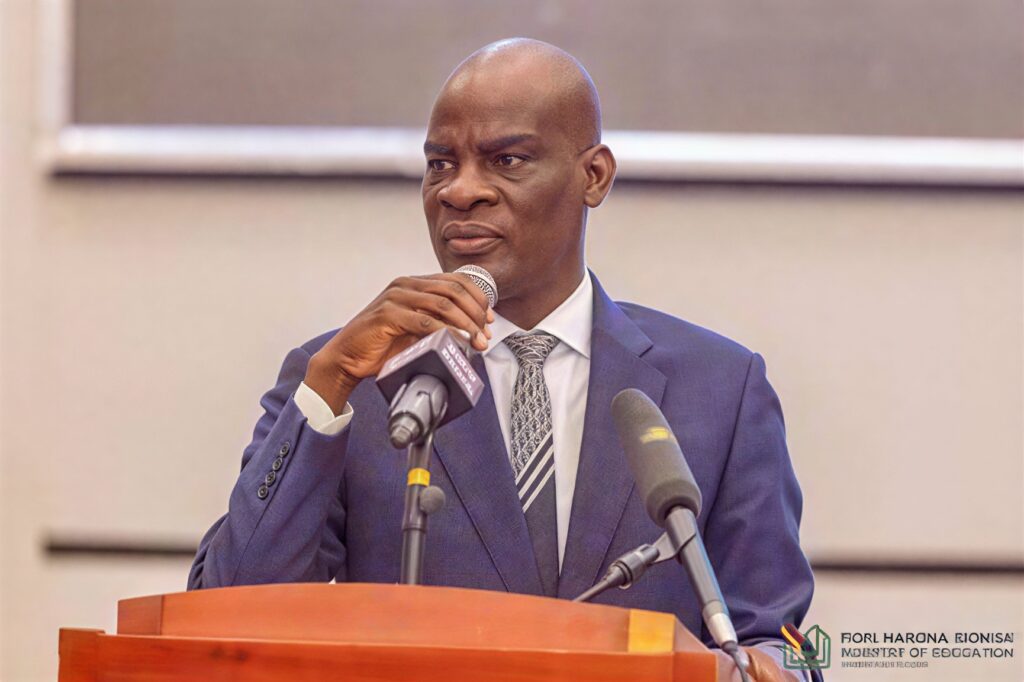
The Minister of Education and Member of Parliament for Tamale South, Honourable Haruna Iddrisu, has announced a series of targeted interventions aimed at improving teacher welfare and strengthening retention, especially in rural and underserved communities. His remarks during parliamentary proceedings on Thursday underscored government’s renewed focus on teacher motivation as a critical pillar for improving educational outcomes across the country.
Honourable Iddrisu explained that the Ministry of Education, working closely with the Ghana Education Service, has intensified efforts to make teaching in deprived areas more attractive. The Education Minister stated that welfare support now occupies a central place in policy discussions as authorities seek to address persistent staffing gaps in remote communities.
Addressing one of the flagship interventions, Honourable Iddrisu disclosed that government has reduced the study leave qualification period for teachers serving in deprived areas. Under the revised arrangement, eligible teachers can now apply for study leave with pay after two years of service instead of three.
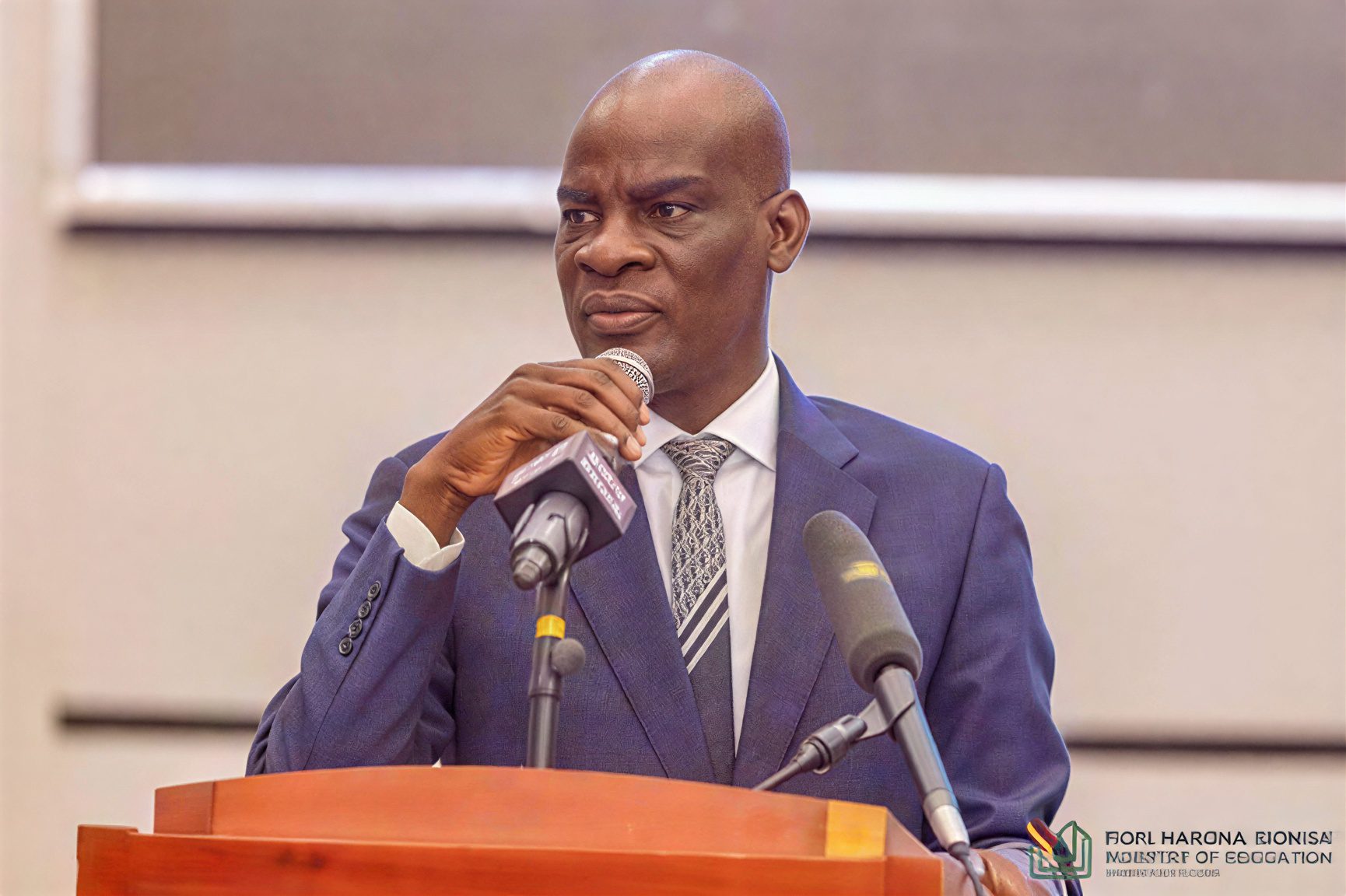
The Education Minister noted that the adjustment is expected to serve as a strong incentive for teachers considering postings to rural districts. In effect, the policy aims to reward service in difficult locations while supporting professional development.
“Teacher welfare is a national priority because motivation strengthens dignity, retention and long term educational gains. Every intervention must improve the quality of teaching across the country.”Honourable Haruna Iddrisu
Additionally, he revealed that continuous professional development remains an essential component of government’s education strategy. Capacity building programmes, he said, are being expanded to ensure teachers remain equipped with modern instructional skills.
Another major policy focuses on financial incentives for rural teachers. Honourable Iddrisu stated that government is working with the Ministry of Finance and the Ghana Education Service to operationalise the promised 20 percent rural posting allowance.
The Education Minister also identified accommodation as one of the most pressing barriers to teacher retention in underserved communities. For that reason, government has advanced the Teacher Dabre initiative to provide dedicated housing for teachers posted to remote areas.
In light of this, all new school block contracts will now include teacher accommodation as a mandatory component. The directive, according to Honourable Iddrisu, seeks to ensure that infrastructure development addresses both student and teacher needs.
“When we build schools, we must also provide accommodation for teachers. Sustainable deployment depends on creating conditions that make service in rural communities practical and dignified.”Honourable Haruna Iddrisu
Read also:
Moreover, he disclosed that the Teacher Dabre initiative will be decentralised through the District Assemblies Common Fund. The programme will also leverage pension-backed collateral under GISOP to support financing and accelerate implementation.
Honourable Iddrisu added that consultations are already underway with the Ministries of Finance, Works and Housing and Local Government to finalise a cabinet roadmap. He signalled government’s determination to move from policy design to implementation in the shortest possible time.
New Placement Reforms Promise Fairer Access To Schools
Honourable Iddrisu stated that a new scheme of service has transformed promotion structures within the Ghana Education Service. Promotions, he explained, are no longer tied strictly to office vacancies.
This new arrangement allows long serving teachers to progress based on service and eligibility. The policy also includes accompanying privileges intended to improve morale and professional satisfaction.
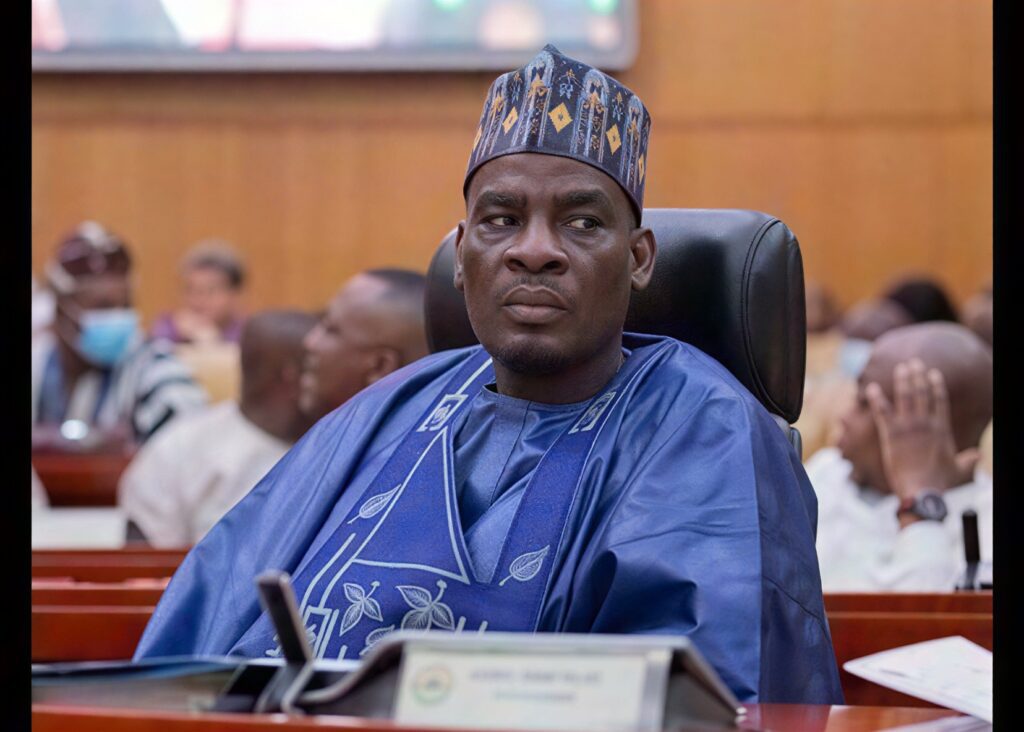
Furthermore, the Education Minister disclosed ongoing negotiations between the Fair Wages and Salaries Commission and teacher unions. The engagement seeks to advance compensation discussions and improve working conditions across the sector.
Addressing equal educational opportunity, Honourable Iddrisu reiterated government’s constitutional obligation to ensure that every Ghanaian child has access to free and quality basic education regardless of social or geographic background.
Turning to senior high school admissions, the Education Minister explained that the Computerised School Selection and Placement System continues to operate on fairness, merit, transparency and equity. Academic performance remains the leading criterion, though access balancing also informs final placements.
“Placement must uphold fairness and merit while ensuring every learner has access to quality secondary education. Equity remains central to the process.”Honourable Haruna Iddrisu
For the 2025 placement exercise, a total of 734,382 vacancies have been declared across senior high schools, senior high technical schools and technical and vocational institutions. The increase is expected to create more opportunities for qualified candidates entering second cycle education.
Additionally, 70 private senior high schools have been incorporated into the placement system for the first time. This expansion is expected to ease pressure on public institutions while widening access for students across the country.
The inclusion of private institutions signals a strategic effort to absorb rising demand for secondary education. It also strengthens government’s ambition to broaden pathways for academic and technical training.