Els: MBN360 News
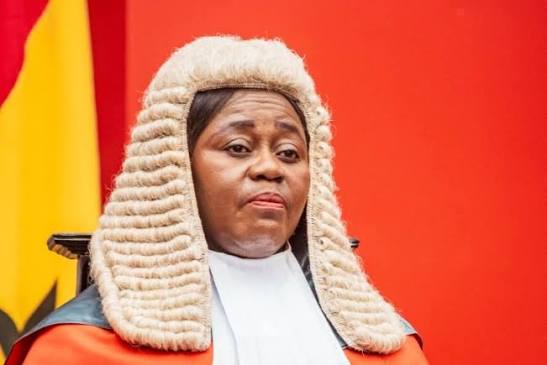
Former Chief Justice Gertrude Torkornoo has suffered another setback in her legal battle to overturn her removal from office, after the Supreme Court dismissed all four cases challenging the process that led to her exit.
The ruling, delivered earlier this morning, follows last week’s judgement from the ECOWAS Court, which also went against her. Dr Justice Srem-Sai, Deputy Attorney-General and Minister for Justice, confirmed the outcome and extended gratitude to the team of State Attorneys and staff who worked on the matter.
He noted that the Supreme Court’s decision came on the heels of the ECOWAS Court’s ruling, marking the second consecutive defeat for Torkornoo’s legal challenges within a matter of days.
At the heart of the ruling lies the Supreme Court’s determination that the suits filed against the removal process lacked merit
In dismissing the cases, the court effectively validated the constitutionality of the inquiry initiated by President John Mahama under Article 146 of the 1992 Constitution, the provision that governs the removal of a Chief Justice.
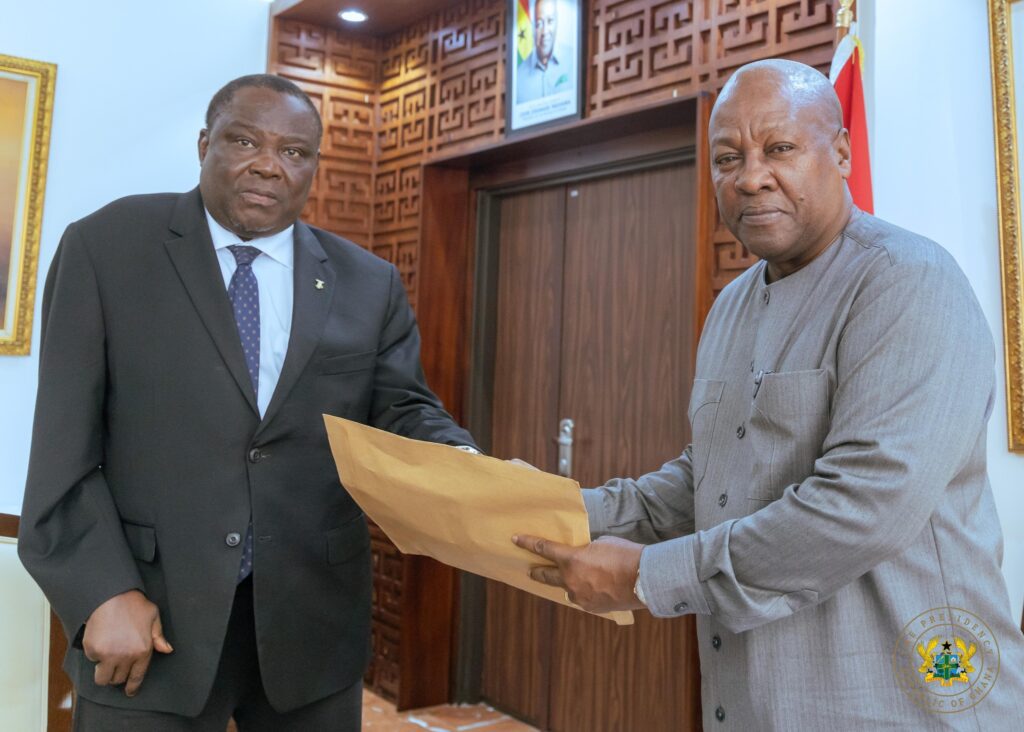
Article 146 sets out the procedure for investigating and removing a Chief Justice from office, including the establishment of a committee to examine allegations against the holder of the office. By dismissing the challenges, the court has affirmed that the process followed in Torkornoo’s case met constitutional requirements.
Four Cases Consolidated for Hearing
The Supreme Court consolidated four separate lawsuits that targeted different aspects of the suspension and impeachment proceedings against Torkornoo. Two of the suits challenged the suspension and the impeachment process directly.
Suit J1/22/2025, filed by Torkornoo herself, and Suit J1/20/2025, filed by CENCES, both contested the legitimacy of the process that led to her removal from the Chief Justice position.
The remaining two suits took aim at a different stage of the process. Suit J1/18/2025, filed by Vincent Ekow Assafuah, and Suit J1/21/2025, filed by Theodore Kofi Atta Quartey, questioned the legality of the referral process to the Council of State, the body responsible for advising the President on such matters under the constitutional framework.
By consolidating the four cases, the court addressed the full range of legal objections raised against the process in a single, comprehensive hearing rather than handling each challenge separately.
Read also:
- Mahama, Bio Deepen Regional Cooperation as Flood Crisis Dominates State Visit
- Colombia beat Ghana 1-0 to reach World Cup Round of 16
Panel Splits Over Injunction Requests
While the substantive cases were dismissed for lack of merit, the court also handled related requests for injunctions through a five member panel. The panel comprised Justices Paul Baffoe-Bonnie, who presided, along with Issifu Omoro Tanko Amadu, Yonny Kulendi, Henry Anthony Kwofie, and Yaw Asare Darko.

The injunction requests did not receive unanimous treatment. The panel ruled by a four to one split, indicating some division among the justices even as the broader outcome favoured dismissal of the challenges. The specific dissenting justice was not named in the ruling details provided.
Confidentiality Rules Enforced Against Torkornoo’s Affidavit
Beyond dismissing the substantive challenges, the court also addressed a procedural matter concerning confidentiality.
Judges struck out portions of Torkornoo’s affidavit after determining that revealing proceedings of the committee investigating her violated Article 146(8) of the Constitution, which governs secrecy requirements around such committee processes.
This aspect of the ruling underscores the court’s insistence on protecting the confidentiality of committee deliberations, even as the underlying dispute over Torkornoo’s removal played out in public view through multiple legal challenges.
With all four cases dismissed, the practical effect of the ruling is that the removal of Justice Torkornoo is upheld without further legal obstruction from these particular challenges.
The dismissal represents a significant legal affirmation for the Mahama administration’s handling of the matter, coming just days after the ECOWAS Court delivered its own judgement on related aspects of the case.
Together, the two rulings from separate judicial bodies have now aligned in rejecting the legal arguments advanced against the removal process.
Broader Implications for the Judiciary
The case has drawn significant attention given its implications for judicial independence and the constitutional mechanisms available for removing a sitting Chief Justice.
With both the ECOWAS Court and now Ghana’s own Supreme Court dismissing challenges to the process, the legal questions surrounding Torkornoo’s removal appear largely settled from a judicial standpoint, even as political and public debate over the matter may continue.
The consolidated dismissal also sets a precedent for how future Article 146 proceedings might be handled procedurally, particularly regarding the confidentiality of committee proceedings and the constitutional threshold required to sustain legal challenges against such an inquiry.