Els: MBN360 News
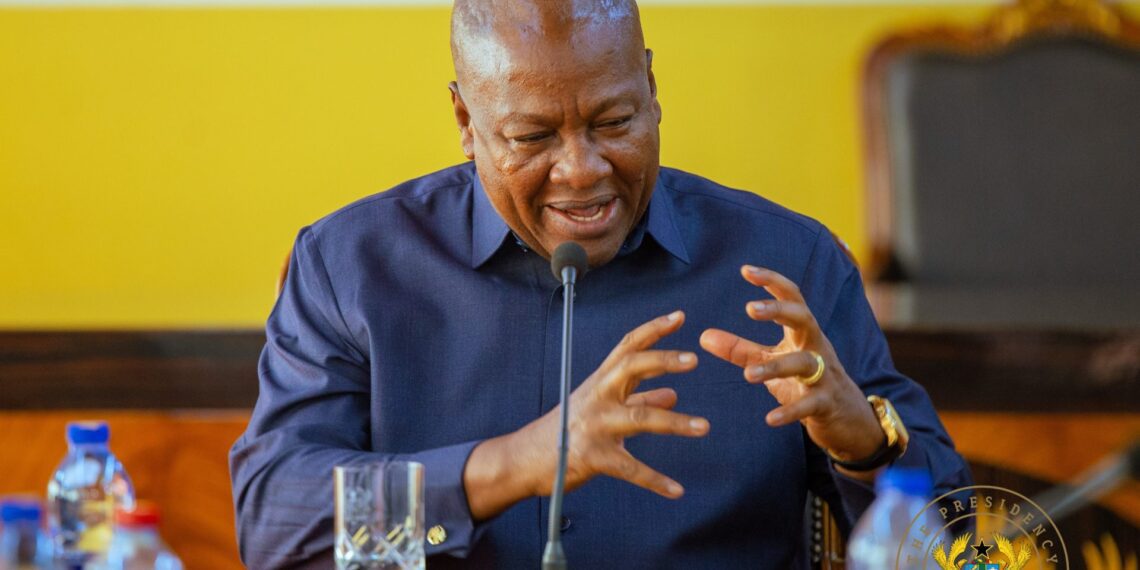
President John Dramani Mahama has announced that the recently passed Governance Advisory Council Act marks a major step in deepening accountability and improving governance standards across the country.
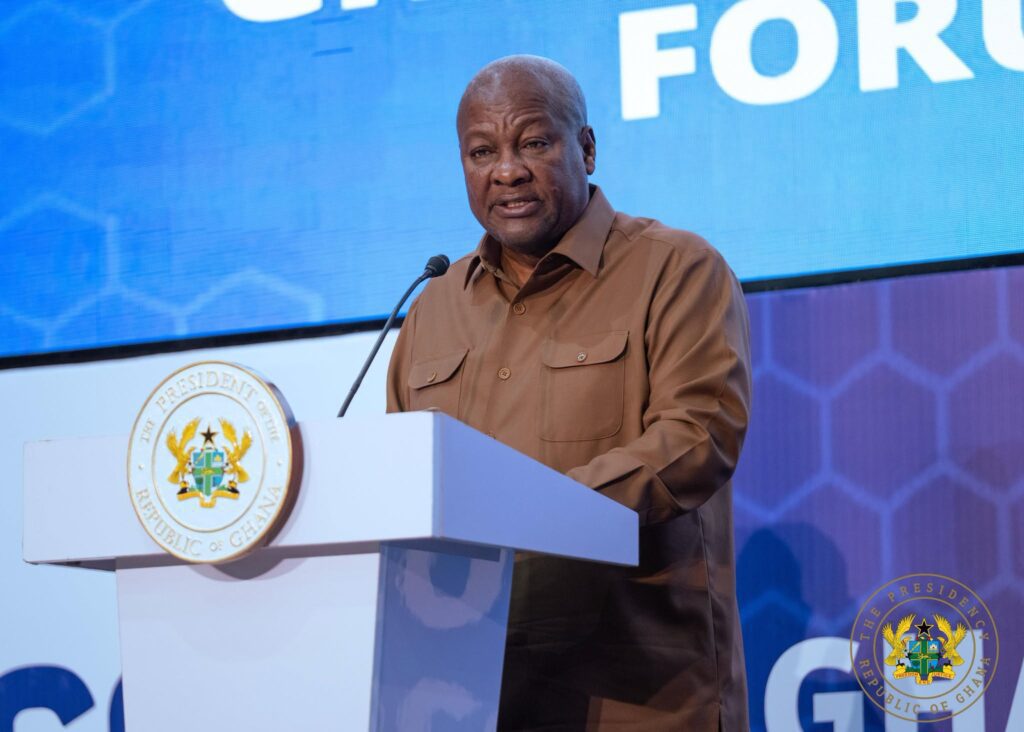
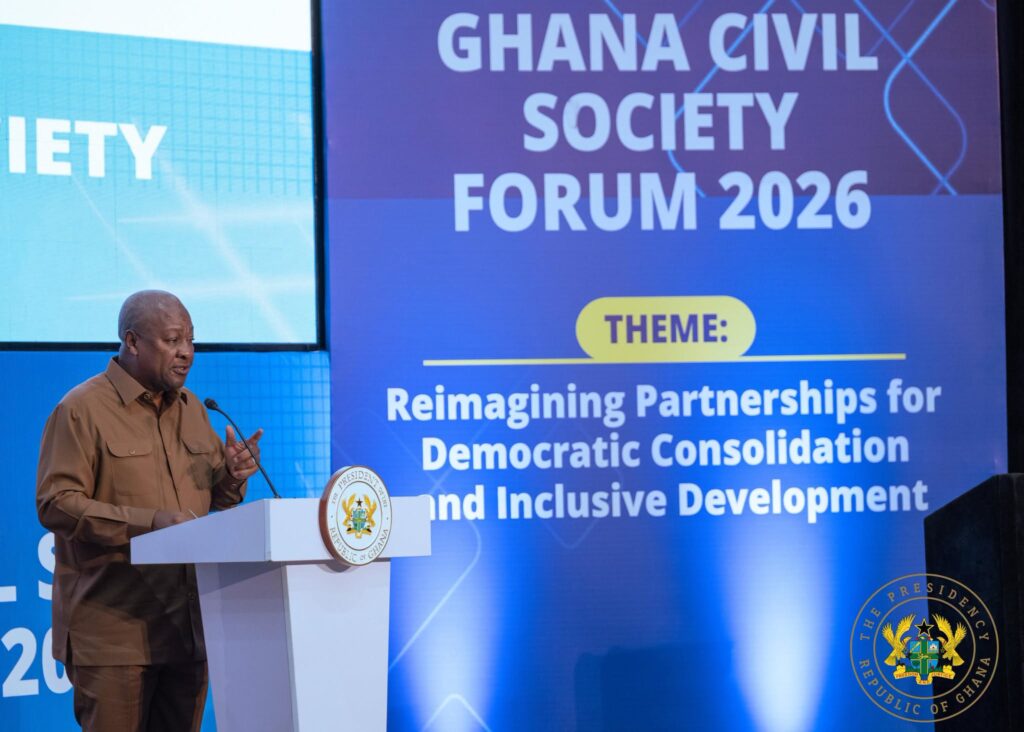
Speaking at the 4th Annual Convening of the Ghana Civil Society Forum 2026, the President described the legislation as a landmark reform born out of close collaboration between government and civil society.
President Mahama told participants that his government’s commitment to participatory governance extends well beyond consultation and has translated into concrete institutional reforms.
He pointed to the Governance Advisory Council Act as a clear example, calling it “a landmark piece of legislation establishing an independent multistakeholder body to provide strategic advice, monitor governance standards, promote integrity, transparency, and accountability across all public institutions.”
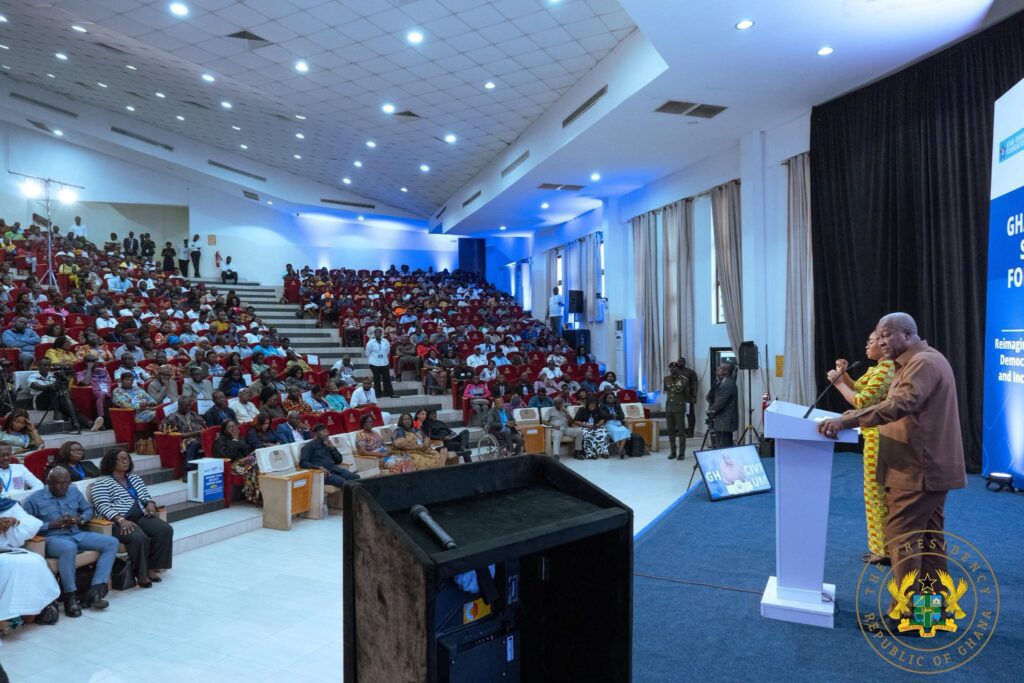
The President explained that the new body will also be responsible for publishing an annual report assessing the country’s governance performance, a document he said would guide government decision making going forward.
Civil Society’s Role in Shaping the Law
President Mahama credited civil society organizations with playing an essential role in the legislation’s development. He noted that these groups remained engaged throughout the process, from early policy discussions and stakeholder consultations to public advocacy, technical input, and parliamentary engagement.
According to the President, this sustained involvement helped shape both the content of the law and the national consensus required for its passage.
He extended formal appreciation to the organizations, professional associations and development partners whose persistence, he said, helped turn the reform into reality.
The Act itself reflects this collaborative spirit. President Mahama stressed that good governance cannot rest solely on the shoulders of the state, describing it instead as a shared national responsibility.
For that reason, he said, the Governance Advisory Council will include representation from civil society, ensuring that citizens have a direct voice in the council’s deliberations and in its broader work to promote ethical leadership and institutional accountability.
Read also:
- Children, elderly, PWDs to receive priority support in flood response – Gender Ministry
- Alajo flood tragedy: Three die from electrocution
- Analyst Predicts More Gains for Resurgent Cedi
- Accra at a Standstill: Floodwaters Expose a City In Crisis
- Ghana Alerts Travellers As South Africa Faces Heightened Protest Security Threats
Inclusive Governance as a Guiding Principle
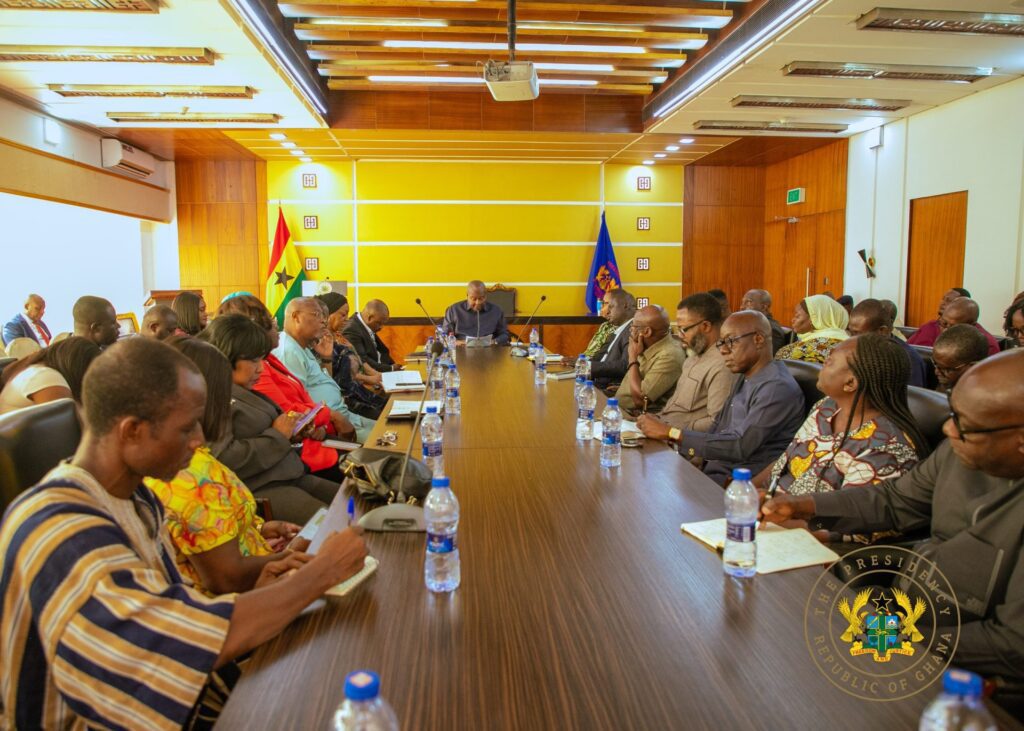
The President framed the reform as proof of his government’s belief that governance functions best when it includes citizens directly. He said public institutions benefit when independent perspectives and constructive engagement are built into their structures, rather than treated as optional input.
President Mahama said he looks forward to the council’s inauguration in the coming weeks, expressing hope that its work will strengthen the country’s democracy, restore public confidence, and entrench a lasting culture of accountability and integrity.
Turning to the broader fight against corruption, President Mahama said accountability remains central to democratic consolidation. He used the platform to restate his commitment to transparent governance, recalling that during his previous term in office, he launched the ten-year National Anti-Corruption Action Plan in 2015.
He told the gathering that the Cabinet had approved a successor plan just a day earlier. The new National Ethics and Anti-Corruption Action Plan, covering 2026 to 2030, has now been forwarded to Parliament for consideration.
Building on a Pattern of Reform
Taken together, the announcements outline a governance agenda that links new oversight institutions with renewed anti-corruption commitments and fresh legal safeguards for public property.
President Mahama positioned the Governance Advisory Council, the updated anti-corruption action plan, and the forthcoming State Assets Protection Bill as complementary pieces of a wider effort to strengthen institutional accountability.
He returned repeatedly to the theme of partnership, suggesting that none of these reforms would have advanced without sustained pressure and technical support from civil society groups, professional bodies and development partners.
That framing positioned civil society not merely as a stakeholder consulted after the fact, but as a co-author of the policy changes now taking shape.
As the Governance Advisory Council prepares for inauguration in the coming weeks, attention is likely to shift toward how its multistakeholder structure functions in practice and whether its annual governance reports translate into measurable improvements.
Similarly, the passage of the new anti-corruption action plan through Parliament and the drafting of the State Assets Protection Bill will offer early tests of how quickly these announced commitments move from policy intent to enforceable law.
President Mahama’s address signals a government keen to present accountability not as a slogan but as a set of institutional mechanisms with defined mandates, public reporting requirements, and civil society representation built into their design.