
Els: MBN360 Agribusiness
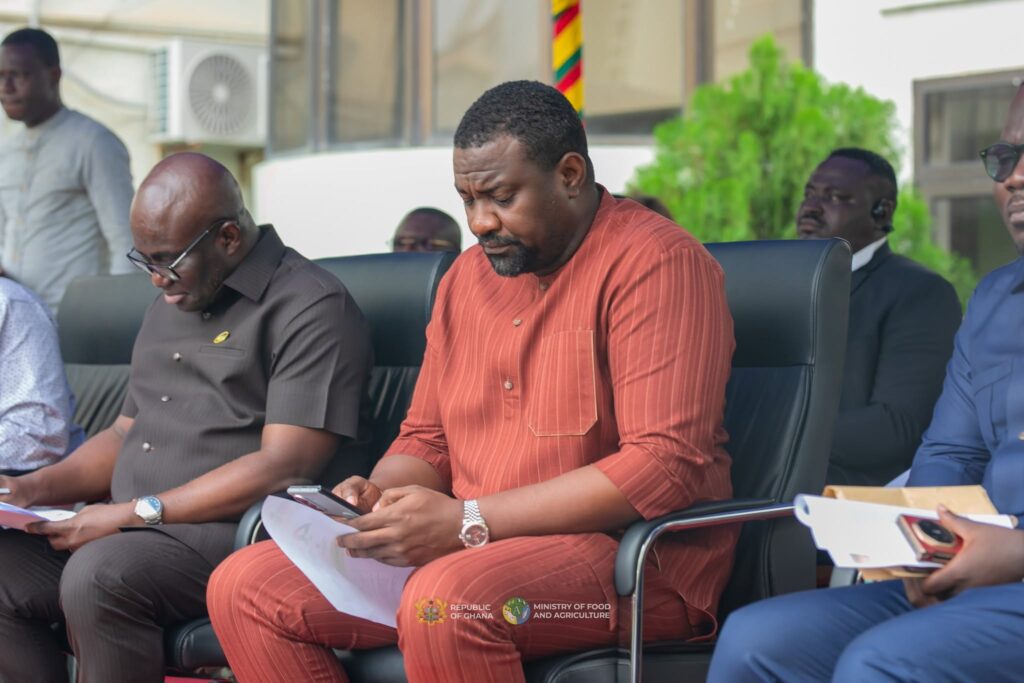
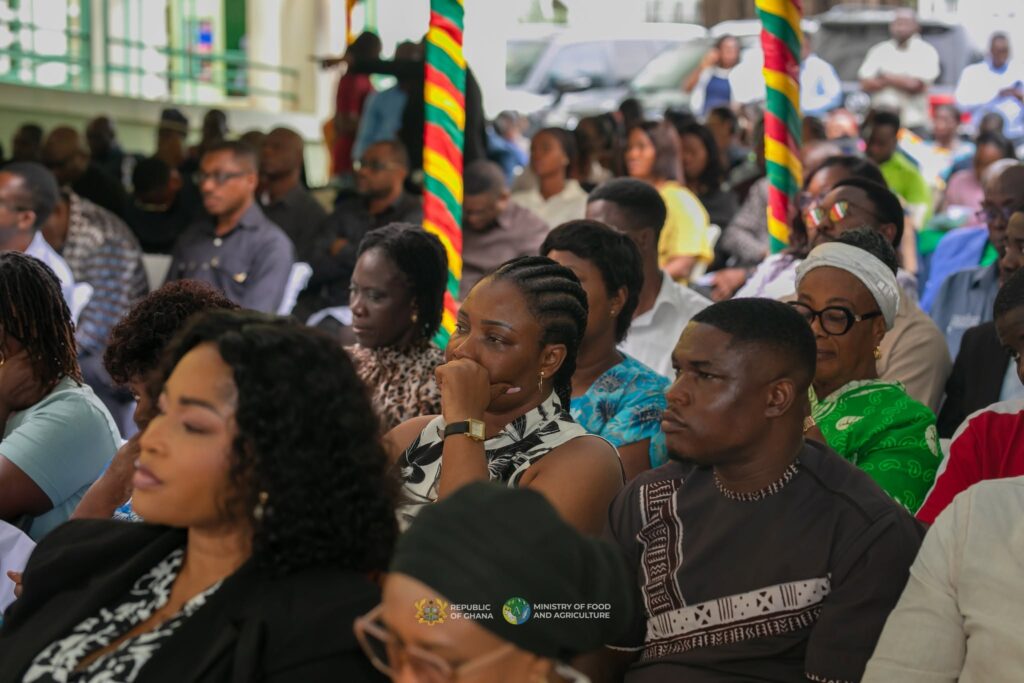
The Minister for Food and Agriculture, Hon. Eric Opoku, has, in an address delivered before agricultural policy makers, institutional stakeholders, development partners, and localized farming cooperatives, officially inaugurated the media launch and administrative mobilization for the upcoming 42nd edition of the National Farmer’s Day celebration.
Detailing the government’s long-term strategic vision for reshaping the domestic agrarian economy, Hon. Opoku’s announcement established a comprehensive framework for elevating the visibility of rural and urban primary producers while aligning localized food production systems with macro-level sovereign development goals.
“Earlier this morning, l officially launched the 42nd National Farmer’s Day celebration under the theme, ‘Our Farmers, Our Food, Our Future,’ powerfully encapsulating the interconnectedness of agricultural producers, food security, and national prosperity.
“This theme signifies that, the future of Ghana is inextricably linked to the strength and support of its farmers, emphasizing that investing in agriculture today secures the nation’s food and people for tomorrow”Hon. Eric Opoku, Minister for Food and Agriculture
The Ministry of Food and Agriculture’s (MoFA) early organizational rollout underscores a deliberate effort to anchor national priority interventions firmly around the productive capacities of the country’s agricultural workforce. The formal inauguration is to prepare regional directorates, industrial exhibitors, and financial underwriters for a coordinated national showcase.
Stakeholders have pointed to the upcoming cycle of festivities as an essential platform to review ongoing agronomic inputs, evaluate localized market supply chains, and reinforce public-private partnerships aimed at scaling up domestic crop yields and value-added processing.
At the core of the 42nd national milestone is a framework that seeks to redefine the relationship between primary commodity cultivation and sovereign national wealth. Launching the celebration under its highly targeted policy theme, Hon. Opoku emphasized that Ghana’s structural stability can no longer be viewed independently of the physical well-being and economic viability of its rural smallholders.
He argued that the current global landscape requires an aggressive, unyielding institutional focus on resource allocation toward frontline producers to guarantee long-term industrial insulation. According to the Minister, food systems function as the literal foundation for all other forms of national industrialization and human capital optimization.
When the state systematically invests in the security and modernization of its farmers, it is directly underwriting the operational stability of urban labor markets, reducing reliance on costly imported substitutes, and preserving scarce foreign exchange reserves.
Read also:
- Harry Kane breaks Pelé World Cup goals total
- Three die in Mexico City World Cup celebrations
- Minerals Commission Deputy CEO Backs Local Mineral Value Retention Frameworks
- Tackle Galamsey, Weija MP Calls Out The Government
- Parliament ratifies air services agreements with six countries
The sector minister insisted that the underlying message of this policy cycle must penetrate all levels of corporate governance, moving financial institutions and corporate investors to see primary agriculture not merely as a high-risk development sector, but as an indispensable pillar of nationwide capital preservation.
Outline of Festivities
As a result of this, the blueprint for the 42nd edition of the National Farmer’s Day celebration shifts away from a single-day localized gathering to an expansive, week-long commercial and technical convention designed to stimulate multi-sectoral trade engagements.

According to the timelines released by MoFA, the national event will officially culminate on Friday, December 4, 2026. This grand finale will be preceded by an intensive, multi-tiered public display of industrial and technological advancements within the sector, providing an immersive platform for knowledge exchange and business-to-business networking among regional market actors.
The heart of the week-long program is the National Agricultural Fair, which is scheduled to run continuously from Monday, November 30th through the afternoon of Friday, December 4th, 2026.
This extended exhibition window will allow regional directorates, agricultural engineering firms, fertilizer manufacturers, and processing cooperatives to showcase their latest output-enhancing innovations directly to primary producers.
Through this open-access market space, the Ministry aims to accelerate the adoption of high-yield farming practices, automated processing machinery, and climate-smart irrigation technologies, culminating in the Grand Durbar and National Awards Ceremony where the country’s most outstanding agricultural operators will receive formal state honors for their contributions to economic resilience.
Concluding his address, Hon. Opoku focused on the long-term developmental hazards associated with a passive or under-funded agricultural policy framework, issuing a candid warning to state planners, financial executives, and civil society leaders.
The Minister noted that nations which fail to prioritize the modernization of their internal food systems inevitably compromise their sovereign decision-making power, exposing their populations to external supply shock vulnerabilities and unsustainable trade deficits. He ended the launch by issuing a binding call for a collective national focus on agricultural self-sufficiency.
“This celebration serves as a crucial reminder that neglecting agriculture hinders national development and that a self-sufficient future is built upon the foundation of its own agricultural strength”Hon. Eric Opoku, Minister for Food and Agriculture