Els: MBN360 News
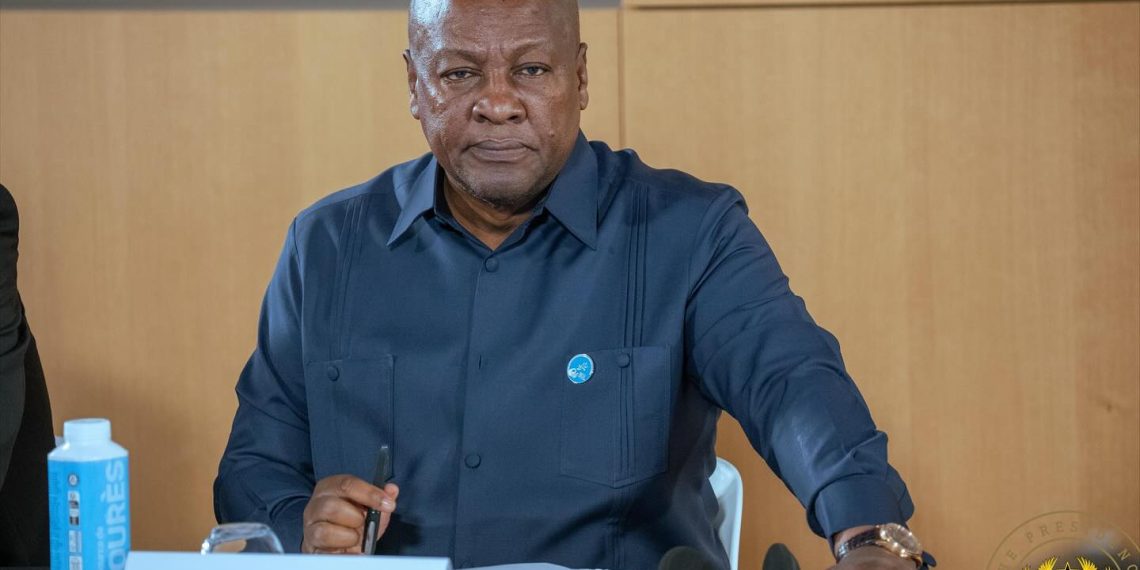
President John Dramani Mahama has announced the creation of three global panels to drive the next phase of reparatory justice efforts, saying the initiatives are designed to translate international recognition of slavery’s legacy into concrete action.
Speaking at the opening of the Next Steps Conference on Reparatory Justice in Accra on Thursday, June 18, 2026, President Mahama said the panels will provide strategic, technical, and legal support to strengthen global cooperation on reparations.
“I am pleased to announce the establishment of three global panels which will serve as the pillars of the next phase of this international effort,” he said.
“The first is a global advisory panel on reparatory justice comprising heads of state and government, eminent leaders and public figures, who will provide strategic guidance to advance international dialogue and cooperation,” he said.
The second panel will focus on the restitution of cultural artefacts, archives, and sacred objects taken during the colonial and slavery eras, supporting efforts to return them to their communities of origin.
Read also:
- Police investigates shooting incident involving Adwoa Safo
- US-Iran talks to begin in Switzerland as Tehran says it closed Strait of Hormuz
- Police investigate death of unidentified man at Tema Metropolitan Assembly forecourt
- England players to make own call on Partey handshake ahead of Ghana showdown
- OPEC Sticks to Robust Oil Demand Outlook, Sees No Peak Ahead
“The second is an expert panel on the restitution of cultural artefacts, which will support efforts to facilitate the return of all cultural properties, archives, sacred objects and historical treasures to their rightful communities and countries of origin,” he said.
“The third is a global legal panel on reparatory justice, which will bring together distinguished jurists and legal scholars,” he said, adding that it would help develop approaches grounded in “international law, human dignity and justice.”
He stressed that the panels are not intended to replace existing institutions, but to complement and strengthen their work as the global community moves from recognition of historical injustice toward implementation of reparatory measures.
“These panels are not intended to replace the work of governments, regional organizations or international institutions,” he said. “Rather, they are intended to strengthen that work by providing intellectual, technical and policy support.”
The announcement comes as Ghana hosts the Next Steps Conference on Reparatory Justice, bringing together world leaders, policymakers, legal experts and diaspora representatives to chart pathways for addressing the enduring legacy of the transatlantic slave trade.