ELS: MBN360 EDUCATION
Following public concerns and questions from parents and educators, the Ministry of Education has swiftly moved to clarify concerns surrounding its new language policy.
The ministry, in a press statement, clarified that foreign languages, specifically Chinese, Arabic, and French, will not be made mandatory or used as the medium of instruction for young learners.
In an official statement signed by the ministry’s Press Secretary to the minister, Hashmin Mohammed, the government dismissed claims that the upcoming basic school curriculum overhaul would force early-grade pupils to study in these foreign tongues.
According to the Ministry of Education, the revised curriculum focuses heavily on local roots rather than foreign language instruction.
The framework establishes a clear layout for early childhood development: Kindergarten to Primary 3: Ghanaian languages will serve as the exclusive, compulsory medium of instruction.
This policy, according to the education ministry, aims to build foundational literacy, numeracy, and cognitive skills in the languages children understand best.
Read also:
- Eco-Conscious Coordinator Calls for Stronger Oversight of Mining Activities
- 9,000 Miners Registered for Responsible Mining Scheme, Ministry’s Spokesperson Discloses
- Ghana’s Inflation Fight Scores Major Victory As July Inflation Drops to 4.6%
- Inusah Fuseini opposes proposal to extend presidential term.
- Haruna Iddrisu critiques Parliament’s approach to oversight role
The statement added that Primary 4 to Primary 6: Schools will adopt a transitional, bilingual framework combining Ghanaian languages with English to prepare students for higher levels of education.
It stated emphatically that French, Arabic, and Chinese will exist purely as optional subjects. They will only be offered from later stages onward, strictly based on the availability of qualified instructors and resources within individual schools.
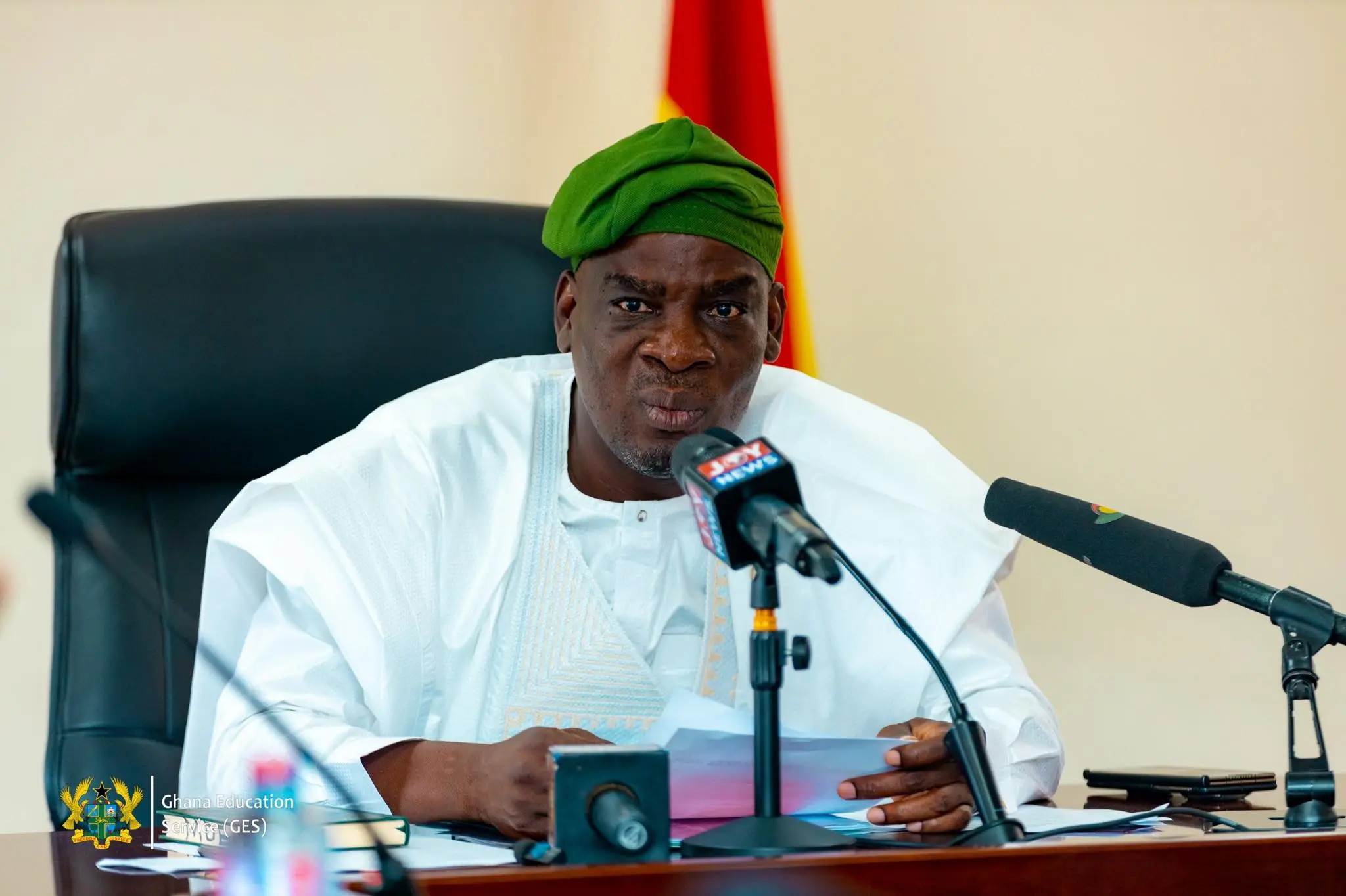
Addressing the public concern, Education Minister Haruna Iddrisu emphasized that the real transformation in the revised framework is the strict prioritization of local languages at the foundational level, reducing early reliance on English.
The Minister stated that global educational research strongly confirms that children exhibit far better learning outcomes, analytical reasoning, and retention when taught in their mother tongue during their formative years.
The Ministry’s emphasis on making Ghanaian local languages compulsory at the foundational level led to public confusion over references to foreign languages in the curriculum documents, with some stakeholders mistakenly believing that Chinese, Arabic and French would become mandatory subjects for early-grade learners.
By setting the record straight, the Ministry of Education hopes to calm the nerves of stakeholders and refocus national attention on building early literacy through local languages.