
Els: MBN360 Health
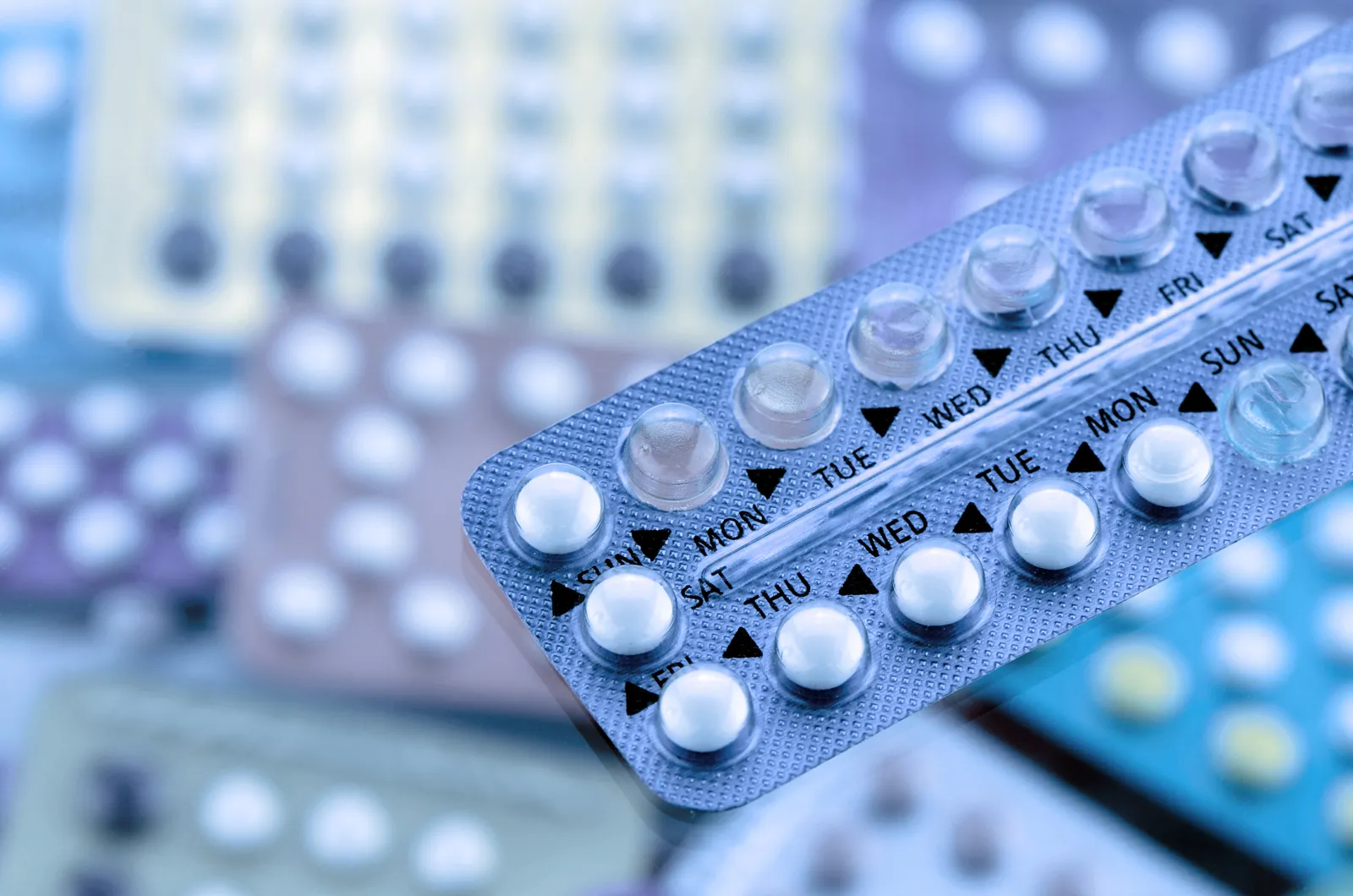
A School and Adolescent Health Coordinator for the Tema West Municipal Health Directorate, Grace Otoo has warned against taking emergency contraceptives, in a bid to get rid of a pregnancy. According to Grace Otoo, emergency contraceptive pills will not end a pregnancy if fertilization has already taken place. The health expert said, the clarification is necessary to correct widespread misconceptions about how emergency contraception works and when it is effective.
Speaking on the subject during an interview on the GTV Breakfast show today, Miss Otoo explained the biological window within which emergency contraception is designed to be used appropriately and effectively. Miss Otoo stressed that, emergency contraception should be used for emergencies, not as a routine method of birth control and that, the pill is a hormonal medication designed to prevent pregnancy, not to terminate one.
Read also:
- Mahama, Bio Deepen Regional Cooperation as Flood Crisis Dominates State Visit
- Colombia beat Ghana 1-0 to reach World Cup Round of 16
“If ovulation has already occurred and fertilization has taken place, emergency contraception will not stop the pregnancy,” she stated.
Emergency contraceptive pills, commonly known as ECPs or “morning-after pills,” primarily work by preventing sperm from fertilizing an egg, or interfering with fertilization or delaying or inhibiting ovulation. They do not disrupt an established pregnancy or cause abortion. Once a fertilized egg has implanted in the uterus pregnancy has started, and may not be disrupted by emergency contraception. Emergency contraceptive pills are not guaranteed to be effective, once 72 hours lapses after intercourse, before the pill is taken.

According to her, considering a long-term contraceptive method instead of relying on emergency pills, is a more reliable protection against getting pregnant, once a woman is sexually active.