Els: MBN360 Extractives/Energy
For years, Africa’s energy debate has often been framed as a contest between fossil fuels and renewable energy. Increasingly, however, governments are moving away from that binary discussion. The emerging priority is how different energy sources can work together to deliver reliable electricity, strengthen energy security and support industrialisation across a continent where more than 600 million people still lack access to power.
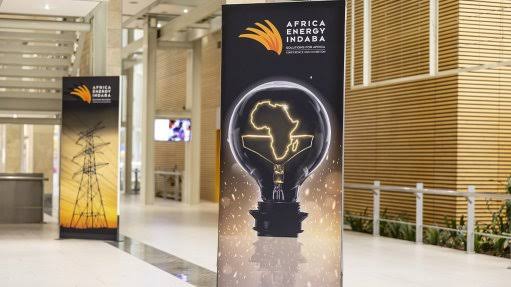
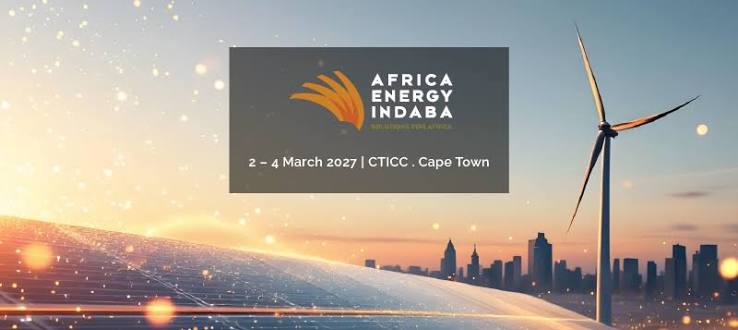
That shift is expected to take centre stage at the 2027 Africa Energy Indaba, scheduled for 2–4 March at the Cape Town International Convention Centre, where policymakers, utilities, financiers and industry leaders will examine how integrated electricity systems can help Africa meet its development goals while advancing the energy transition.
A changing conversation across Africa
Rather than debating whether countries should invest in natural gas, hydropower, solar, wind or battery storage, the discussion is increasingly focusing on how these technologies can complement one another.
Organisers of the Africa Energy Indaba say the conference will explore how diversified energy systems, supported by stronger transmission infrastructure, regional power trading and modern electricity networks, can improve reliability while attracting long-term investment.
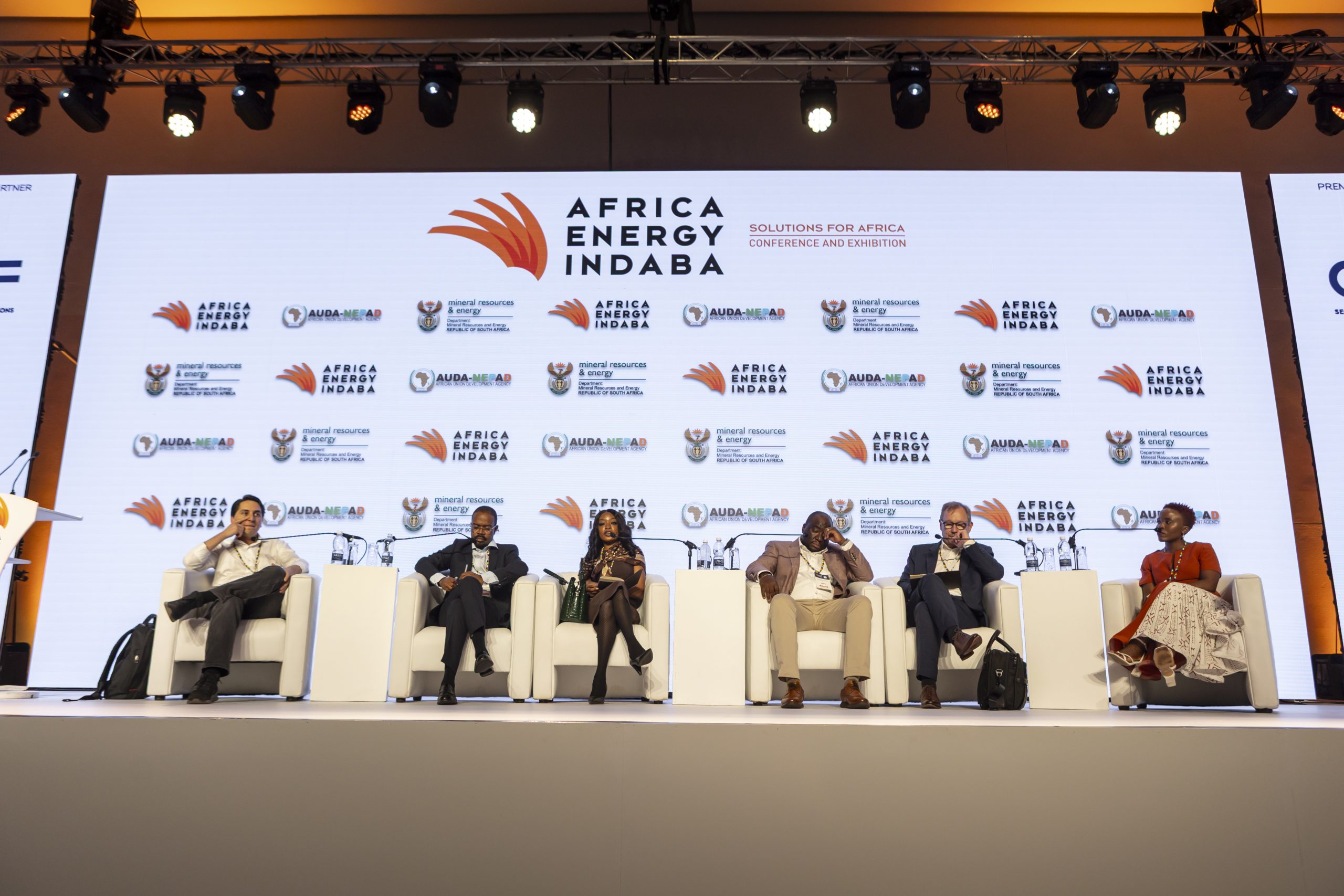
Africa’s energy transition will not mirror that of Europe or North America. Our continent requires pragmatic, investment-driven solutions that balance affordability, reliability and sustainability. Multi-resource energy systems recognise that different technologies each have a role to play in achieving universal energy access while supporting industrialisation and economic development.Liz Hart, Managing Director of the Africa Energy Indaba
The approach reflects a broader policy shift taking shape across many African economies, where governments are increasingly designing energy strategies around national development needs rather than individual technologies.
Ghana’s policy increasingly reflects the same direction
For Ghana, the debate is far from theoretical.
Over recent months, government officials have consistently argued that the country’s energy transition must protect energy security while supporting economic growth and expanding electricity access.
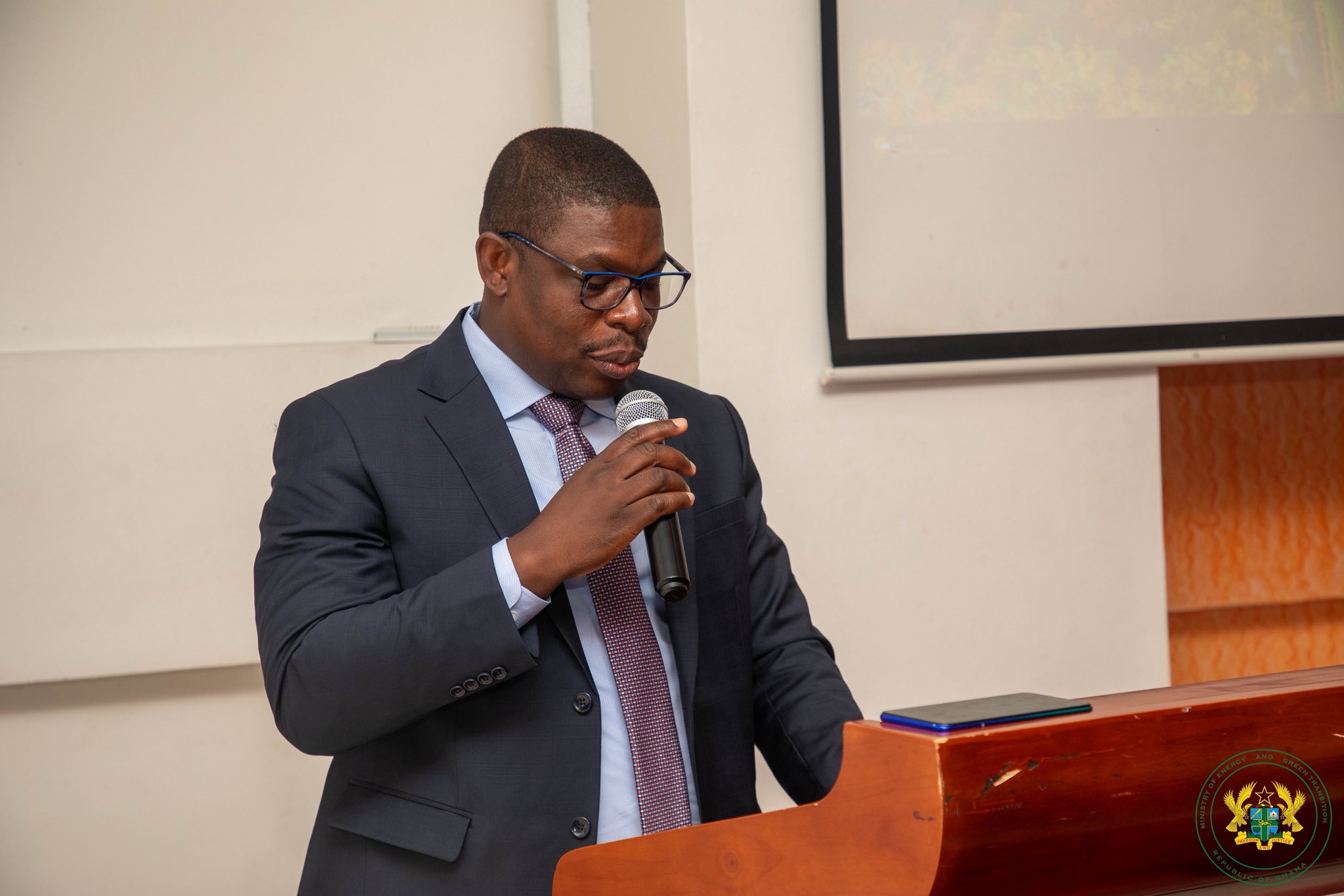
Speaking earlier this year at the Africa Energy Forum, Minister for Energy and Green Transition Dr. John Abdulai Jinapor said Ghana would pursue its energy transition on its own terms, stressing that the country would continue balancing sustainability with economic development and energy security rather than adopting a one-size-fits-all approach.
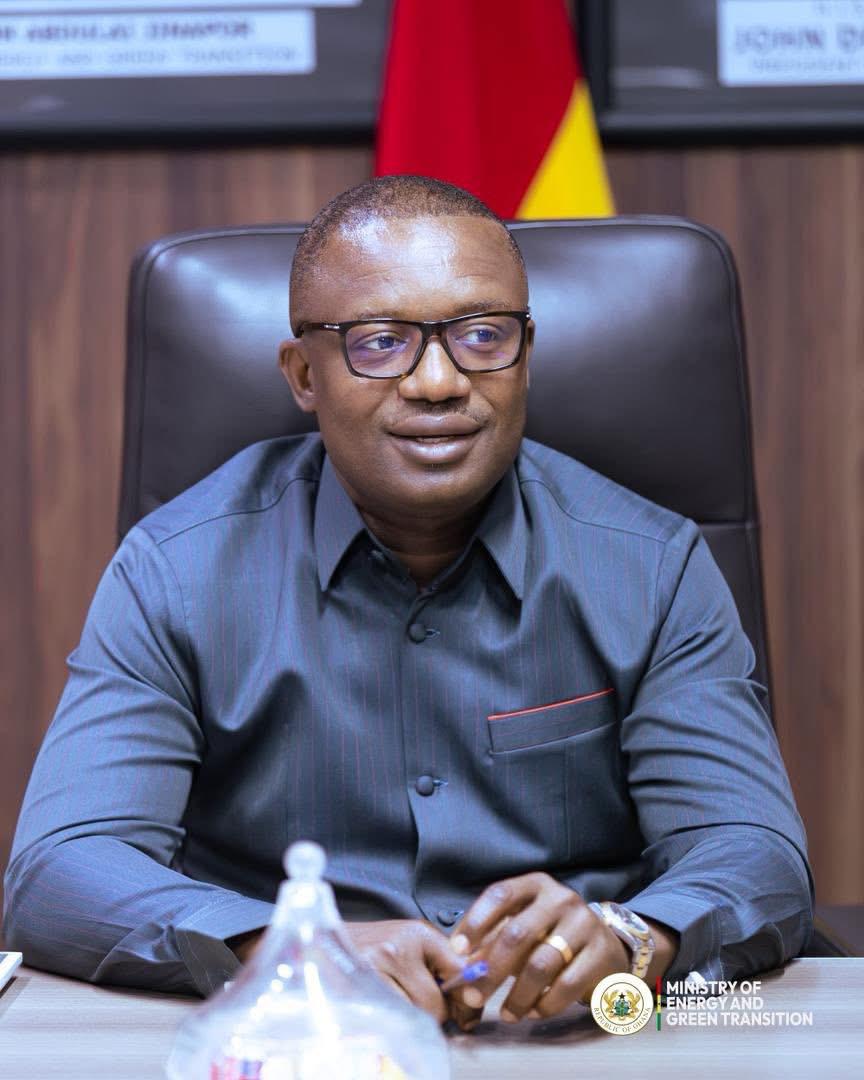
That message has been reinforced through several policy initiatives, including efforts to strengthen domestic refining capacity, improve electricity transmission, expand renewable energy, improve energy efficiency and support natural gas development as a transition fuel.
More recently, speaking at the 11th International Energy Agency Annual Global Conference on Energy Efficiency in Montreal, Deputy Minister for Energy and Green Transition Richard Gyan-Mensah reiterated that Ghana’s transition strategy extends beyond reducing emissions.
He said government is pursuing a combination of measures, including expanding natural gas, investing in renewable energy, reducing electricity network losses, improving power generation and promoting energy-efficient technologies to make electricity more affordable and reliable for households and businesses.
Taken together, those positions increasingly mirror the broader continental conversation now emerging ahead of the Africa Energy Indaba.
The challenge is no longer generation alone
One of the strongest themes emerging across Africa’s energy sector is that expanding electricity generation alone will not solve the continent’s energy deficit.
Many countries already possess abundant natural resources, whether gas, hydropower, solar or wind. The greater challenge lies in integrating those resources into electricity systems capable of delivering dependable power throughout the day.
That requires investment not only in generation but also in transmission infrastructure, substations, battery storage, digital grid management and regional electricity interconnections.
Read also:
- Auditor-General uncovers GH¢5.26bn in financial irregularities across MDAs in 2025
- Belgium ends US World Cup dream with 4-1 win in Round of 16
- Will Smith and Jada Pinkett reportedly reunite after years of separation
- Stephen Appiah set to light up 5th Edition of All Star Festival at Legon
- Every Player Knows What’s at Stake, Says Black Maidens’ Coach Ahead Senegal Clash
For countries seeking to industrialise, reliable electricity has become just as important as increasing installed generation capacity.
Manufacturing, mining, agribusiness and digital industries all depend on power systems capable of supplying electricity consistently rather than intermittently.
Regional power markets are becoming more important
The conference is also expected to highlight the growing importance of regional electricity cooperation.
Power pools allow neighbouring countries to exchange electricity, utilise surplus generation more efficiently and improve overall system resilience.
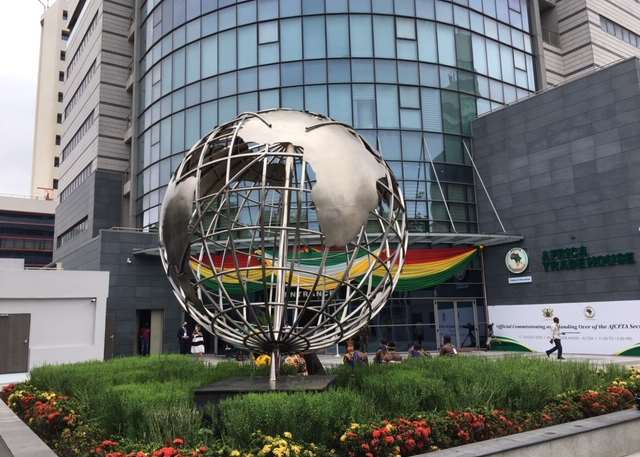
For West Africa, stronger regional integration could reduce supply risks, improve efficiency and support broader economic objectives under the African Continental Free Trade Area (AfCFTA).
Greater interconnection also makes it easier to accommodate renewable energy by balancing supply across wider geographic areas while allowing conventional generation to provide backup when required.
Investment will determine whether plans become reality
Integrated electricity systems also require significant financing.
Beyond constructing new power plants, countries must mobilise investment for grid expansion, energy storage, gas infrastructure, smart transmission systems and cross-border interconnections.
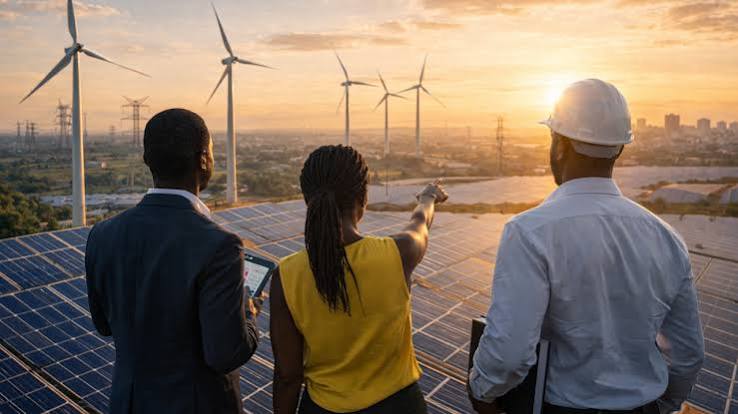
Development finance institutions, commercial lenders and private investors are therefore expected to play a central role in discussions during the Africa Energy Indaba as governments seek to transform national energy plans into bankable infrastructure projects.
For investors, integrated energy planning also provides greater confidence that individual projects will operate within stronger, more resilient electricity systems.
Africa’s transition is becoming increasingly pragmatic
Perhaps the most important development is that Africa’s energy conversation is becoming less ideological and more practical.
Instead of asking whether natural gas should replace renewables, or vice versa, governments are increasingly examining how different technologies can work together to deliver affordable electricity, strengthen energy security and support long-term economic transformation.
For Ghana, that philosophy is becoming increasingly visible in policy.
Government’s continued support for domestic refining, upstream oil and gas investment, renewable energy expansion, waste-to-energy initiatives, energy efficiency measures and electricity infrastructure improvements points towards a strategy built on diversification rather than dependence on any single energy source.
As ministers, investors and industry leaders prepare to meet in Cape Town next year, the central question is no longer which technology Africa should choose.
It is how African countries can build electricity systems that combine their available resources in ways that expand access, support industrial growth and strengthen economic resilience.
If recent policy signals from Ghana and discussions across the continent are any indication, Africa’s energy future is likely to be defined less by competing technologies than by how effectively they are integrated into a single, reliable and sustainable power system.