Els: MBN360 Arts & Lifestyle
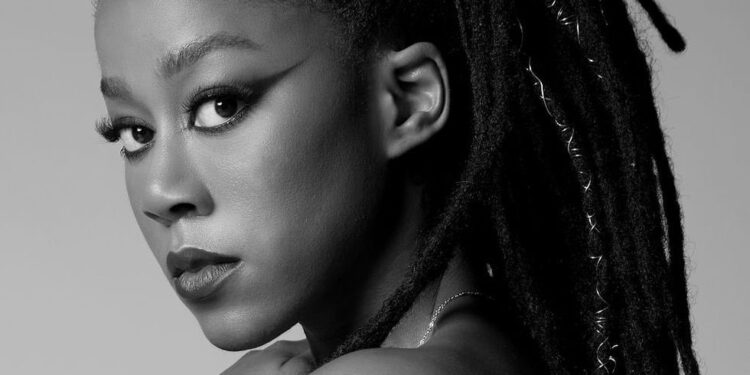
In a surprising development that has sent ripples through the literary and film communities, bestselling author Tomi Adeyemi has publicly distanced herself from the long-awaited cinematic adaptation of her debut novel Children of Blood and Bone.
The announcement, shared via social media on July 4, 2026, marks a dramatic turn for a project once heralded as a landmark representation of African-inspired fantasy on the big screen.
Adeyemi, whose Legacy of Orïsha trilogy has captivated millions of readers worldwide with its rich blend of Yoruba mythology, coming-of-age adventure, and powerful themes of resistance and identity, took to TikTok and Instagram to address fans directly. In a candid message, she wrote: “There is a reason I will not post anything about the adaptation of my work. That’s all.” She further clarified, “I have not seen the film, and I will not watch it. It’s been painful holding this back from you all.”
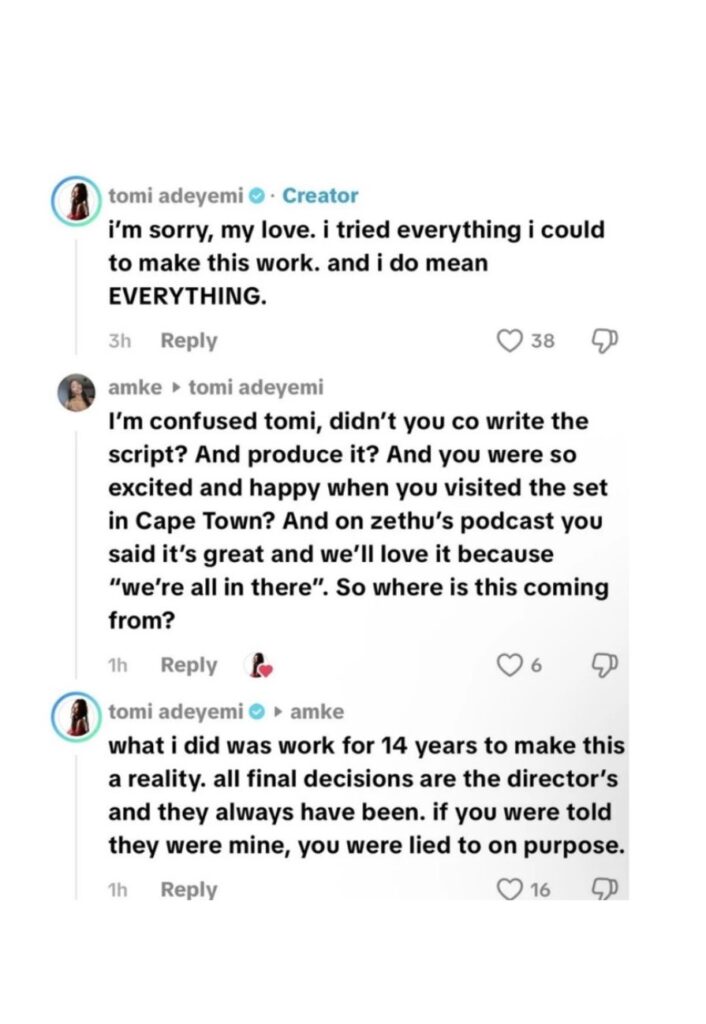
The author, who co-wrote the screenplay with director Gina Prince-Bythewood and served as an executive producer, emphasized her deep investment in the project while announcing her withdrawal. “I wrote this for us. I fought for us. I’m just laying down my sword and officially separating my name,” she stated, adding an apology to fans who might have interpreted her silence as indifference: “I will always care about US more than any glitter.”
This development comes amid longstanding debates surrounding the film’s casting. The novel centers on dark-skinned characters from the fictional West African-inspired land of Orïsha, where magic-wielding maji face oppression. Casting choices, including Amandla Stenberg (who is lighter-skinned) as Zélie, sparked online discussions about colorism and representation early in production.
Reports indicate Adeyemi has blocked Stenberg on social media, and she reportedly sent a message requesting that her name not be used in connection with certain promotions.
Children of Blood and Bone, first published in 2018, became an instant New York Times bestseller and a cultural phenomenon. The story follows Zélie, a young divîner, as she embarks on a quest to restore magic to her people in the face of tyranny.
Its success led to rapid Hollywood interest. Initially developed at Fox 2000, the project faced multiple setbacks, including a transfer to Lucasfilm after Disney’s acquisition and eventual turnaround before landing at Paramount Pictures. Prince-Bythewood, acclaimed for The Woman King and The Old Guard, signed on to direct in 2023.
The star-studded cast includes Thuso Mbedu, Damson Idris, Viola Davis, Idris Elba, Regina King, Cynthia Erivo, Chiwetel Ejiofor, and others. After reported reshoots earlier in 2026, the film is still scheduled for a high-profile IMAX release on January 15, 2027.
Paramount has not issued a detailed response to Adeyemi’s statements as of this writing, though the studio continues to promote the project as a major fantasy event.
Public Reactions
Industry observers note that author distancing from adaptations is not unprecedented examples include Stephen King’s initial skepticism toward certain films or other high-profile cases where creative differences emerged but Adeyemi’s public stance is particularly striking given her hands-on involvement as co-writer and producer.
Her comments suggest significant behind-the-scenes tensions, though she has stopped short of detailing specific grievances beyond the emotional toll.
Read also:
- Auditor-General uncovers GH¢5.26bn in financial irregularities across MDAs in 2025
- Belgium ends US World Cup dream with 4-1 win in Round of 16
- Will Smith and Jada Pinkett reportedly reunite after years of separation
- Stephen Appiah set to light up 5th Edition of All Star Festival at Legon
- Every Player Knows What’s at Stake, Says Black Maidens’ Coach Ahead Senegal Clash
Fans have reacted with a mix of disappointment, support for the author, and curiosity about the film’s quality. Many expressed heartbreak over the apparent rift, with some questioning how production decisions may have diverged from the source material’s vision of authentic representation.
Others remain optimistic, arguing that the movie could still succeed on its own merits as a visual spectacle directed by a visionary filmmaker like Prince-Bythewood.
Adeyemi’s move highlights broader challenges in book-to-film transitions, especially for stories deeply rooted in cultural specificity. Hollywood’s history with adaptations often involves compromises for commercial appeal, budget constraints, and audience demographics.
In the case of Children of Blood and Bone, the project’s journey through multiple studios and creative iterations likely amplified these pressures.
For Adeyemi, the trilogy’s conclusion with Children of Virtue and Vengeance (2019) and her focus on new projects, including the upcoming novel The Siren, suggest she is prioritizing her literary voice and personal well-being.
Her fans, known as a passionate community, have rallied around her emphasis on “us” the readers and the diaspora community the books celebrate.
As the January 2027 release date approaches, the film’s box office prospects may now face added scrutiny. Positive word-of-mouth could still drive success, particularly with its ensemble cast and Prince-Bythewood’s proven ability to deliver epic action with emotional depth.
However, the absence of the author’s endorsement removes a key promotional pillar that many adaptations rely upon.
This situation underscores the complex power dynamics between authors, studios, and audiences in modern entertainment. Adeyemi’s decision to “lay down her sword” after years of advocacy for the project reflects both exhaustion and principle.
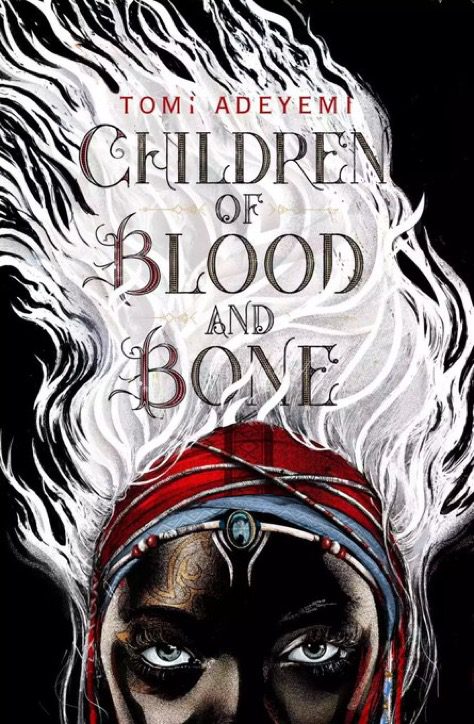
While the film marches forward without her public support, her original work continues to inspire a new generation of readers and storytellers.
In the end, Children of Blood and Bone’s legacy as a groundbreaking novel remains secure.
For now, fans are left reflecting on Adeyemi’s poignant reminder: sometimes the fight for authentic storytelling extends beyond the page and into the very process of bringing stories to life.