Els: MBN360 News
His Excellency John Dramani Mahama has declared that the global pursuit of reparatory justice now stands at a decisive turning point following Ghana’s successful push for international recognition of the Transatlantic Slave Trade as a crime against humanity. His Excellency stated that the adoption of the United Nations resolution represents a major breakthrough in the long struggle for historical justice.
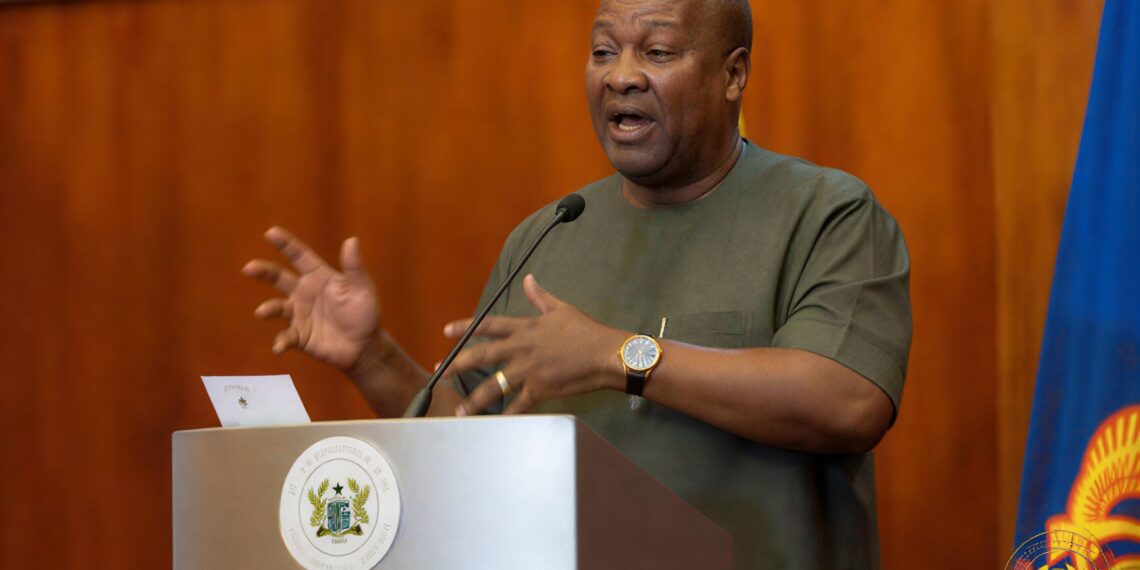
Addressing participants at the High Level Consultative Conference on Reparatory Justice, President Mahama recalled Ghana’s decision in 2025 to table a resolution before the United Nations General Assembly. He noted that the proposal initially carried uncertainty despite its moral significance and global urgency.
“At that time, it was a bold proposition. It was ambitious, necessary, but uncertain in its outcome. It was rooted in our conviction that humanity must confront this history with greater honesty and clarity, not merely because of what happened centuries ago, but because of the enduring consequences that continue to shape societies and communities across the world even today.”His Excellency John Dramani Mahama
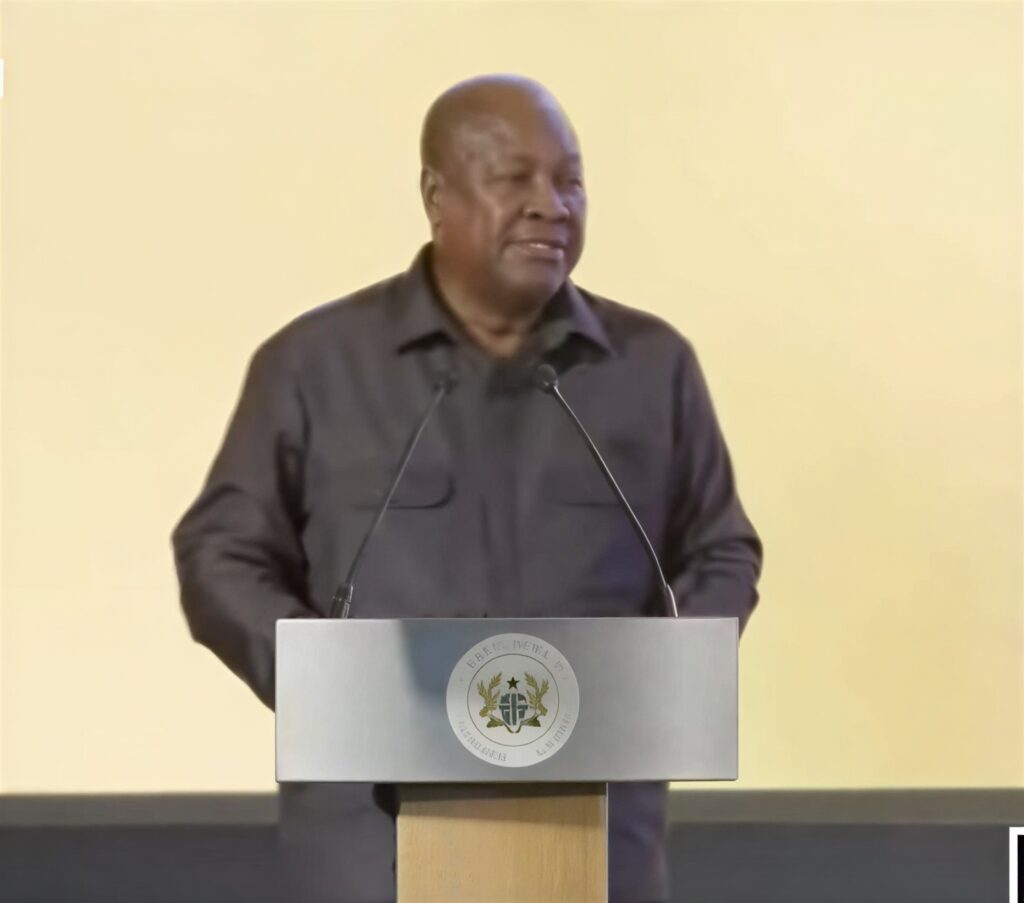
His Excellency highlighted that six months after Ghana introduced the proposal, the international community delivered overwhelming support. He noted that on March 25, 2026, 123 member states voted in favour of Resolution A/RES/80/250.
The President described the vote as a “defining moment in global acknowledgment of the brutality and legacy of racialised chattel slavery.” He added that the resolution has opened a new chapter in international discourse on justice and accountability.
Moreover, President Mahama expressed gratitude to member states, scholars, faith leaders, activists and civil society groups whose sustained advocacy contributed to the resolution’s adoption. He stated that their collective effort created conditions for a deeper and more constructive global conversation.
His Excellency stressed that Ghana’s advocacy extends beyond diplomacy and rests on historical responsibility. He explained that the country’s painful connection to slavery imposes a moral duty to champion justice and healing.
“For Ghana, this effort stands as a moral obligation rooted in our history and identity. We seek healing through truth. We seek justice, understanding and reconciliation grounded in honesty.”His Excellency John Dramani Mahama
In light of this, President Mahama urged nations to expand dialogue on reparatory justice through inclusive engagement. He stated that lasting progress would depend on openness among countries with diverse historical, legal and political perspectives.
Read also:
- Tax Waiver Removal Slowed Afari Hospital Progress — Dapilah
- Gov’t to recover student loans from 4,000 workers through salary deductions
- Ghana’s education sector short by up to 90,000 teachers – Haruna Iddrisu
- Historic Struggles Won Before Reparatory Justice, Ablakwa Tells Leaders
- Total Of 312,448 Students Benefit From No Fee Stress Policy — Education Minister
The President further emphasised that global participation strengthens the legitimacy of reparatory justice efforts. He added that dialogue, cooperation and shared responsibility remain central to sustaining momentum for meaningful change.
Ghana’s Historic Sites And Women’s Sacrifice In Justice Discourse
His Excellency John Dramani Mahama described Ghana as a fitting host for such a gathering because of its historical significance in the transatlantic slave trade. He referenced places such as Elmina, Cape Coast, Assin Manso and Osu as enduring reminders of that painful history.
The President noted that castles, dungeons and the doors of no return remain physical testimony to one of humanity’s darkest chapters. He stated that millions of Africans passed through these sites before being forcibly separated from their homeland.
Moreover, President Mahama observed that descendants of those displaced communities have returned to Africa in new roles and identities. He said history has brought former victims’ descendants back as presidents, prime ministers, scholars, jurists and activists.
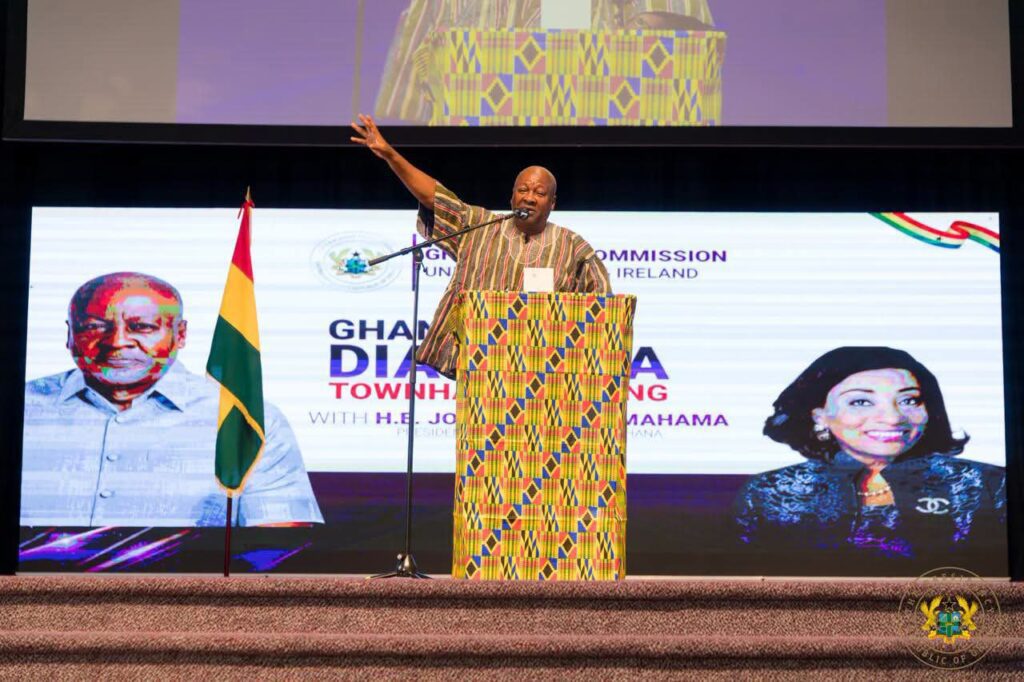
“Recognition alone cannot complete this journey. It must inspire action. Justice requires sustained commitment from all of us.”His Excellency John Dramani Mahama
At the centre of this discussion, the President drew attention to the unequal burden carried by women and girls during slavery. He noted that their suffering often remained absent from official records despite the depth of exploitation they endured.
His Excellency explained that enslaved women suffered violence that comprised of forced labour, reproductive exploitation and generational bondage. He stated that historical silence surrounding their experiences demands urgent correction.
In praising the women whose courage shaped resistance movements across generations, President Mahama referenced Nanny of the Maroons, Harriet Tubman and Sojourner Truth as enduring symbols of resilience and liberation.
Additionally, the President honoured contemporary women including scholars, activists, jurists and policymakers advancing the reparatory justice cause. He stated that many of these women continue to influence global advocacy and policy direction.
In a final appeal, His Excellency stressed that any framework for reparatory justice remains incomplete without recognising the distinct experiences of women. He urged participants to ensure truth telling, memorialisation and redress fully account for gendered historical injustice.