
Els: MBN360 Football
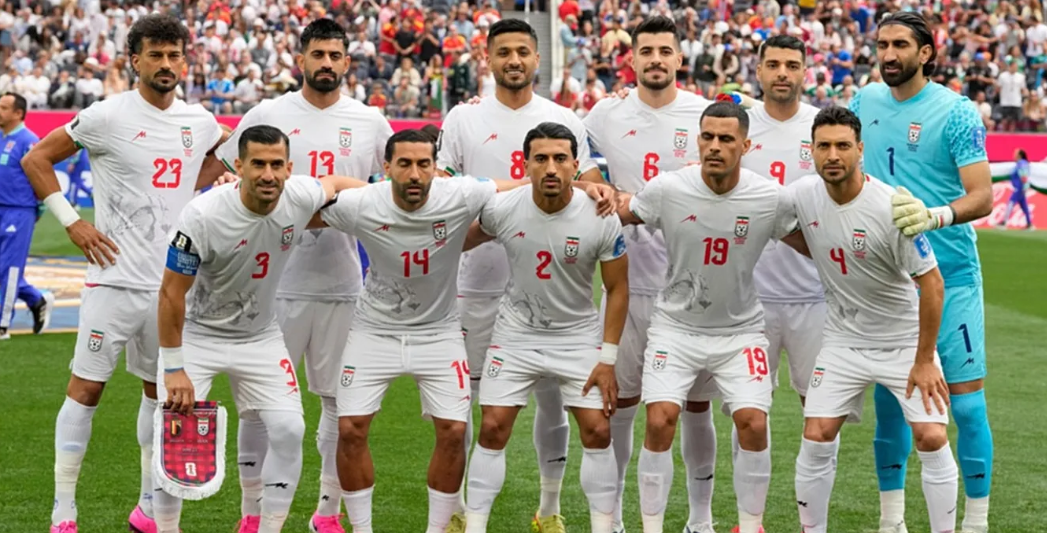
The United States Department of Homeland Security is easing travel restrictions for Iran’s national soccer team ahead of its final World Cup group-stage match against Egypt. The Iranian squad, which has been based in Tijuana, Mexico, will now be permitted to enter the United States two days before their game in Seattle. This change provides an additional day of preparation beyond the 24-hour arrival window imposed for their first two matches in Los Angeles.
Security protocols remain in place
Despite the schedule shift, officials maintain that the core security framework remains unchanged. A Department of Homeland Security spokesperson confirmed the adjustment while emphasizing continued oversight. “The overall security measures and protocol are the same,” the spokesperson stated. “We remain committed to providing the safest tournament possible for players, staff and fans alike.”
Read also:
- Asokwa-Santasi Road Project Will Be Completed, Government Assures
- Debt Servicing Costs Threaten Government Spending Power
- Sarkodie Delivers Electrifying Freestyle on BBC’s ‘This Is Africa’ with DJ Edu
- NHIA Launches Faith Drive to Boost Health Insurance Access Across Ghana
- Africa Roars into History: Nine Nations Keep the Continent’s World Cup Dream Alive
The team must still depart the United States immediately following the match. While the U.S. government has allowed more lead time for travel to Seattle due to the increased distance from the team’s base in Mexico, the policy of requiring an exit on the day of the game persists. Another official statement noted, “Ahead of the match in Seattle on June 26, the Iranian team will be allowed to come in match day minus two, so two days before the match. They’ll be asked to leave the day that the match wraps up, so the evening of the match.”
Tensions over competitive fairness
The decision follows weeks of frustration from the Iranian Football Federation, which had planned to lodge an official complaint with FIFA. Team leadership argued that the restrictive visa conditions created an uneven playing field. Iranian head coach Amir Ghalenoei was particularly vocal regarding these logistical hurdles. He described his squad as the “most oppressed” team at the tournament, claiming they were “robbed” of essential preparation time and were provided “less than half” the training window afforded to other nations.