ELS: MBN360 World
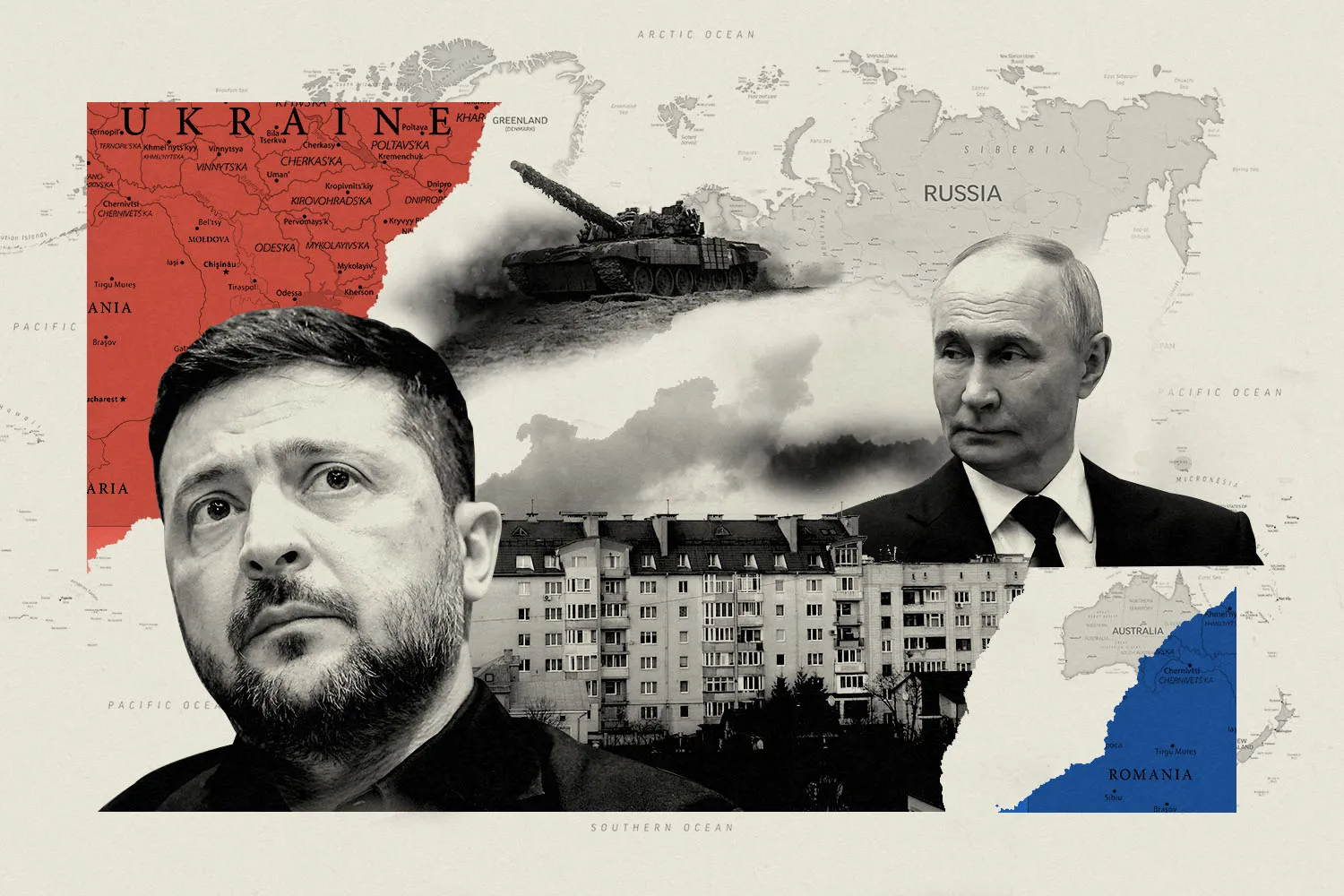
Expanding its long-range aerial campaign, Ukraine struck two major oil refineries deep inside Russian territory, an escalation confirmed by President Volodymyr Zelenskyy. The targets included the Bashneft-Novoil refinery in the Bashkortostan republic. This facility sits about 1,300 kilometers from the Ukrainian border. The Slavneft-Yanos refinery in the Yaroslavl region was also struck. That site lies almost 700 kilometers from the frontier.

The strikes aim to disrupt oil revenues that Moscow uses to finance its war. Yaroslavl regional governor Mikhail Evraev reported the incident. He called it the largest enemy drone attack of the conflict. Evraev noted that 93 drones were intercepted over the region. Falling debris hit storage tanks at the refinery. This triggered a major fire and injured four people.
Emergency services rushed to the scene. Visual verification confirmed multiple fires and heavy smoke plumes rising from the facility. Local authorities in Bashkortostan remained silent on the Bashneft-Novoil strike. Zelenskyy asserted that the operations are tactical necessities. “Russia must choose peace,” Zelenskyy said. He added that Ukrainian attacks were “strengthening chances for diplomacy.”
Maritime Operations Target Russian Shadow Fleet
The campaign extended far beyond land targets. Ukrainian forces struck naval assets in the Black Sea. President Zelenskyy stated that two military patrol boats were hit. Operations also targeted vessels belonging to the shadow fleet. Russia utilizes these clandestine tankers to export sanctioned oil and evade Western restrictions. Officials provided few tactical specifics regarding the naval engagements. The wider Black Sea theater remains volatile. Ports like Odesa continue to face sustained aerial and maritime threats.

Devastating Counterstrikes Leave Cities In Darkness
The strategic exchanges brought immense human cost across the border. Russian forces launched massive retaliatory bombardments. At least 11 people died in overnight attacks across multiple Ukrainian regions. In the Kharkiv region, three people were killed in Balakliia. Private residential homes bore the brunt of that strike. Another two people died in Lozova when drones struck a local train station.
Read also:
- Laboma: The land of beautiful Katanomics
- TOR, Upper East Minister Tackle Paga Fuel Bottlenecks
- Coach Ofori Asare’s boxing kits allegation is false – Charles Osei Assibey
- Lionel Messi’s father Jorge Messi dies at 68
- We’ll proceed with oath-taking for UK scholarship beneficiaries – Zita Benson
Further south, the entire city of Kherson plunged into a total blackout. A critical infrastructure facility took a direct hit overnight. In the Dnipropetrovsk region, five more civilians perished. The Russian military claimed it intercepted or shot down 605 Ukrainian drones overnight. Moscow maintained that its forces targeted fuel, energy, and transport facilities.
Air Defense Shortages Leave Civilians Exposed
Ukraine faces a severe deficit in defensive interceptors. The depletion leaves major population centers vulnerable to ballistic and drone threats. President Zelenskyy stressed the gravity of the situation. “We are working as hard as possible with all partners who can assist with the supply of interceptor missiles to protect against such insane Russian strikes targeting life, people, and civilian facilities,” Zelenskyy said on social media.
Zelenskyy spoke with NATO chief Mark Rutte and Finnish President Alexander Stubb. They discussed procuring emergency interceptors from international stockpiles. Rutte confirmed ongoing talks with allies to secure necessary air defense systems. The diplomatic scramble follows a devastating missile blitz in Kyiv. That attack killed 17 people and prompted national mourning.
United Nations data highlights the worsening humanitarian crisis. Civilian casualties rose significantly over the first six months of the year. Long-range aerial bombardments drove the increase. Western analysts note that Moscow relies on sheer attrition. President Vladimir Putin seemingly believes Western support will eventually fade. Yet, Kyiv continues to strike strategic assets to alter the calculus of the prolonged conflict.
The Search For A Diplomatic Horizon
As the conflict grinds through its multi-year attrition, the ultimate trajectory remains tethered to the sustainability of international alliances, domestic resilience on both sides, and the capacity of diplomatic channels to convert escalating economic pressures into viable frameworks for a negotiated settlement.