Els: MBN360 Health
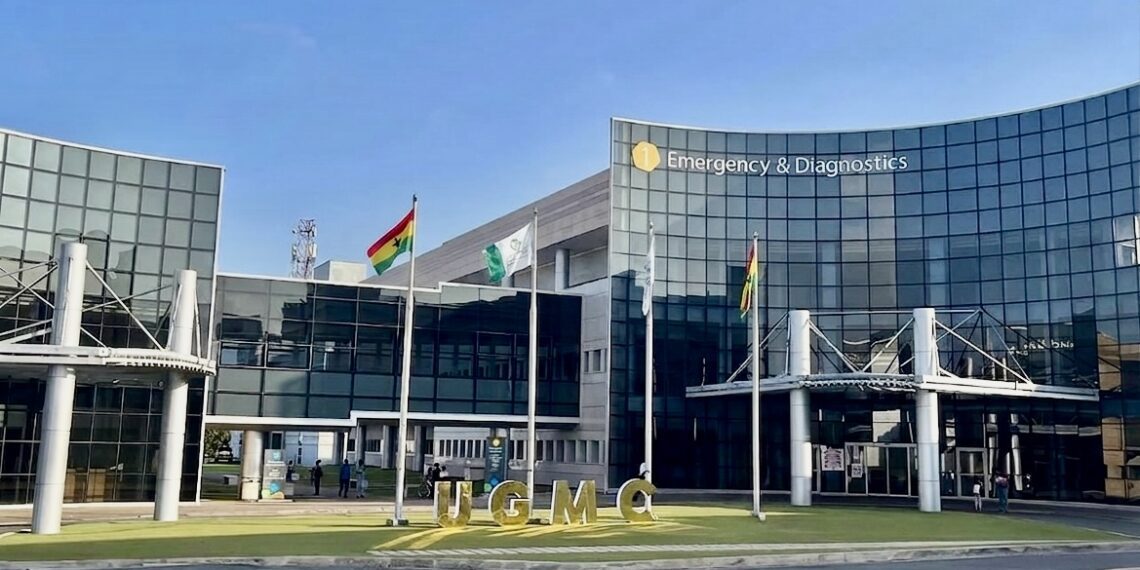
Medical specialists at the University of Ghana Medical Centre (UGMC) have raised urgent concerns about the state of hemophilia care in Ghana, warning that entrenched stigma, widespread misinformation, and limited access to diagnosis and treatment continue to endanger lives across the country. The call comes as the world marks another Haemophilia Day, with Ghana still grappling with some of the most fundamental challenges in identifying and supporting those affected by the condition.
Speaking at a symposium organised to commemorate the occasion, experts drew attention to what they described as a deeply neglected public health issue, calling for immediate and sustained collective action from individuals, communities, schools, and the broader healthcare system.
A Disease in the Shadows
Haemophilia is an inherited bleeding disorder caused by a deficiency in blood clotting factors, resulting in prolonged bleeding, easy bruising, and in severe cases, internal bleeding into joints and muscles. Though the condition is more prevalent in males, females can carry it and occasionally display symptoms , a fact that remains poorly understood among the general public.
Ghana’s response to the disease remains critically underprepared. It is estimated that over 3,000 people may currently be living with haemophilia in the country, yet only around 500 cases have ever been officially recorded ,a staggering diagnosis gap that specialists say reflects a broader systemic failure.
Dr Nana Agyeiwah Awuku, Senior Specialist Haematologist and Head of the Haematology/Oncology Department at UGMC, attributed this alarming gap to low public awareness, weak diagnostic capacity, and poor access to treatment centres.
“Many people do not even know the disease exists. Some attribute it to witchcraft or avoid medical care altogether.” Dr. Nana Agyeiwaa Awuku, Senior Specilaist haemotologist, UGMC
She added that the diagnostic process itself remains a major obstacle. “Confirmatory tests are often done outside the country, making diagnosis expensive and inaccessible,” she noted.
Dr Awuku also warned of the devastating consequences of inaction. “Delayed or untreated haemophilia can result in joint damage, disability, chronic pain, and disruptions in education due to frequent hospital visits,” she said, stressing that these outcomes are largely preventable with timely intervention.
Dr Awuku called for a coordinated national response built on awareness, training, infrastructure, and system-wide support. She urged government, healthcare institutions, and civil society to treat haemophilia not as a rare or obscure condition, but as a public health priority deserving of urgent and sustained attention.
Beyond the Physical: The Psychological Burden
Dr Ama Edwin, Senior Specialist in Bioethics and Palliative Care at UGMC, highlighted the often-overlooked psychological toll the condition places on patients and caregivers alike. She noted that many people still wrongly believe haemophilia is a supernatural condition, fuelling stigma and social isolation.“People are suffering, and beyond the physical challenges, there is a heavy psychological toll,” she said.
She drew particular attention to the struggles faced by children living with the condition nothing that children with haemophilia cannot always engage in normal activities like their peers, and this can create frustration and misunderstanding
Read also:
- Vice President Opoku Agyemang Addresses Ghanaian Diaspora In Spain
- Mahama says power outages are not “dumsor” but planned grid upgrades
- Pope Leo XIV Describes Angola as Beautiful Yet Wounded
- Ben Proudfoot calls for urgent digitisation of Ghana’s historic film archives
- Supreme Court must embrace technology to reduce delays – Nana Oye Bampoe Addo
Dr Edwin explained that while simple protective measures such as wearing helmets or padding during play could make a significant difference, children often struggle to understand why they must live differently from their peers.
She also spoke about the emotional strain placed on caregivers, particularly mothers, who are often unfairly blamed due to the genetic nature of the disease. “In many cases, women are accused or labelled negatively, which affects relationships and families,” she said.
She stressed the importance of collective responsibility in addressing the condition. “We need communities, schools, healthcare workers, and families to work together,” she said, adding that support need not be complicated.
“Support can be emotional, social, or practical such as giving caregivers a break. These small actions make a big difference.”Dr Ama Edwin, Senior Specialist in Bioethics and Palliative Care, UGMC
Affected families were also encouraged to take proactive steps including seeking early medical care, speaking openly about their challenges, and utilising available psychological, social support services within hospitals.
Treatment Exists, But Barriers Remain
Dr Thelma Yawa Okudzeto, a Medical Officer at the symposium, explained that diagnosis involves clotting tests and factor assays to determine whether a patient has Haemophilia A or B, as well as the severity of the condition.
“Diagnosis is the first step to care, once identified, treatment is available through replacement of the missing clotting factors, enabling patients to live normal and productive lives.”Dr Thelma Yawa Okudzeto, Medical Officer
Despite this, Ghana continues to face a significant diagnosis gap. While clotting factor treatments are provided free through partnerships with international organisations and the Ghana Haemophilia Society, patients still incur costs related to hospital services and travel barriers that deter many families from seeking timely care.
She reiterated the urgent need for systemic change.
“We need to end stigma, reduce treatment costs, and strengthen structures, awareness, training, and healthcare systems to effectively address hemophilia.” Dr Thelma Yawa Okudzeto, Medical Officer
This year’s World Haemophilia Day was held under the theme “Diagnosis: First Step to Care,” reflecting the sobering global reality that more than 75 per cent of people living with haemophilia worldwide remain undiagnosed. In Ghana, experts believe that figure is even higher.